

Spring vegetables don’t ask for much. They’re tender, colorful, and full of natural flavor. All they really want is a little care and the right herbs to shine. When cooked simply and finished with fresh herbs, spring veggies can turn everyday meals into something that feels light, comforting, and seasonal.
If you’ve ever wondered how to cook spring vegetables so they taste fresh instead of flat, this guide will walk you through it step by step.
Choose the Right Spring Vegetables
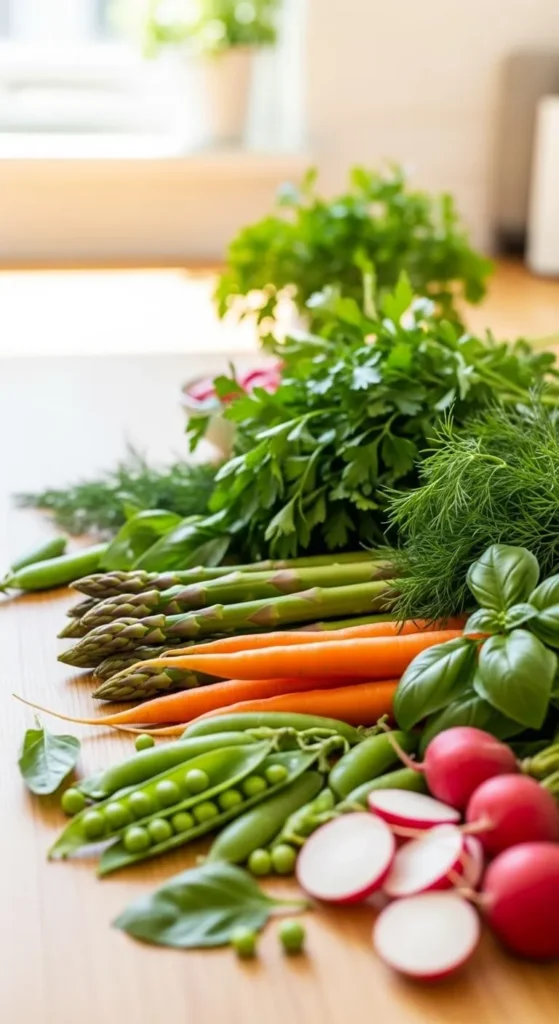
Great herb-forward dishes start with vegetables that are actually in season. Spring vegetables are naturally sweeter and cook faster, which makes them perfect for quick meals.
Some of the best options include:
- Asparagus
- Snap peas and snow peas
- Baby carrots
- Radishes
- Spinach and baby kale
- Zucchini
- Broccoli
- Spring onions
Look for vegetables that feel firm and look bright. If the color looks dull, the flavor often follows.
Tip: Smaller vegetables are usually more tender and pair better with delicate herbs.
Understand Which Herbs Work Best
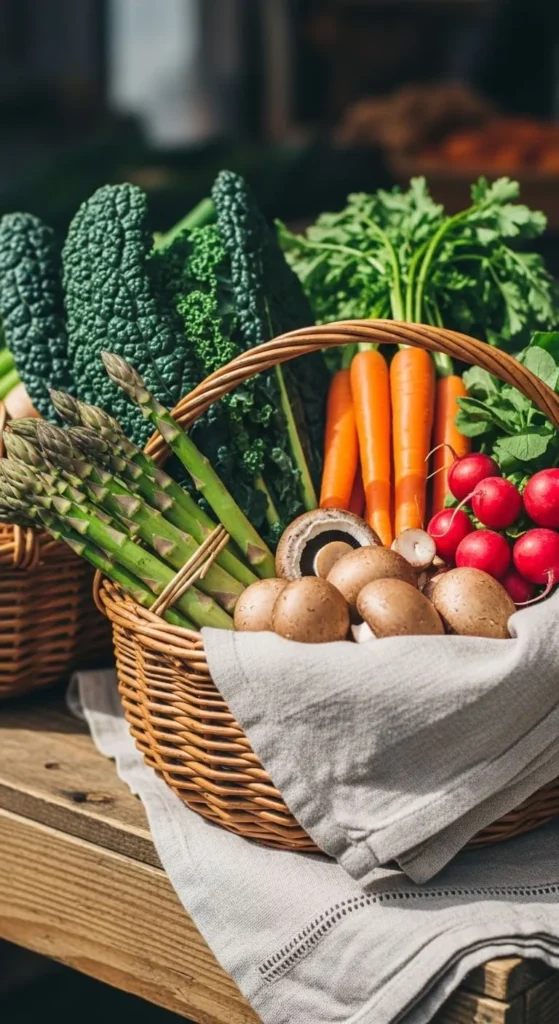
Not all herbs behave the same way. Some are soft and leafy, others are sturdy and aromatic. Knowing when to add them makes a big difference.
Soft herbs (add at the end):
- Parsley
- Basil
- Dill
- Chives
- Mint
Sturdy herbs (can handle heat):
- Thyme
- Rosemary
- Sage
Soft herbs keep their color and freshness when added after cooking. Sturdy herbs work well during roasting or sautéing.
Use Simple Cooking Methods
Spring vegetables taste best when they aren’t overcooked. Short cooking times help keep their color and texture intact.
Roasting
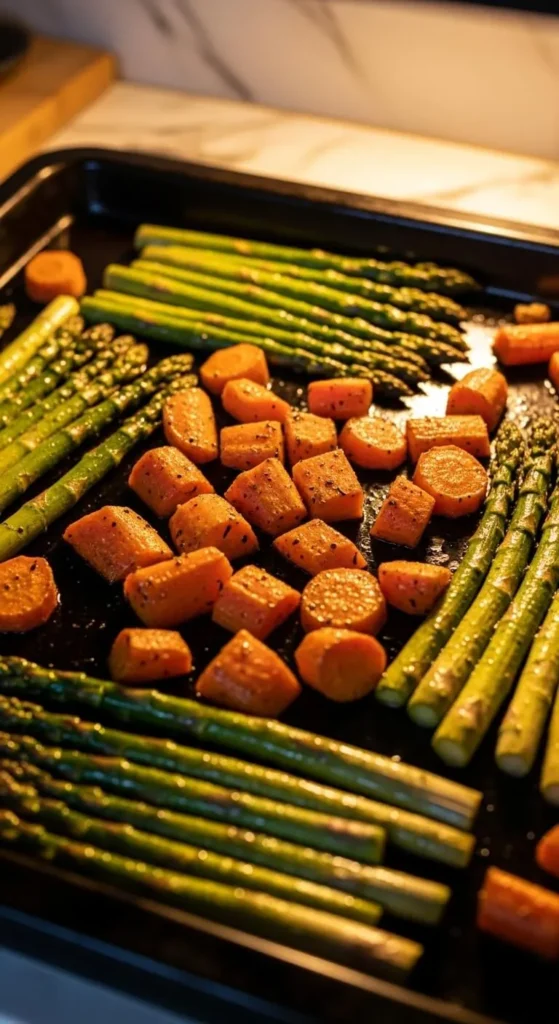
Roasting brings out natural sweetness and gives vegetables lightly crisp edges.
- Toss vegetables with olive oil and salt
- Roast at 220°C
- Cook until just tender
Add chopped herbs right after they come out of the oven.
Sautéing
Sautéing is fast and keeps vegetables bright.
- Use medium-high heat
- Cook in a wide pan
- Stir often
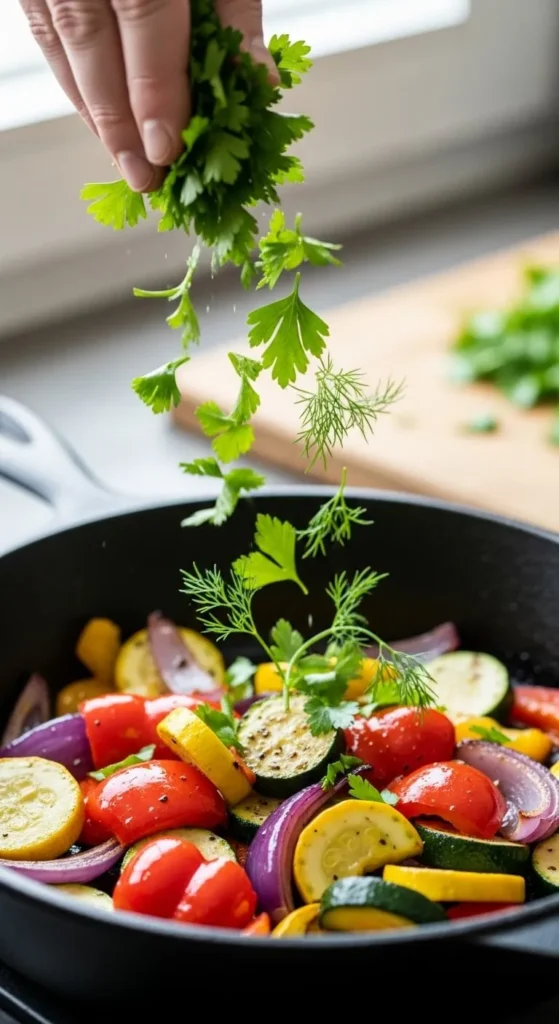
Finish with fresh herbs and a squeeze of lemon.
Steaming or Blanching
These methods keep vegetables vivid and mild.
- Steam briefly until just tender
- Or blanch in salted water, then drain
Toss with butter, olive oil, and herbs before serving.
Add Herbs at the Right Moment
Timing matters more than quantity. Adding herbs too early can dull their flavor and color.
A simple rule:
- Sturdy herbs: during cooking
- Soft herbs: after cooking
For example:
- Roast carrots with thyme, then finish with parsley
- Sauté zucchini, then add basil at the end
- Steam peas, then toss with mint and butter
Quick tip: Tear herbs by hand instead of chopping for a more natural look and aroma.
Balance Flavors Without Heavy Sauces
Fresh herbs work best when flavors stay clean and simple. Heavy sauces can hide both the vegetables and the herbs.
Stick to:
- Olive oil or butter
- Lemon juice or zest
- Garlic
- Black pepper
- Light cheeses like parmesan or feta
Easy flavor ideas:
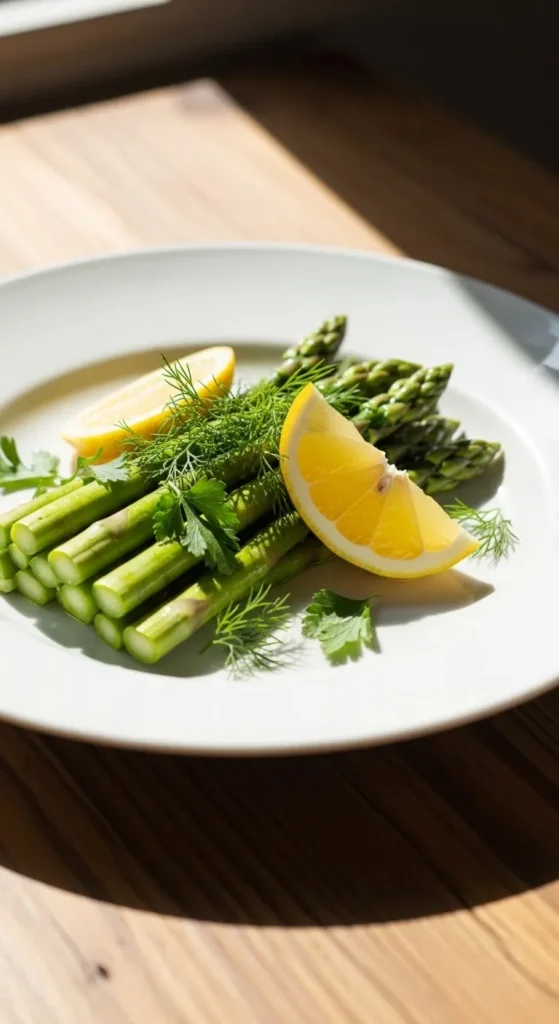
- Asparagus + lemon + dill
- Carrots + honey + thyme
- Spinach + garlic + parsley
- Peas + butter + mint
These combinations let the vegetables stay front and center.
Build Easy Herb-Focused Dishes
You don’t need complicated recipes to cook spring vegetables well. A simple structure works every time.
Try this:
- Pick one vegetable
- Choose one herb
- Cook the vegetable simply
- Finish with the herb, oil, and acid
Examples:
- Roasted broccoli with olive oil and chives
- Sautéed zucchini with basil and lemon
- Steamed carrots with butter and parsley
Store and Prep Herbs the Smart Way
Fresh herbs last longer with a little care.
- Wrap herbs in a damp paper towel
- Store in the fridge in a loose bag
- Wash and dry just before using
For busy days, chop herbs in advance and store them in small containers.
Final Takeaway
Cooking spring vegetables with fresh herbs doesn’t require fancy tools or long recipes. It’s about good timing, simple methods, and letting fresh ingredients speak for themselves. Once you get the hang of pairing vegetables with the right herbs, spring cooking becomes effortless and enjoyable.
Save this guide for later, pin it to your seasonal cooking board, and start making the most of fresh spring produce 🌿
Hannah Collins is a passionate home cook and food storyteller who believes every recipe tells a little love story. At TastyWriter, she shares simple, delicious recipes made for real kitchens and busy days — from cozy comfort dishes to creative new favorites. When she’s not cooking, you’ll find her photographing food, testing family recipes, or sipping tea while dreaming up her next tasty idea.
Leave a Reply