

Spring vegetables are delicate, sweet, and bursting with fresh flavor—so why blast them in a hot oven until they’re browned and shriveled? If you’ve ever felt like roasting steals the magic from asparagus, peas, or tender greens, you’re not wrong. There are gentler, faster, and more vibrant ways to cook spring veggies that let their natural taste shine.
Let’s walk through easy, no-roast methods that keep spring vegetables crisp, colorful, and exciting—without turning on the oven.
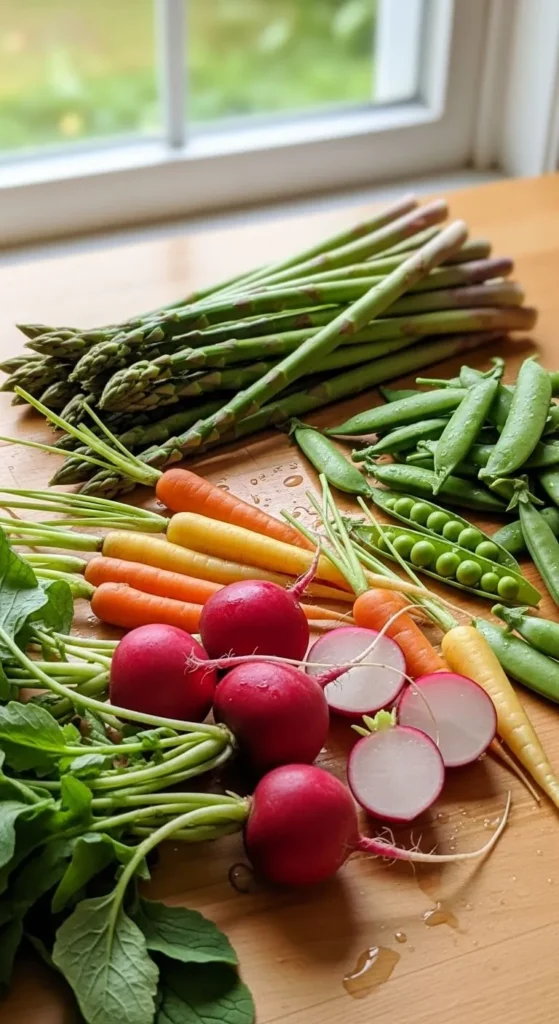
Why Skip Roasting Spring Vegetables?
Roasting is great for hearty fall produce, but spring vegetables play by different rules.
Most spring veggies are:
- High in water
- Naturally tender
- Mildly sweet or grassy
Long, dry heat can:
- Dull their color
- Make them limp instead of crisp
- Mask their fresh flavor with caramelization
Instead, quicker cooking methods preserve what makes spring produce special: brightness, snap, and freshness.
Blanching: The Secret to Bright Color and Clean Flavor
Blanching sounds fancy, but it’s one of the simplest techniques out there—and perfect for spring.
Best vegetables for blanching:
- Asparagus
- Green beans
- Snap peas
- Fava beans
- Broccoli rabe
How to blanch perfectly:
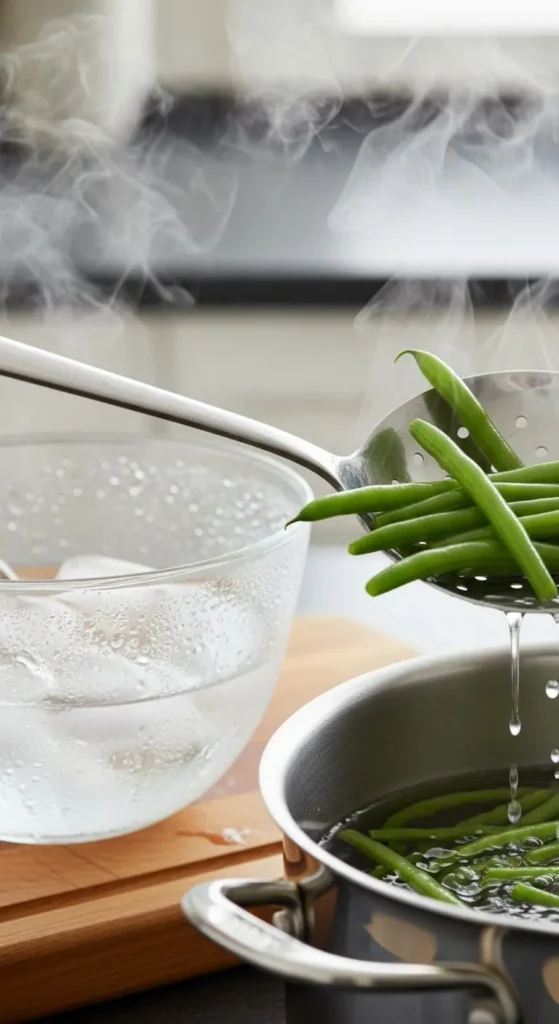
- Bring a large pot of heavily salted water to a boil
- Add vegetables and cook briefly (30 seconds to 2 minutes)
- Transfer immediately to ice water to stop cooking
- Drain well and pat dry
Why it works:
- Locks in vibrant green color
- Softens texture without overcooking
- Creates a blank canvas for sauces, herbs, or olive oil
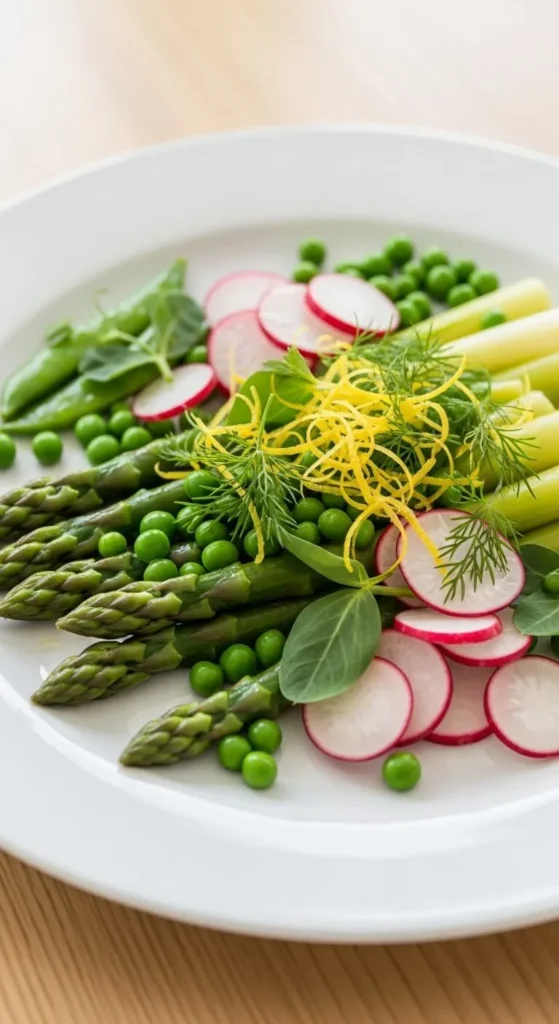
Finish blanched veggies with lemon zest, flaky salt, or a drizzle of good olive oil for an effortless side dish.
Sautéing: Fast, Flavorful, and Flexible
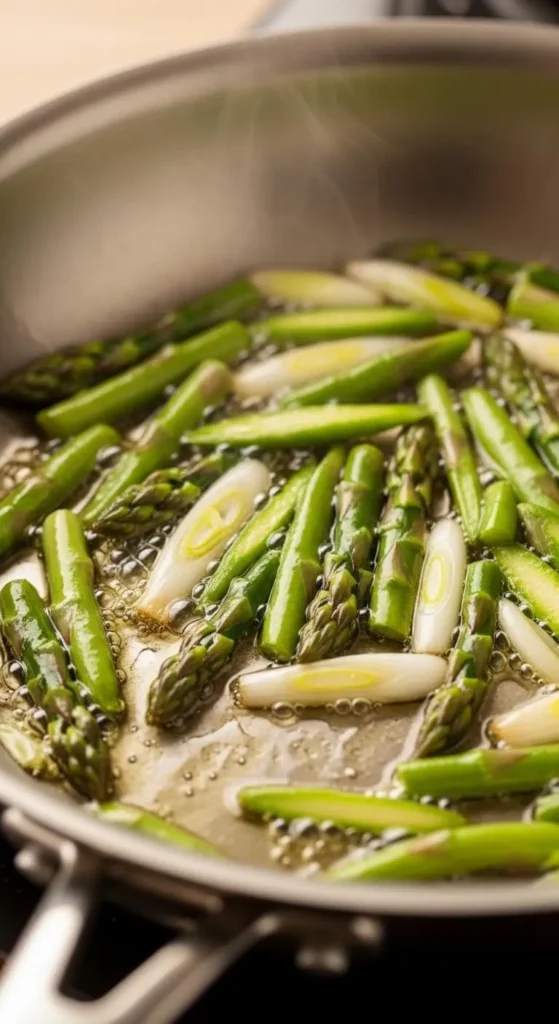
Sautéing is ideal when you want a little depth without overpowering freshness.
Best vegetables for sautéing:
- Asparagus
- Spring onions
- Zucchini
- Mushrooms
- Radishes (yes, radishes!)
Tips for great sautéed veggies:
- Use a wide pan so vegetables don’t steam
- Keep heat medium-high
- Don’t overcrowd the pan
- Add salt toward the end to avoid sogginess
Flavor boosters to try:
- Garlic added in the last 30 seconds
- A splash of white wine or broth
- Fresh herbs like dill, chives, or tarragon
This method gives you lightly golden edges while keeping the inside tender and fresh.
Steaming: Gentle and Underrated
Steaming often gets a bad rap, but done right, it’s one of the best ways to respect spring produce.
Great candidates for steaming:
- Baby carrots
- Artichokes
- New potatoes
- Broccoli
How to avoid bland steamed vegetables:
- Salt the vegetables after steaming, not before
- Finish with fat: butter, olive oil, or sesame oil
- Add acid: lemon juice or vinegar
A quick steam followed by a flavorful finish keeps vegetables juicy and clean-tasting—never watery or dull.
Braising: When You Want Tender and Luxurious
Braising isn’t just for meat. It’s incredible for spring vegetables that benefit from a little softness.
Vegetables that love braising:
- Leeks
- Fennel
- Spring cabbage
- Baby turnips
Simple braising method:
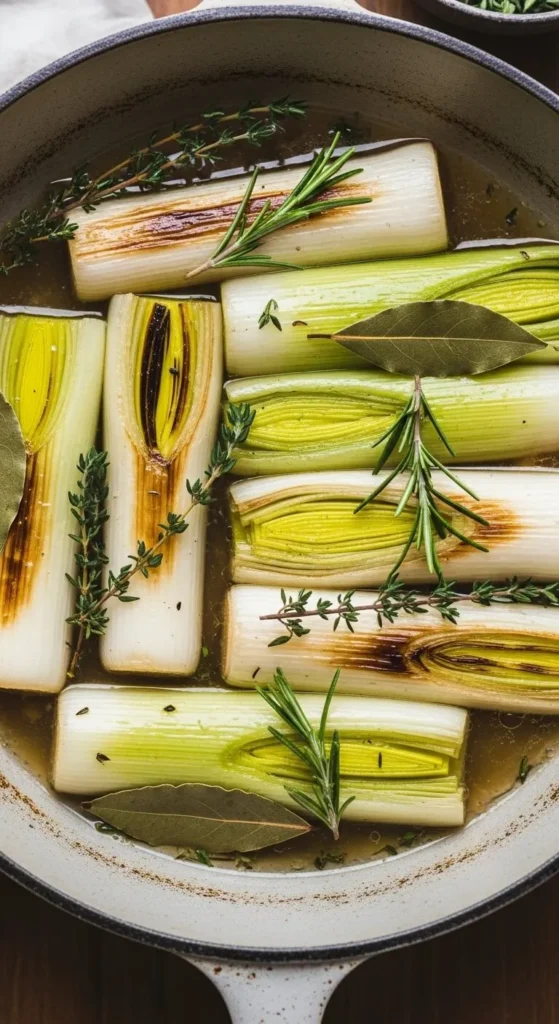
- Sauté vegetables lightly in olive oil or butter
- Add a small amount of liquid (broth, wine, or water)
- Cover and cook gently until tender
Braising creates silky textures and subtle flavor layers—perfect for elegant spring meals.
Serving Ideas That Keep Things Fresh
Once your vegetables are cooked, keep the flavors light and seasonal.
Try topping with:
- Fresh herbs
- Soft cheeses like ricotta or goat cheese
- Toasted nuts or seeds
- Citrus zest
These finishing touches elevate simple techniques into Pinterest-worthy dishes.
Final Takeaway
Spring vegetables don’t need roasting to be delicious. With quick, gentle methods like blanching, sautéing, steaming, and braising, you’ll get brighter colors, fresher flavors, and better texture every time.
Save this guide for later, grab what’s in season, and let spring vegetables be spring vegetables 🌱
Hannah Collins is a passionate home cook and food storyteller who believes every recipe tells a little love story. At TastyWriter, she shares simple, delicious recipes made for real kitchens and busy days — from cozy comfort dishes to creative new favorites. When she’s not cooking, you’ll find her photographing food, testing family recipes, or sipping tea while dreaming up her next tasty idea.
Leave a Reply