

Winter vegetables are some of the most underrated stars of cold-weather cooking. When cooked the right way, they become sweet, tender, caramelized, and absolutely comforting. Think golden roasted squash, buttery carrots, and melt-in-your-mouth Brussels sprouts—all packed with deep winter flavor. With simple techniques and everyday ingredients, you can turn basic winter produce into dishes that feel warm, cozy, and incredibly satisfying.
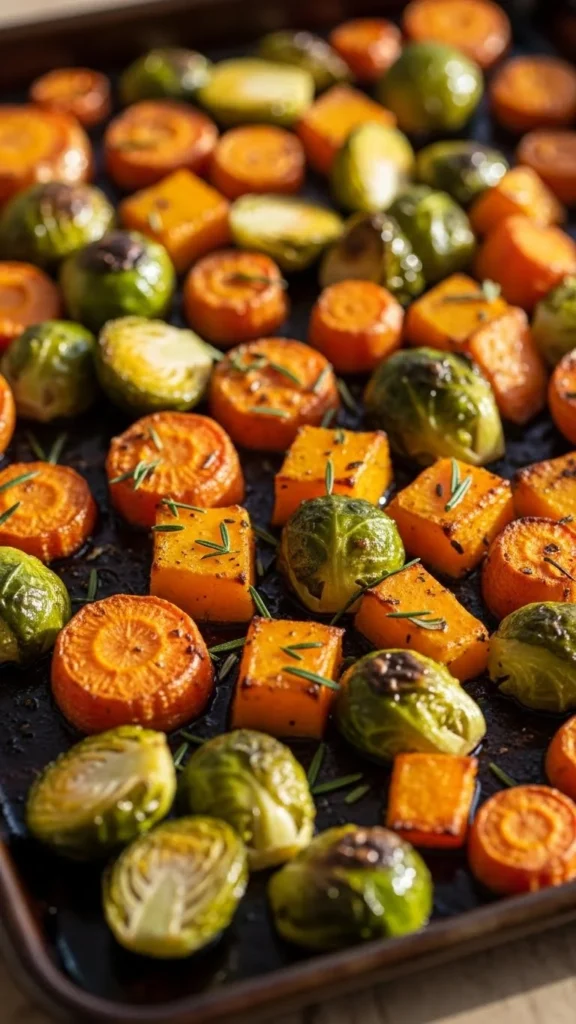
If you’re ready to make vegetables taste sweeter and more delicious than ever, here’s how to bring out their best flavors all winter long.
Choose Winter Vegetables That Naturally Sweeten When Cooked
Some vegetables become sweeter and richer when exposed to heat. Winter produce is perfect for this because cold weather naturally intensifies their sugars.
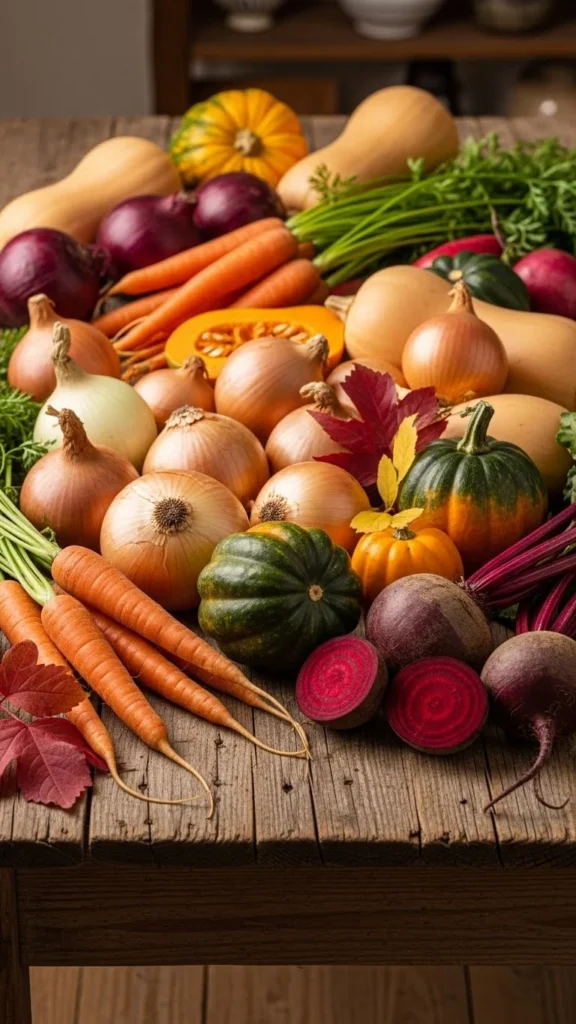
The best winter vegetables to cook for sweetness:
- Carrots
- Sweet potatoes
- Butternut squash
- Acorn squash
- Brussels sprouts
- Beets
- Parsnips
- Onions
- Turnips
These veggies soften beautifully and develop caramelized edges when exposed to heat.
Roast Your Vegetables for the Deepest Flavor
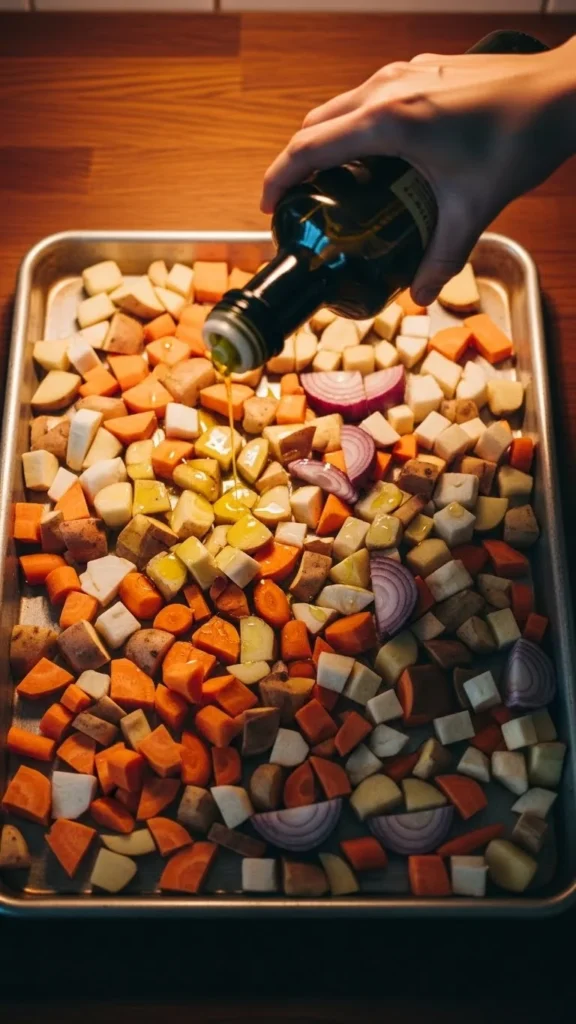
Roasting is the easiest and most effective way to pull out sweetness and give winter vegetables a cozy, caramelized finish. The dry heat transforms their texture and intensifies their natural sugars.
How to roast winter vegetables:
- Cut vegetables into even pieces.
- Toss with olive oil, salt, and pepper.
- Spread evenly on a baking sheet—no overlapping.
- Roast at 400°F (200°C) for 25–45 minutes depending on size.
- Flip halfway for even browning.
Seasoning ideas:
- Garlic powder and rosemary
- Thyme and paprika
- Maple syrup for added sweetness
- Cinnamon for warm, cozy flavor
This technique creates a sweet, golden finish that feels comforting and satisfying.
Sauté for Quick, Flavorful Results
If you want fast winter vegetable dishes with great flavor, sautéing is your best friend. A hot pan plus a little oil gives vegetables a lovely browned surface and tender bite.
Great vegetables for sautéing:
- Brussels sprouts
- Carrots
- Mushrooms
- Onions
- Kale
- Cabbage
Steps:
- Heat oil or butter in a skillet.
- Add vegetables in a single layer.
- Cook until browned, then season.
- Add a splash of broth to soften vegetables if needed.
Flavour boosters:
- A touch of honey
- Balsamic vinegar
- Fresh herbs
- Lemon zest
These simple additions brighten and sweeten the dish instantly.
Steam for Soft, Gentle Sweetness
Steaming keeps vegetables tender and naturally sweet without any added fat. It’s perfect when you want lighter, softer dishes.
Vegetables that steam beautifully:
- Carrots
- Broccoli
- Cauliflower
- Beets
- Green beans
Tip: Add herbs to the steaming water—like thyme or dill—for subtle flavour.
Finish with:
- Butter
- Olive oil
- Sea salt
- Fresh lemon juice
The result is a naturally sweet, delicate vegetable dish that pairs well with any winter meal.
Use Glazes to Add Sweet, Cozy Warmth
A glaze can turn simple winter vegetables into something special. The warmth of maple, honey, or balsamic vinegar enhances natural sweetness and gives the vegetables a shiny, delicious finish.
Try these cozy glaze ideas:
- Maple + cinnamon for carrots and squash
- Honey + mustard for Brussels sprouts
- Balsamic + rosemary for beets
- Brown butter + sage for sweet potatoes

Just drizzle your glaze during the last 10–15 minutes of roasting, and let the oven do the rest.
Mix and Match for Warm Winter Bowls
Once you’ve mastered cooking winter vegetables, you can combine them into hearty bowls that feel both cozy and nourishing.
Great pairings include:
- Roasted vegetables + quinoa + tahini drizzle
- Sautéed Brussels sprouts + rice + lemon-garlic sauce
- Maple-glazed carrots + chicken + brown rice
- Roasted beets + goat cheese + walnuts
- Sweet potatoes + black beans + avocado
These bowls are balanced, comforting, and perfect for chilly days.
Final Takeaway
Winter vegetables are full of natural sweetness and warmth just waiting to be unlocked. With roasting, sautéing, steaming, or glazing, you can turn everyday produce into cozy dishes that make your kitchen smell amazing and your meals feel comforting.

Hannah Collins is a passionate home cook and food storyteller who believes every recipe tells a little love story. At TastyWriter, she shares simple, delicious recipes made for real kitchens and busy days — from cozy comfort dishes to creative new favorites. When she’s not cooking, you’ll find her photographing food, testing family recipes, or sipping tea while dreaming up her next tasty idea.
Leave a Reply