

Fresh spring herbs can turn the simplest meal into something special. A handful of parsley can wake up roasted vegetables. Dill can change a plain potato dish. Basil can make pasta taste complete with almost no effort. Yet many home cooks buy fresh herbs with good intentions, then watch them wilt in the fridge or overpower a dish. Cooking with spring herbs is less about rules and more about timing, balance, and confidence.
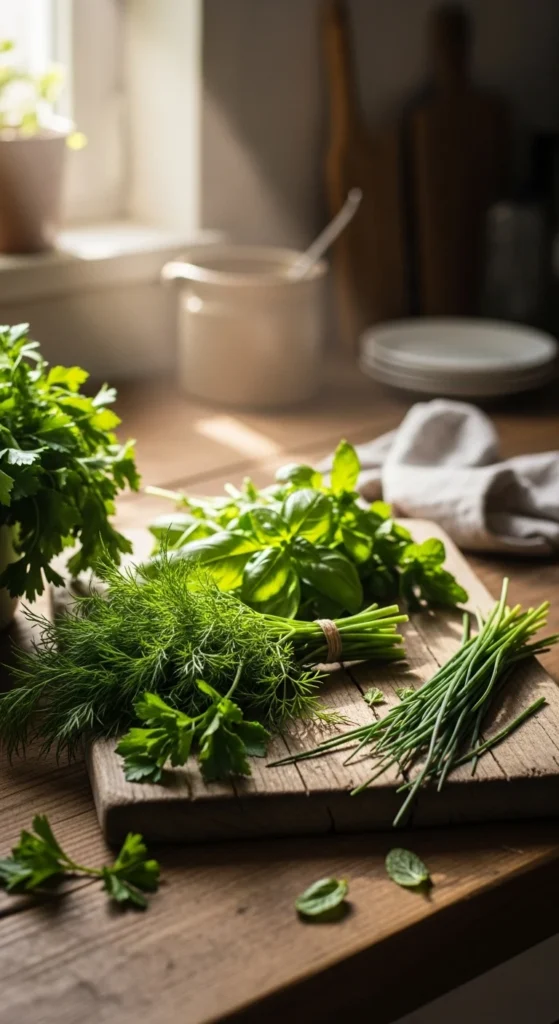
This guide will show you how to use fresh spring herbs the right way, so they add flavour instead of confusion.
Know Your Spring Herbs and What They Like
Not all herbs behave the same. Treating them the same is where many dishes go wrong.
Soft herbs are the stars of spring:
- Parsley
- Dill
- Basil
- Mint
- Chives
- Cilantro
These herbs:
- Have tender leaves
- Lose flavour with long cooking
- Work best added at the end
Woody herbs like rosemary or thyme are different, but spring cooking leans heavily on soft herbs. Keep that in mind when planning meals.
A simple rule:
- If the stem bends easily, add it late
- If it snaps, it can handle heat
Store Herbs Properly So They Last Longer
Fresh herbs are delicate, but a little care keeps them usable all week.
For leafy herbs like parsley, cilantro, and basil:
- Trim the ends
- Place in a jar with a little water
- Cover loosely with a bag
- Store in the fridge (basil stays better at room temperature)
For delicate herbs like dill and chives:
- Wrap gently in a damp paper towel
- Place in a container or bag
- Store in the fridge
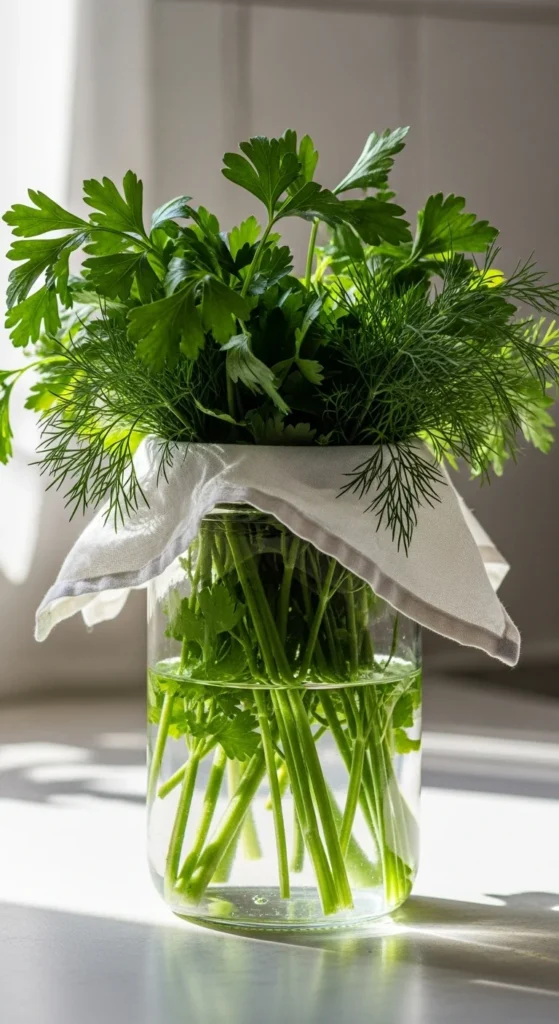
Good storage means you actually use the herbs instead of throwing them away.
Wash and Prep Herbs the Right Way
Herbs often carry grit, especially near the stems.
How to clean them properly:
- Fill a bowl with cold water
- Submerge herbs and gently swish
- Lift them out, leaving dirt behind
- Dry well with a towel or spinner
Wet herbs dilute flavour and make chopping messy.
How to prep:
- Remove thick stems
- Keep leaves whole until just before use
- Chop only what you need
Avoid chopping herbs too early. Freshly cut herbs taste brighter and smell better.
Timing Is Everything When Cooking With Herbs
This is where “pro” results happen.
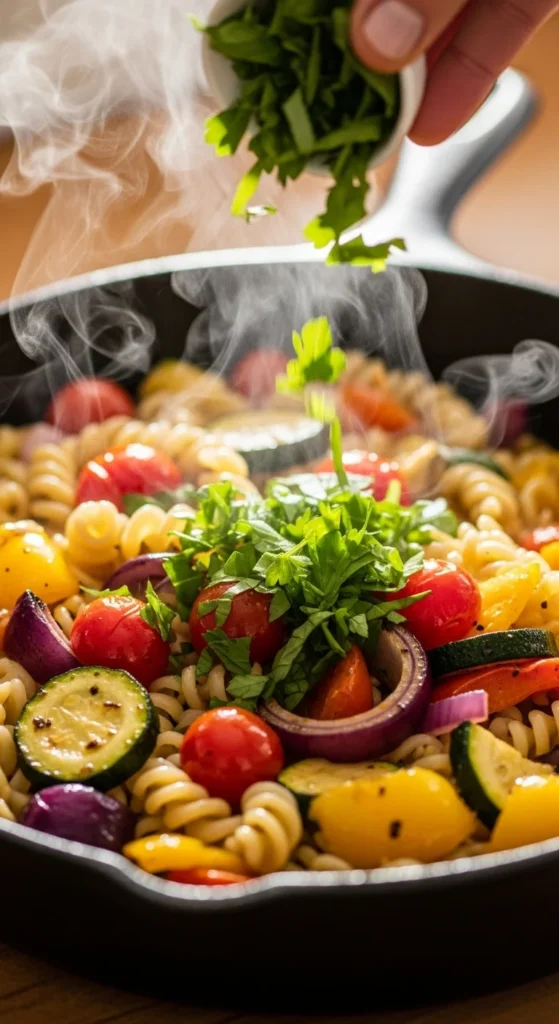
Soft spring herbs should almost always go in at the end of cooking. Heat dulls their flavour fast.
Add herbs:
- After turning off the heat
- Just before serving
- Or directly onto the plate
Exceptions:
- Stems of parsley or cilantro can be cooked gently
- Herbs used in oil or butter infusions can go in earlier
But for most spring dishes, late addition keeps flavours clean and lively.
Use Herbs to Balance, Not Overpower
Fresh herbs should support a dish, not take over.
If something tastes flat:
- Add herbs
- Add salt
- Add acid
If something tastes sharp or grassy:
- Use less herb
- Pair with fat or lemon
Good herb pairings:
- Parsley + lemon + olive oil
- Dill + yogurt + cucumber
- Basil + tomato + garlic
- Mint + peas + lemon
- Chives + eggs + butter
Start small. You can always add more.
Chop Smart for Better Texture and Taste
How you cut herbs affects how they taste.
Best practices:
- Use a sharp knife
- Avoid crushing herbs
- Slice gently instead of pounding
For most dishes:
- Rough chop for salads and bowls
- Fine chop for sauces and dressings
- Leave small leaves whole for garnish
Torn herbs often taste better than heavily chopped ones, especially basil and mint.
Simple Ways to Use Spring Herbs Every Day
You don’t need complex recipes to use herbs well.
Easy upgrades:
- Toss herbs into salads
- Stir into cooked grains
- Sprinkle over roasted vegetables
- Mix into yogurt or plant yogurt
- Finish soups right before serving
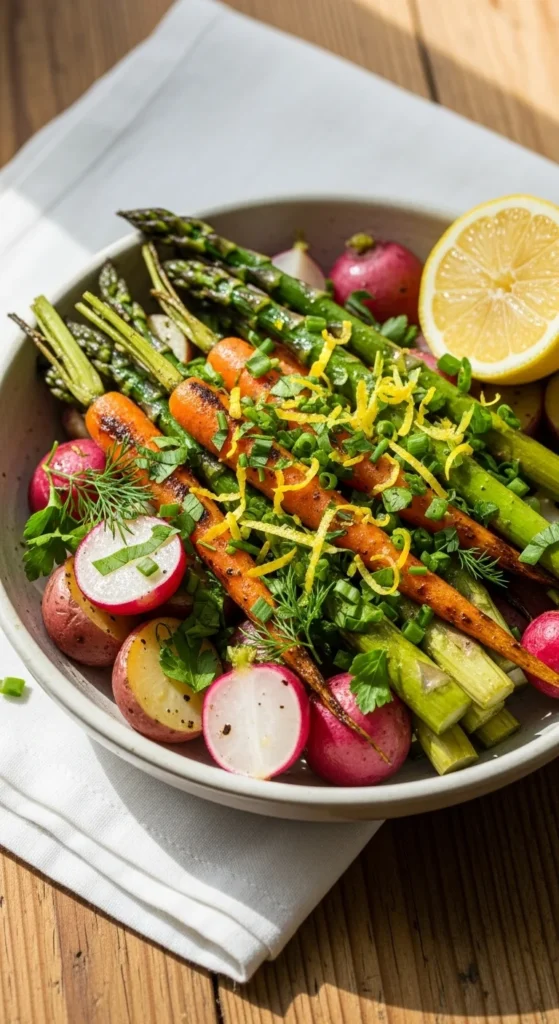
Quick herb sauces anyone can make:
- Parsley + oil + lemon
- Yogurt + dill + salt
- Basil + oil + garlic
These take minutes and instantly lift simple meals.
Common Mistakes to Avoid
Even good ingredients can disappoint if handled poorly.
Avoid:
- Adding herbs too early
- Using dull knives
- Chopping herbs too far ahead
- Forgetting salt and acid
- Mixing too many herbs at once
One or two herbs per dish usually works best.
Build Confidence by Using Herbs Often
The best way to get better with herbs is repetition.
Try this habit:
- Pick one herb for the week
- Use it in three different meals
- Notice what it pairs with
Soon, adding herbs will feel natural instead of stressful.
Final Takeaway
Cooking with fresh spring herbs does not require fancy techniques or expensive tools. It comes down to timing, balance, and restraint. Add herbs late, store them well, and let them support the dish instead of leading it. With these simple habits, your spring cooking will feel more confident and flavourful.
Save this guide for later, and reach for those herbs with purpose next time you cook.

Hannah Collins is a passionate home cook and food storyteller who believes every recipe tells a little love story. At TastyWriter, she shares simple, delicious recipes made for real kitchens and busy days — from cozy comfort dishes to creative new favorites. When she’s not cooking, you’ll find her photographing food, testing family recipes, or sipping tea while dreaming up her next tasty idea.
Leave a Reply