

Winter is the season of big pots simmering on the stove, warm comfort food, and dishes that make your whole home smell incredible. The only challenge? Some nights you’re too tired to cook from scratch. That’s why freezing winter meals is a total lifesaver—giving you homemade comfort without any effort.
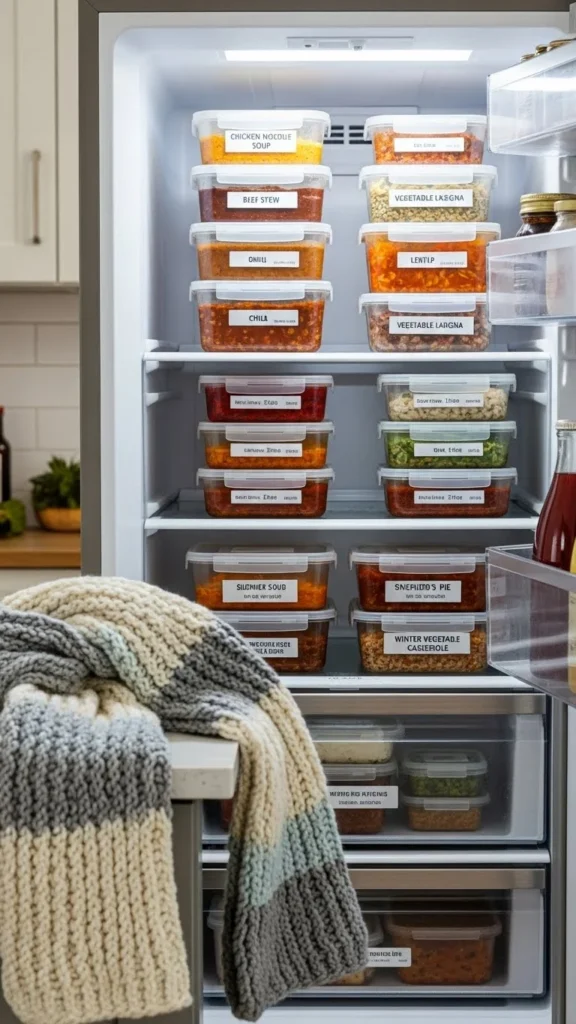
This guide shows you exactly what freezes well, how to store meals the right way, and how to reheat them so they taste just as fresh as the day you cooked them.
Start with Winter Meals That Freeze Beautifully
Some foods get even better after freezing because the flavours deepen over time. Others don’t hold up well, so choosing the right recipes makes a huge difference.
Best winter meals to freeze:
- Soups (especially brothy or creamy without dairy)
- Stews and chili
- Bolognese and meat sauces
- Casseroles
- Mashed cauliflower or mashed potatoes
- Lasagna, baked pasta dishes, or veggie bakes
- Slow-cooked meats
- Curries
These dishes maintain their structure, flavour, and moisture when frozen and reheated.

Choose the Right Containers for Long-Lasting Freshness
Good storage is the secret to meals that reheat like they’re fresh out of the pot. Poor storage leads to freezer burn or flavour loss.
Storage options that work best:
- BPA-free plastic containers
- Glass containers with airtight lids
- Freezer bags for space-saving storage
- Foil pans for casseroles or lasagna
Just remember to leave a little room at the top of containers—liquid expands when frozen.
Label everything
Nothing is more confusing than mystery meals buried in the freezer.
Label with:
- Name of the dish
- Date frozen
- Reheating instructions
It keeps things organised and easy to grab on busy nights.
Cool and Portion Your Meals Before Freezing
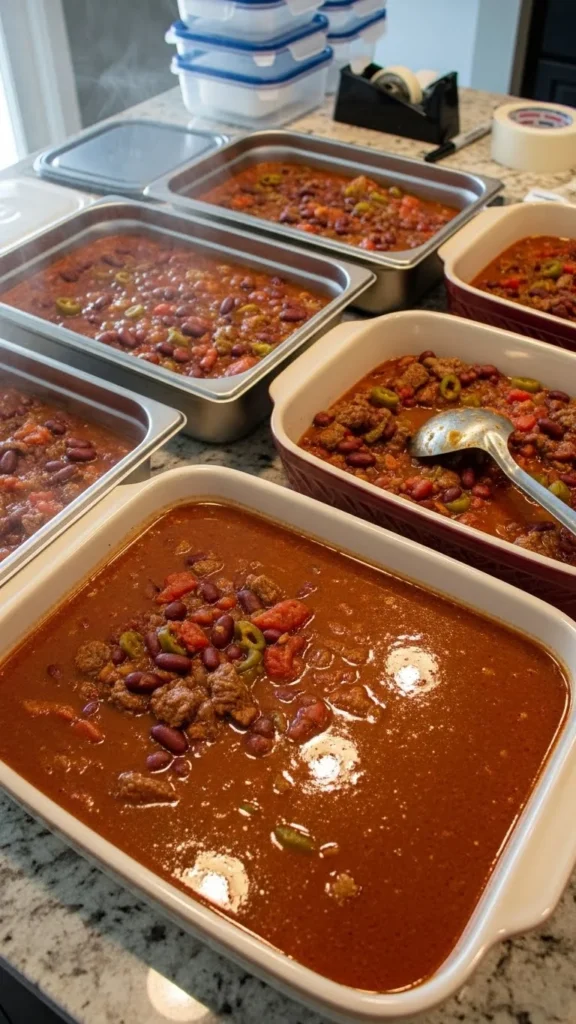
One of the biggest mistakes people make is freezing food while it’s still warm. That traps steam, causing freezer burn and texture changes.
Follow this freeze-friendly process:
- Let your meals cool completely.
- Portion them into single servings or family-size quantities.
- Seal tightly and remove excess air where possible.
- Freeze in flat layers if using bags—this saves space and helps thawing.
Doing this ensures better texture and faster reheating later.
Know What Doesn’t Freeze Well
Some ingredients simply don’t survive the freezer gracefully. Avoid these to keep your reheated meals tasting perfect.
Foods that don’t freeze well:
- Raw potatoes (become grainy)
- High-water vegetables like cucumbers or lettuce
- Soft cheeses
- Cooked eggs (except baked dishes)
- Cream-heavy soups before freezing
If you want creamy soups, freeze them without dairy and add the cream when reheating.
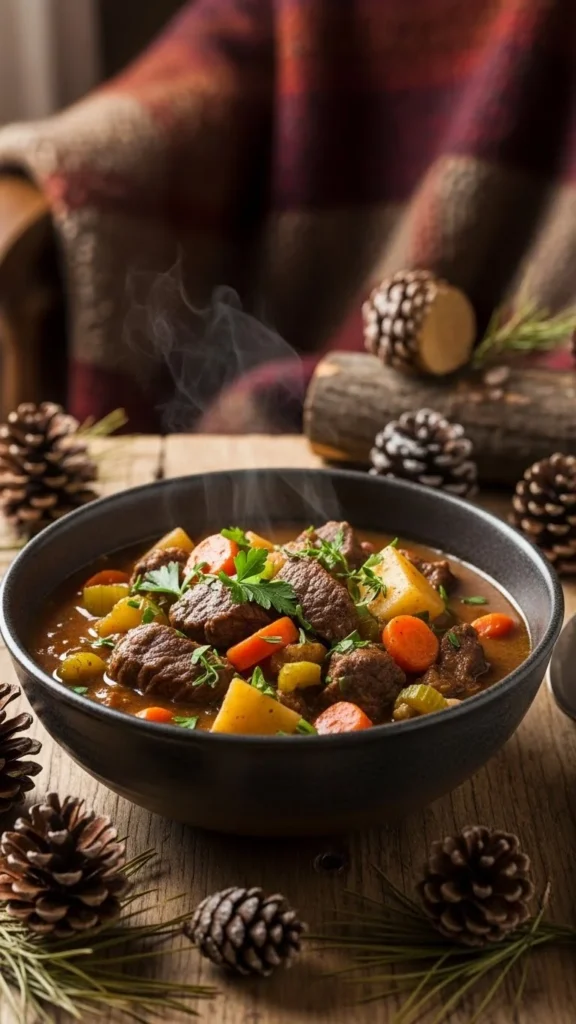
Try This Freezer-Friendly Winter Recipe: Slow Cooked Beef & Veggie Stew
This is the perfect example of a freezer-safe winter meal. It reheats beautifully, keeps its texture, and tastes even richer after freezing.
Ingredients:
- Stew beef
- Carrots
- Celery
- Onion
- Tomato paste
- Garlic
- Broth
- Thyme, bay leaf, pepper
How to Make It:
- Brown the beef to create flavour.
- Add vegetables and sauté until softened.
- Stir in tomato paste and broth.
- Add herbs and let it simmer for at least an hour.
- Cool completely before portioning.
This stew freezes for up to three months and tastes amazing reheated.
Reheat Your Frozen Meals Without Losing Texture
Reheating correctly is just as important as freezing correctly.
Best reheating methods:
- Stovetop: Best for soups, stews, sauces, and curries.
- Oven: Great for casseroles, lasagnas, and bakes.
- Microwave: Perfect for single portions—just stir halfway through.
If the meal looks a little thick after reheating, add a splash of broth or water to bring it back to life.
How Long Winter Meals Last in the Freezer
Follow these guidelines to keep meals tasting their best:
- Soups & stews: 2–3 months
- Casseroles: 2–3 months
- Cooked meats: 2–3 months
- Pasta bakes: 1–2 months
Freezing beyond this is safe but flavour may fade.
Final Takeaway
Freezing winter meals gives you ready-to-reheat comfort food anytime you need it. With the right recipes, proper cooling, smart storage, and gentle reheating, your meals will taste just as good as the day you cooked them.
Save this guide so you always know how to freeze winter meals the right way!
Hannah Collins is a passionate home cook and food storyteller who believes every recipe tells a little love story. At TastyWriter, she shares simple, delicious recipes made for real kitchens and busy days — from cozy comfort dishes to creative new favorites. When she’s not cooking, you’ll find her photographing food, testing family recipes, or sipping tea while dreaming up her next tasty idea.
Leave a Reply