

Hollandaise sauce has a bit of a reputation — the kind that makes home cooks nervous. It’s the elegant, golden, buttery sauce that graces eggs Benedict, asparagus, and salmon, but it’s also known for being fussy. The truth? It’s much easier than you think. With the right technique (and a calm hand), you can make a velvety, restaurant-worthy Hollandaise in just minutes — no stress, no curdling.

Step 1: Know Your Sauce
Hollandaise is one of the classic French “mother sauces” — an emulsion made from egg yolks, butter, and lemon juice. The key is gently combining the richness of melted butter with the light texture of whisked egg yolks, creating a smooth, creamy sauce that feels luxurious but not heavy.
When done right, it’s glossy, pale yellow, and pourable — like sunshine in sauce form.
Pro tip: Don’t be intimidated by its fancy reputation. The process is simple once you understand what’s happening — you’re just whisking fat and acid together with gentle heat.
Step 2: Gather the Essentials
You only need a handful of ingredients — most of which you probably already have.
Ingredients:
- 3 large egg yolks
- 1 tablespoon lemon juice (freshly squeezed)
- ½ cup (1 stick) unsalted butter, melted and warm
- Salt, to taste
- Cayenne pepper or a pinch of paprika (optional, for color and flavor)
Tools:
- Heatproof bowl (glass or metal)
- Small saucepan
- Whisk (or blender for the easy version)

Step 3: The Classic Whisk Method (Stress-Free, Promise!)
This is the traditional way to make Hollandaise — and honestly, it’s therapeutic once you get into the rhythm.
Here’s how to do it:
- Set up your double boiler:
Fill a small saucepan with about an inch of water and bring it to a gentle simmer. Place your heatproof bowl on top — make sure it doesn’t touch the water. - Whisk the yolks and lemon juice:
Add the egg yolks and lemon juice to the bowl. Whisk constantly until the mixture lightens in color and thickens slightly. This takes about 2–3 minutes. - Add butter slowly:
Very slowly drizzle in the warm melted butter while whisking continuously. The sauce will begin to thicken and emulsify as you go. - Season and finish:
Once all the butter is incorporated, remove from heat. Season with salt and a pinch of cayenne or paprika.
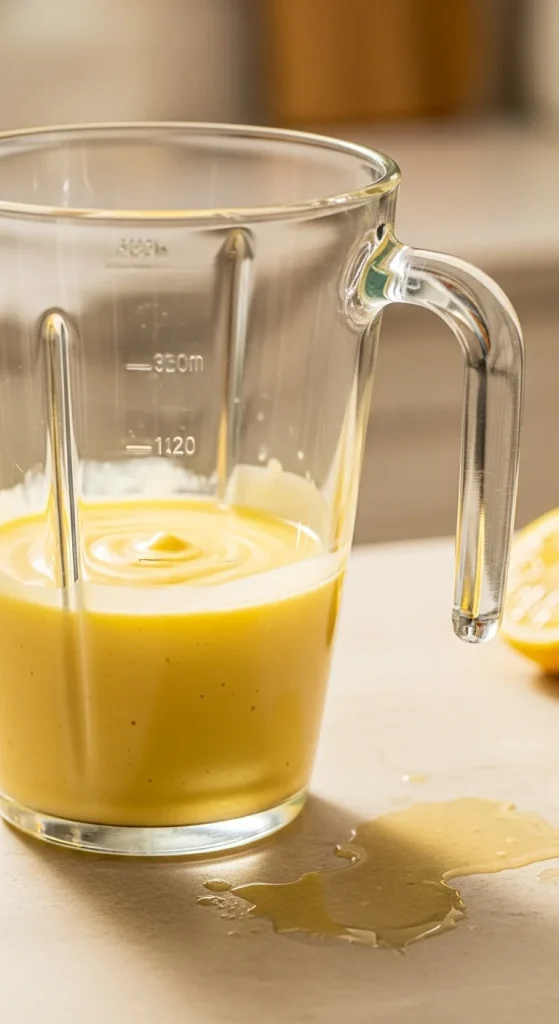
The texture should be smooth, glossy, and slightly thick — it should coat the back of a spoon beautifully.
Pro tip: If the sauce gets too thick, whisk in a teaspoon of warm water to loosen it.

Step 4: The Blender Shortcut (Modern & Foolproof)
Want to skip the whisking workout? The blender method is your new best friend. It gives the same silky texture in less time — ideal for busy mornings or brunch parties.
How to do it:
- Add egg yolks and lemon juice to a blender. Blend for 15–20 seconds until slightly frothy.
- With the blender running on low, slowly drizzle in the warm melted butter through the lid’s opening.
- Blend until thick and creamy, then season with salt and a pinch of cayenne.
That’s it — no double boiler, no fear of scrambling the eggs!
Pro tip: The butter should be hot but not sizzling. Too hot, and it can cook the yolks too quickly.
Step 5: Fixing Common Mistakes (Because They Happen!)
Even the pros mess up Hollandaise occasionally — the trick is knowing how to save it.
If it’s too thick:
Whisk in a tablespoon of warm water or lemon juice to loosen it.
If it’s too thin:
Return to gentle heat and whisk until it thickens again.
If it curdles or separates:
Don’t panic! Whisk in a teaspoon of cold water or start a fresh egg yolk in a new bowl and slowly whisk your broken sauce into it. It’ll come back together like magic.
Pro tip: Keep the heat low and steady — too much heat is the number-one cause of curdling.
Step 6: Serving & Storing Like a Pro
Perfect pairings:
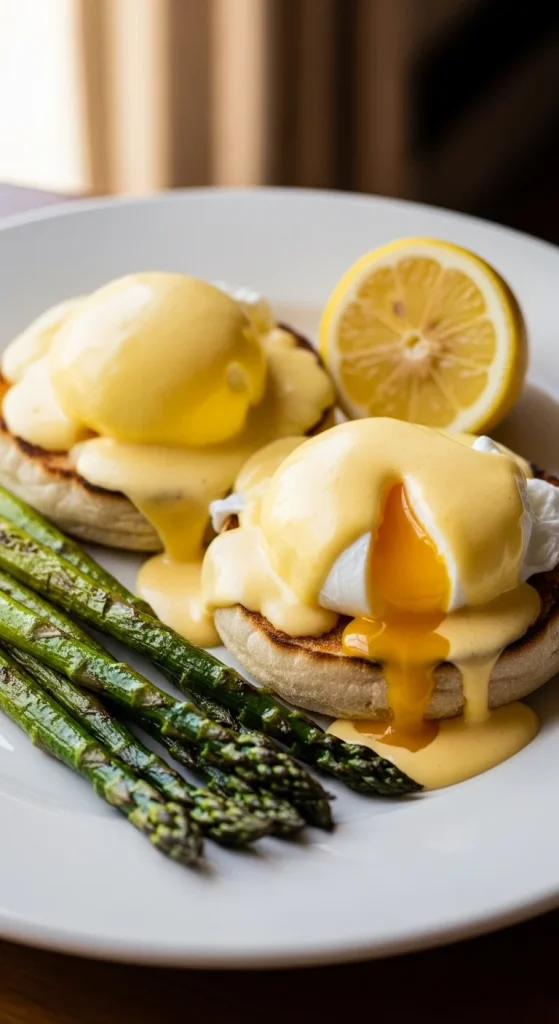
- Poached eggs (classic Eggs Benedict!)
- Steamed asparagus or broccoli
- Grilled salmon or crab cakes
- Roasted potatoes or breakfast hash
To serve, keep the sauce warm (not hot) — around 120°F (49°C) — by placing it in a warm water bath.
To store:
Hollandaise is best enjoyed fresh, but you can refrigerate leftovers for up to 2 days. Gently reheat over low heat or a warm water bath while whisking to restore smoothness.
Bonus Flavor Twists
Once you’ve mastered the classic, try adding your own signature spin:
- Garlic Hollandaise: Add a touch of roasted garlic for depth.
- Herb Hollandaise: Blend in fresh dill, parsley, or tarragon.
- Spicy Hollandaise: Mix in a dash of hot sauce or smoked paprika for a kick.
These variations pair beautifully with different dishes — from seafood dinners to veggie-packed brunches.
The Final Drizzle
Making Hollandaise sauce doesn’t have to be stressful. With gentle heat, slow pouring, and steady whisking, you’ll create a buttery, tangy, and perfectly smooth sauce that elevates anything it touches.
So next weekend, skip the jarred stuff — grab a whisk (or blender) and whip up your own golden goodness.

Hannah Collins is a passionate home cook and food storyteller who believes every recipe tells a little love story. At TastyWriter, she shares simple, delicious recipes made for real kitchens and busy days — from cozy comfort dishes to creative new favorites. When she’s not cooking, you’ll find her photographing food, testing family recipes, or sipping tea while dreaming up her next tasty idea.
Leave a Reply