

There’s something deeply comforting about homemade soup. The warm aroma filling your kitchen, the gentle simmering sound, and the first spoonful of rich, flavorful broth can instantly make any day feel better. Unlike store-bought versions, homemade soup tastes fresher, richer, and more satisfying. And the best part? You control every ingredient.
Making soup from scratch might sound complicated, but it’s actually one of the simplest and most forgiving things you can cook. With a few basic ingredients and the right steps, you can create a pot of soup that tastes like it came from a professional kitchen.
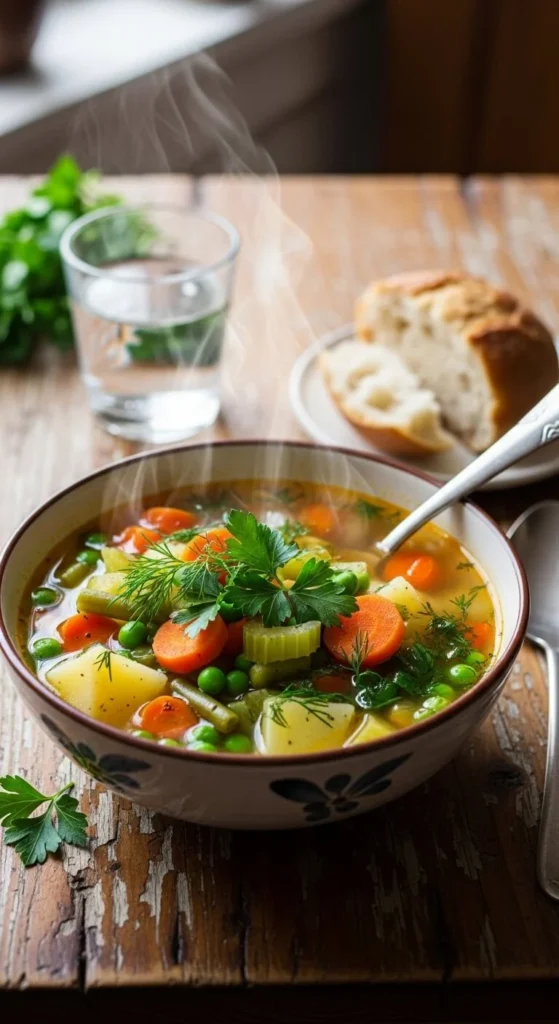
Let’s walk through the simple steps to make delicious homemade soup from scratch.
Start With a Flavorful Base
Every great soup begins with a strong foundation. This base builds the overall flavor.
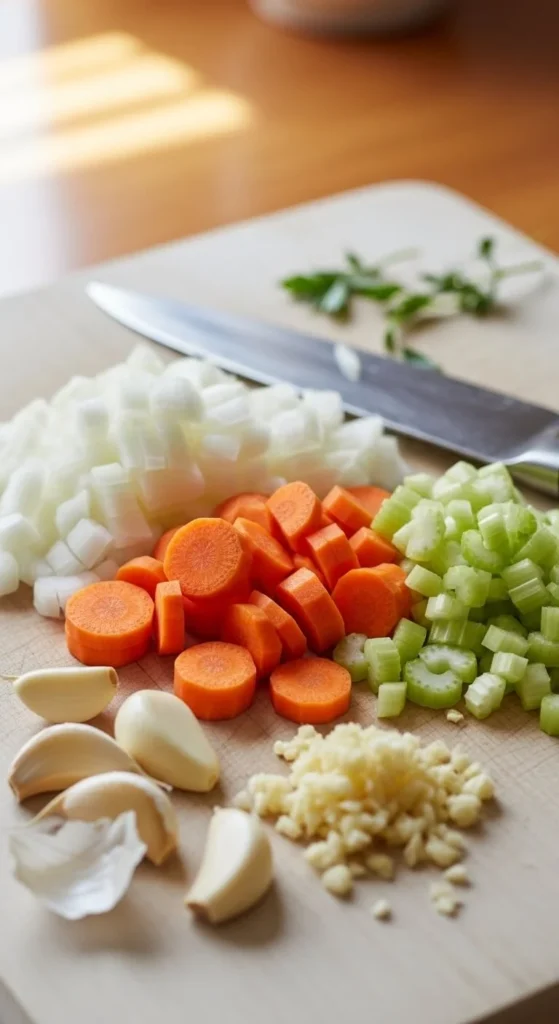
Most soups start with these ingredients:
- Onion
- Garlic
- Carrots
- Celery
- Oil or butter
These ingredients create depth and aroma.
Chop them into small, even pieces so they cook evenly.
This mixture is often called the flavor base of the soup.
Cook the Base Ingredients First
Heat a large pot and add oil or butter.
Then add the chopped vegetables.
Cook them slowly over medium heat for about 5–10 minutes.
This step softens the vegetables and releases their flavor.
You’ll notice the kitchen filling with a rich, comforting aroma.
Avoid rushing this step. It builds the foundation of your soup.
Add Liquid to Create the Broth
Once the vegetables are soft, it’s time to add liquid.
Common options include:
- Water
- Chicken broth
- Vegetable broth
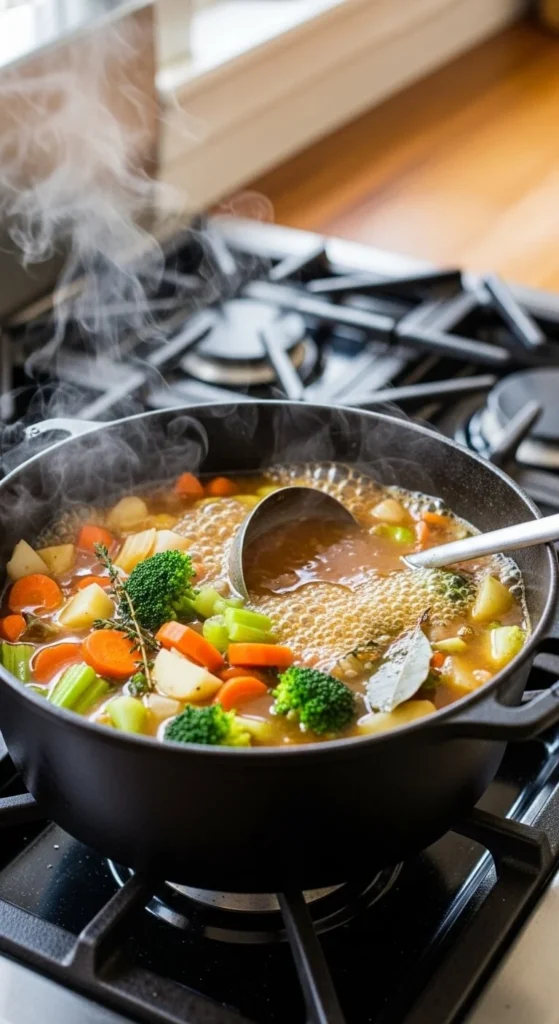
Pour enough liquid to cover all ingredients.
This creates the soup’s main body.
Stir gently and bring it to a simmer.
Add Protein or Main Ingredients
Now you can customize your soup.
Popular additions include:
- Chicken
- Beans
- Lentils
- Potatoes
- Pasta
These ingredients make the soup filling and satisfying.
Choose ingredients based on your preference.
Add them once the broth begins to simmer.
Let the Soup Simmer Slowly
Simmering allows flavors to blend together.
Keep the heat low and let the soup cook slowly.
Simmer time depends on ingredients:
- Vegetables: 20–30 minutes
- Chicken: 25–40 minutes
- Lentils: 30–45 minutes
Slow cooking creates deeper flavor.
Avoid boiling too aggressively. Gentle simmering works best.
Season for Better Flavor
Seasoning makes the biggest difference.
Add:
- Salt
- Black pepper
- Herbs like parsley or thyme
Taste the soup and adjust slowly.
Add small amounts at a time.
Seasoning brings everything together.
Add Fresh Ingredients at the End
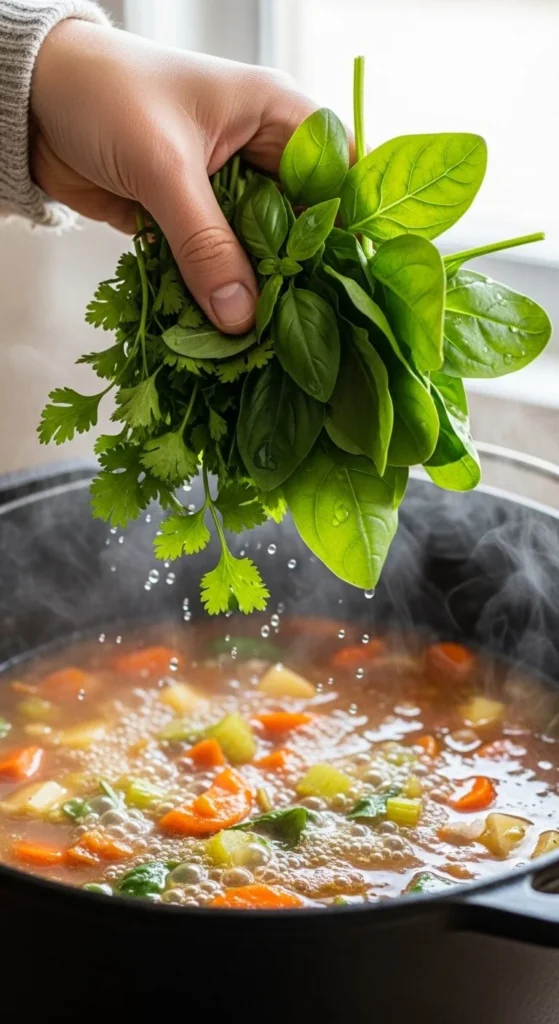
Some ingredients cook quickly and should be added later.
Examples include:
- Spinach
- Fresh herbs
- Soft vegetables
This keeps them fresh and vibrant.
Adding them too early can make them overly soft.
Let the Soup Rest Before Serving
Once finished, turn off the heat and let the soup rest for 5–10 minutes.
This helps flavors settle and improve.
Resting enhances the final taste.
Soup often tastes even better after resting.
Customize Your Soup Easily
Soup is highly flexible.
You can create endless variations:
Vegetable soup
Chicken soup
Lentil soup
Bean soup
Use ingredients you already have.
This makes soup affordable and practical.
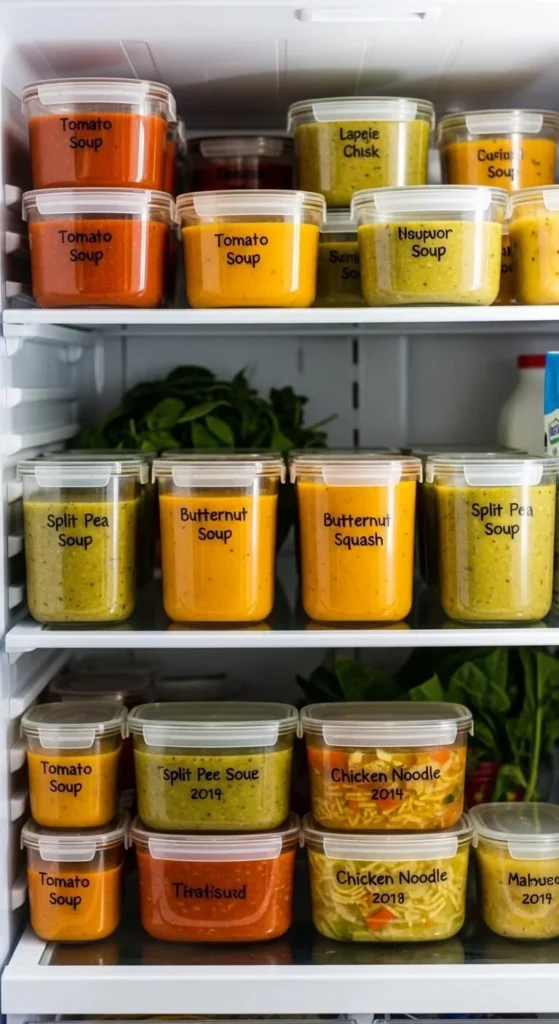
Store Soup for Later
Soup stores very well.
Let it cool, then store in airtight containers.
Refrigerate for up to 4 days.
You can also freeze soup for longer storage.
Reheat gently when ready to eat.
Soup is perfect for meal prep.
Avoid Common Soup Mistakes
Avoid these errors:
Skipping the flavor base
- Reduces depth
Adding too much salt early
- Makes correction difficult
Cooking too fast
- Weakens flavor
Proper technique improves results significantly.
Why Homemade Soup Is Worth It
Homemade soup offers many benefits:
- Fresh ingredients
- Better flavor
- Customizable recipes
- No unnecessary additives
It’s healthier and more satisfying.
You can make exactly what you like.
Final Takeaway
Making homemade soup from scratch is simple, comforting, and rewarding. With just a few fresh ingredients and a little patience, you can create a rich, flavorful soup that tastes far better than store-bought versions. Once you try it, homemade soup may become a regular part of your kitchen routine.
Save this guide for later and enjoy the warmth and comfort of homemade soup anytime.

Hannah Collins is a passionate home cook and food storyteller who believes every recipe tells a little love story. At TastyWriter, she shares simple, delicious recipes made for real kitchens and busy days — from cozy comfort dishes to creative new favorites. When she’s not cooking, you’ll find her photographing food, testing family recipes, or sipping tea while dreaming up her next tasty idea.
Leave a Reply