

Hosting a spring dinner sounds lovely—until you’re juggling grocery lists, timing dishes, and wondering if the chicken will dry out while your guests sip wine in the living room. The truth is, great spring dinners don’t come from complicated menus. They come from smart planning, fresh ingredients, and meals that let you stay present instead of stuck in the kitchen.
If you want to host without stress and still impress your guests, this guide is for you.
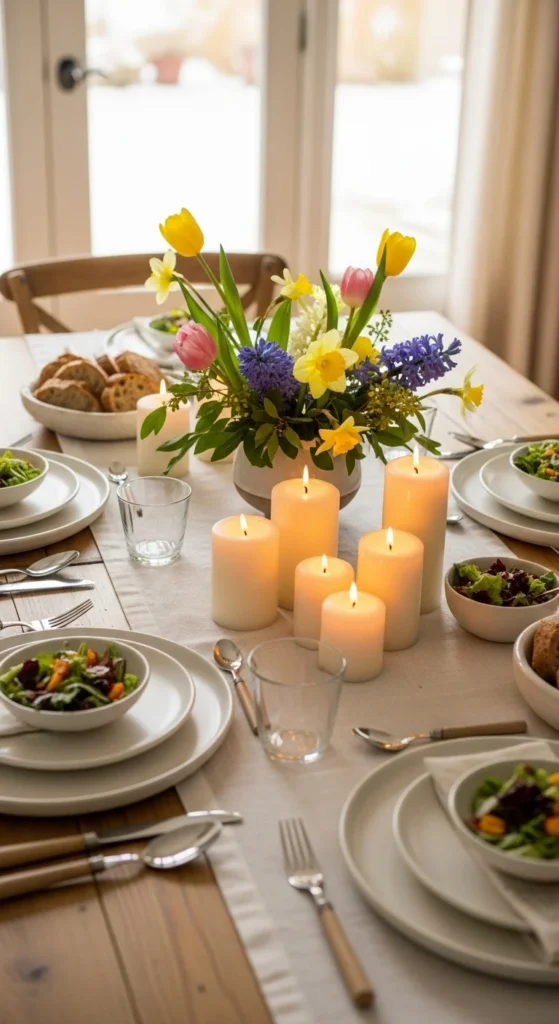
Plan a Menu That Cooks Itself
The biggest hosting mistake is choosing recipes that demand constant attention. Spring is the perfect season to lean into food that’s forgiving and flexible.
When planning your menu, aim for:
- One main dish that can be made ahead
- One or two sides that are simple or mostly hands-off
- One dessert that requires no last-minute work
Great low-stress spring mains include:
- Braised chicken
- Baked salmon
- Slow-cooked lamb
- Pasta dishes finished just before serving
If a dish needs constant stirring or precise timing, save it for another day.
Build the Menu Around What’s in Season
Seasonal food tastes better with less effort. Spring ingredients are naturally fresh and light, which means you don’t need heavy sauces or complicated techniques.
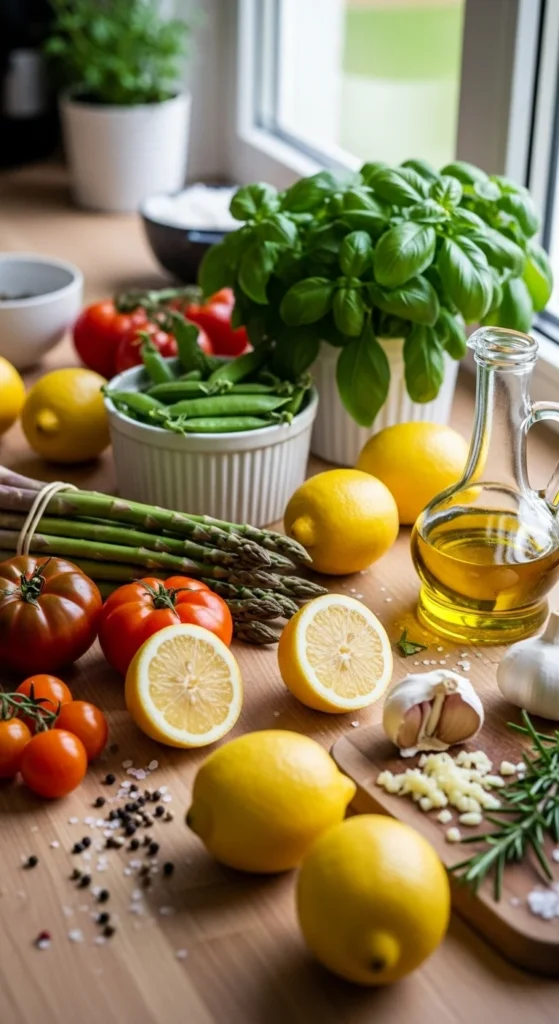
Spring-friendly ingredients:
- Asparagus
- Peas
- Radishes
- Spinach
- Fresh herbs
- Lemon
These ingredients cook quickly and look beautiful on the table with minimal styling.
Choose Dishes That Can Be Prepped Early
Stress disappears when half the work is already done before guests arrive.
Prep-ahead ideas:
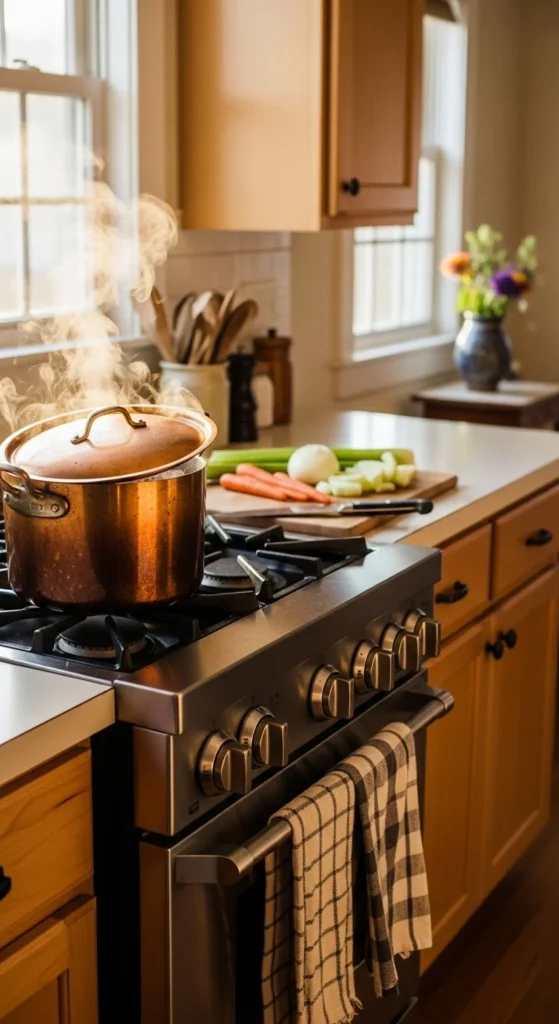
- Chop vegetables in the morning
- Marinate proteins the night before
- Make dressings and sauces ahead
- Set the table early
Even small prep steps save time later and free up mental space.
A good rule:
If it can be done before guests arrive, do it.
Keep the Cooking Window Short
Aim to finish cooking within 20 to 30 minutes once guests arrive. This keeps you out of the kitchen and part of the evening.
Smart cooking strategies:
- Roast or bake one main dish
- Use the stovetop for one quick side
- Serve bread, olives, or cheese as guests arrive
This gives you breathing room and prevents everything from needing attention at once.
Set the Table Simply but Thoughtfully
You don’t need fancy tableware to make guests feel welcome. Spring tables should feel easy and inviting.
Simple table ideas:
- White plates or neutral dishes
- Cloth napkins or soft paper napkins
- Fresh flowers or greenery in a jar
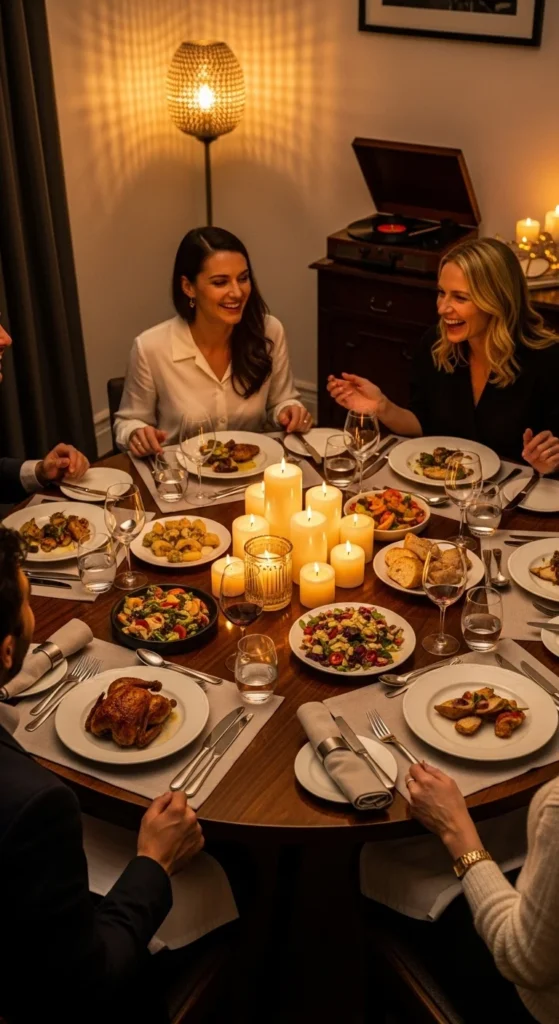
- Candles for warmth
Set the table earlier in the day so it’s one less thing to think about later.
Serve Family-Style to Lower the Pressure
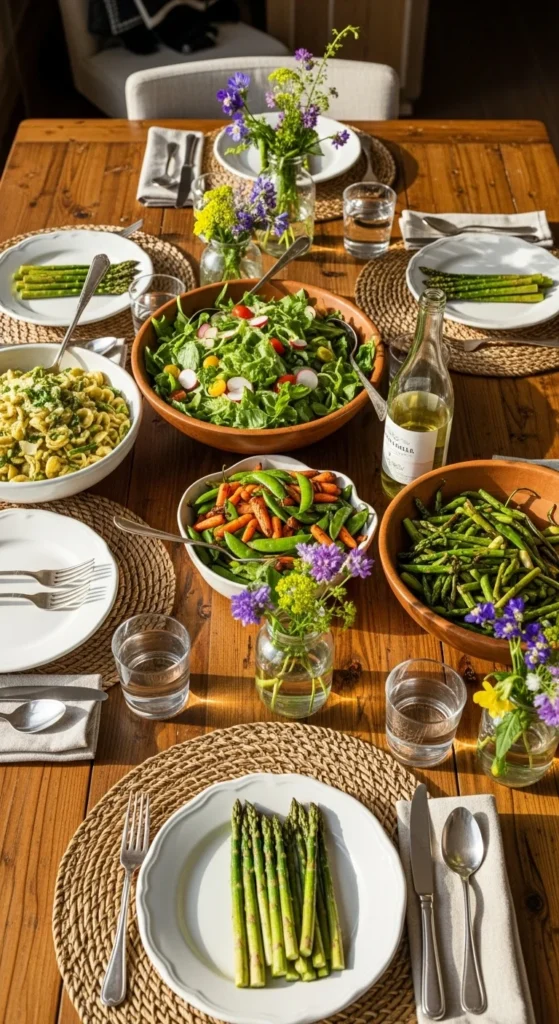
Plating individual dishes looks impressive—but it adds stress. Family-style serving is relaxed, social, and forgiving.
Benefits of family-style:
- Less last-minute plating
- Guests serve themselves
- Food stays warmer longer
- The table feels casual and welcoming
Use large serving dishes and let everyone help themselves.
Have a Simple, No-Stress Dessert
Dessert doesn’t need to be elaborate to feel special.
Easy spring dessert ideas:
- Fresh berries with whipped cream
- Lemon loaf cake
- Store-bought tart with homemade topping
- Ice cream with olive oil and sea salt
The goal is to end the meal on a sweet note without pulling you back into the kitchen.
Focus on the Mood, Not Perfection
Guests don’t remember perfectly cooked sides. They remember how the evening felt.
To create a relaxed mood:
- Play soft background music
- Light a candle or two
- Pour drinks early
- Accept that something might go slightly off-plan
If you’re calm, your guests will be too.
Final Takeaway
Stress-free spring dinners come from smart choices, not more effort. Plan a simple menu, prep ahead, use seasonal ingredients, and keep cooking time short once guests arrive. Focus on connection, not perfection.
When the food is good and the host is relaxed, everyone has a better time.
Save this guide for later—and enjoy hosting spring dinners you actually look forward to.
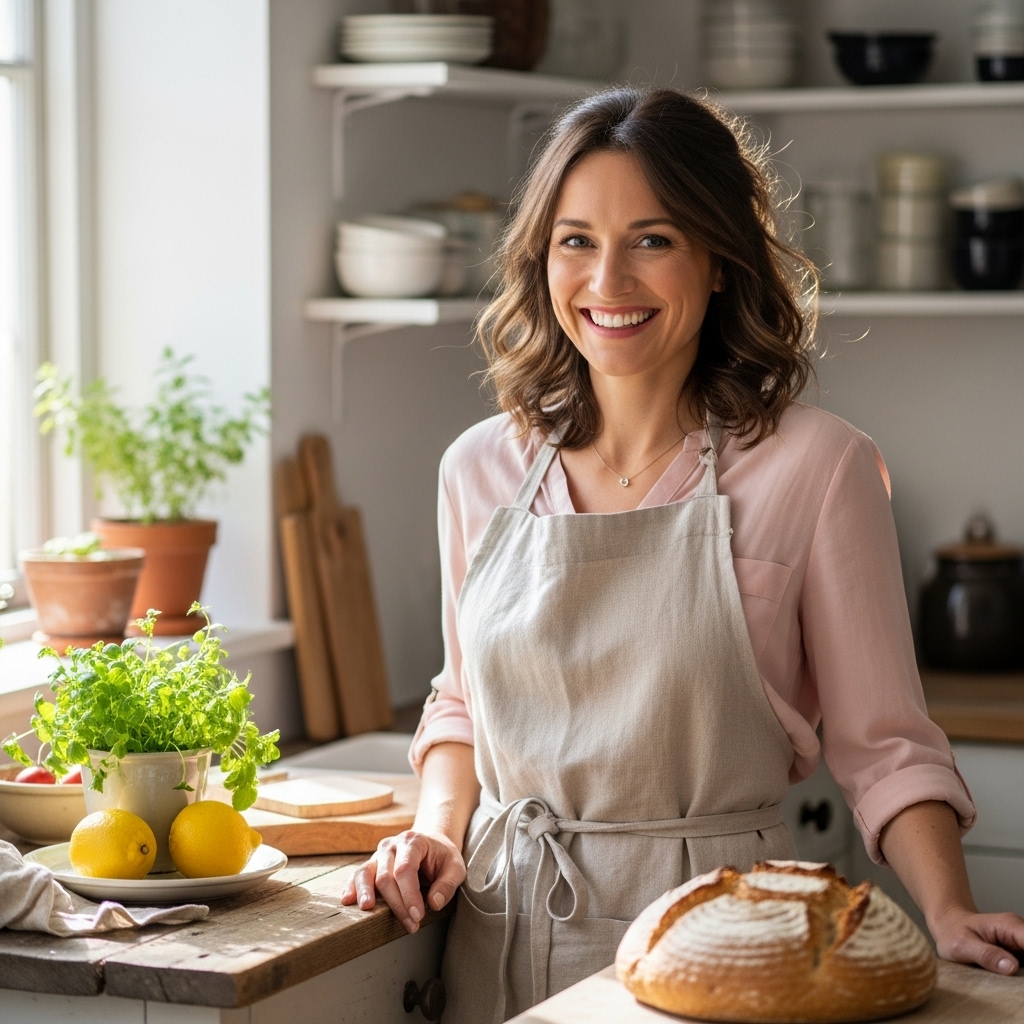
Hannah Collins is a passionate home cook and food storyteller who believes every recipe tells a little love story. At TastyWriter, she shares simple, delicious recipes made for real kitchens and busy days — from cozy comfort dishes to creative new favorites. When she’s not cooking, you’ll find her photographing food, testing family recipes, or sipping tea while dreaming up her next tasty idea.
Leave a Reply