

Hosting in spring sounds dreamy—sunny afternoons, fresh flavors, casual gatherings. But when guests are actually on their way, it’s easy to spiral into overplanning, overcooking, and total kitchen chaos. The good news? Spring food is naturally low-stress if you let it be.
This guide will show you how to feed guests beautifully without sweating over every detail—so you can actually enjoy the meal, too.
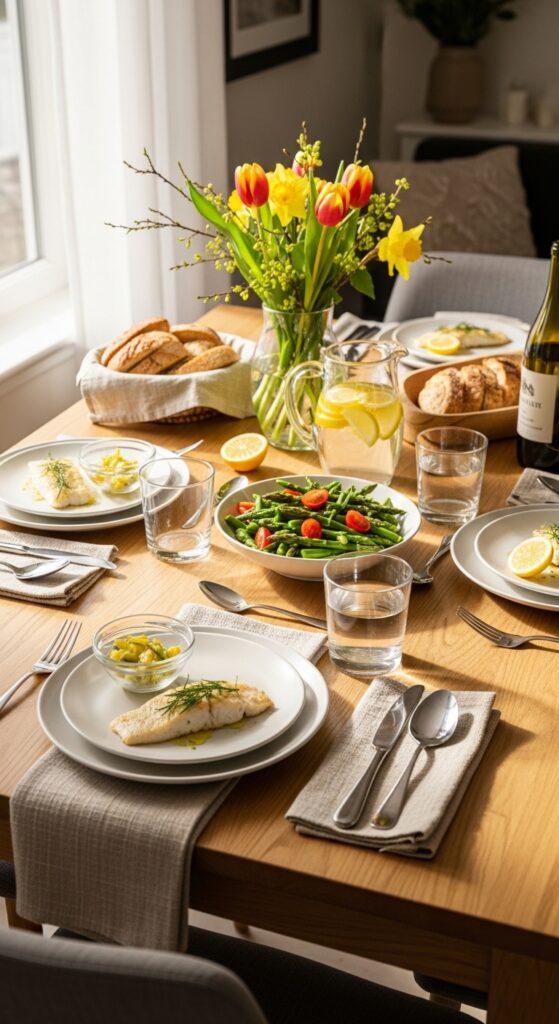
Start With a Low-Pressure Menu Plan
The fastest way to stress yourself out is trying to impress with complicated dishes. Spring entertaining works best when the menu feels relaxed and seasonal.
Aim for:
- 1 main dish that can be prepped ahead
- 2–3 simple sides using fresh produce
- 1 easy dessert (store-bought is totally fine)
A stress-free spring menu might look like:
- Roasted salmon or lemon chicken
- A big green salad with herbs
- Crispy potatoes or buttered peas
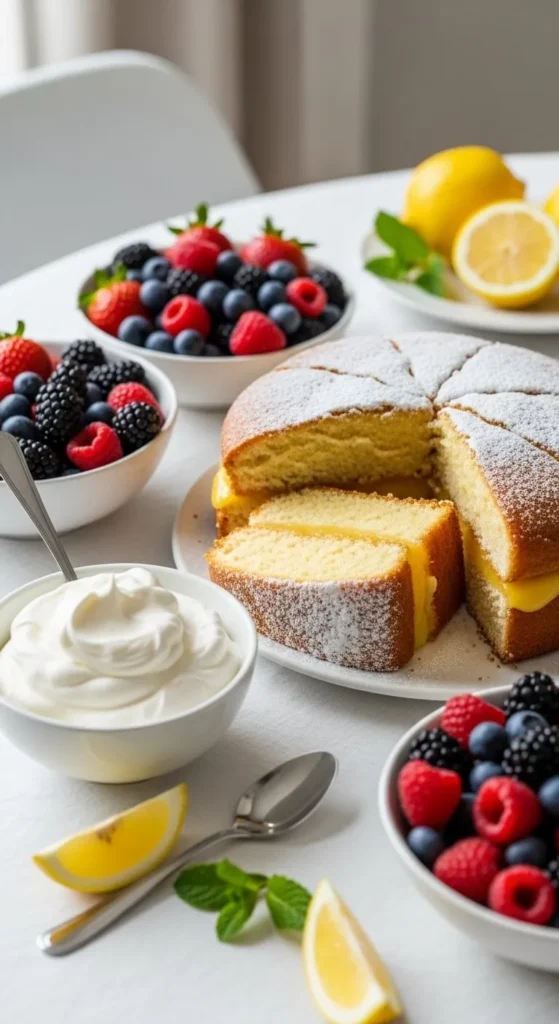
- Fresh berries with whipped cream
If you can explain the menu in one sentence, you’re doing it right.
Choose Dishes You Can Prep Ahead
The secret to calm hosting is doing the work before guests arrive. Spring food makes this easy because so many dishes taste great at room temperature.
Great make-ahead options:
- Grain salads (farro, couscous, quinoa)
- Roasted vegetables
- Marinated proteins
- Simple vinaigrettes
What to avoid:
- Last-minute frying
- Recipes that require constant stirring
- Anything you’ve never cooked before
If it needs babysitting, it’s not guest-friendly.
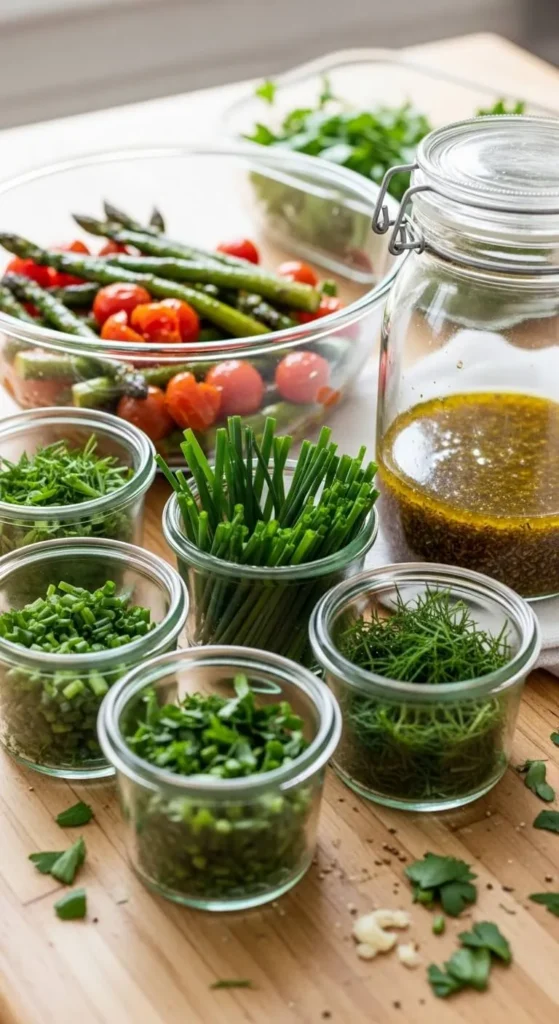
Let Seasonal Ingredients Do the Work
Spring ingredients are naturally flavorful, which means you don’t need complicated sauces or techniques.
Lean on:
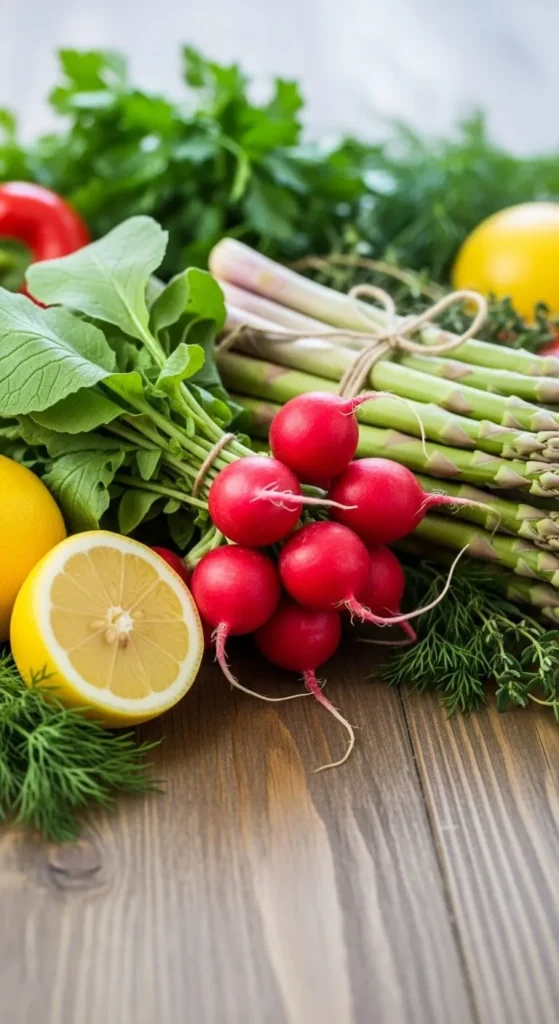
- Asparagus, peas, radishes, artichokes
- Fresh herbs like dill, parsley, mint, and chives
- Citrus for brightness
Simple combinations that always work:
- Asparagus + olive oil + lemon
- Peas + butter + mint
- Radishes + salt + good butter
When ingredients are in season, less effort equals more flavor.
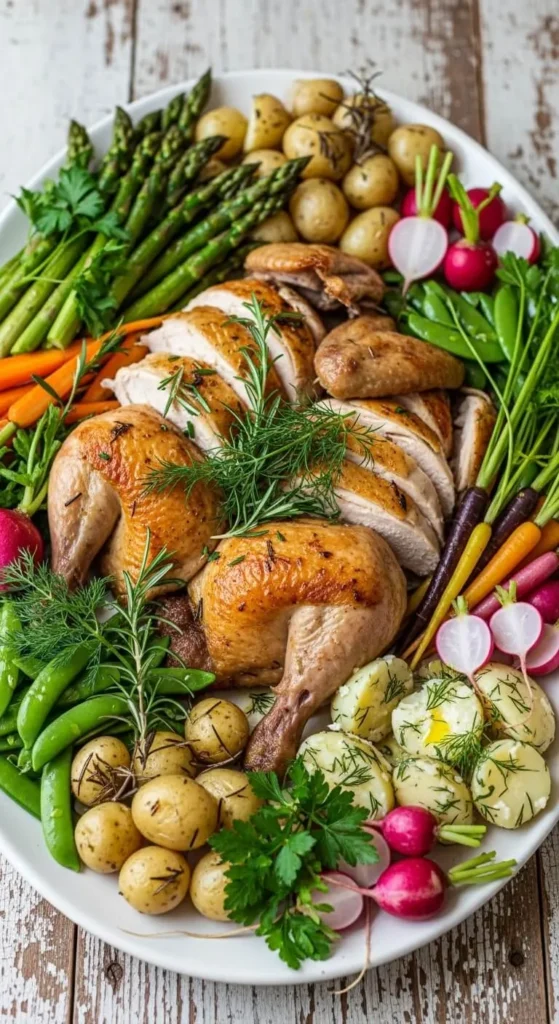
Build a Menu Around One “Anchor” Dish
Instead of juggling multiple hot items, choose one main dish as the focus and keep everything else flexible.
Good anchor dishes:
- Roast chicken or salmon
- Baked pasta primavera
- Spring vegetable tart
- Slow-roasted pork or lamb
Once that’s decided:
- Add one fresh salad
- Add one comforting side
- Add bread or potatoes
This structure keeps your timing simple and your kitchen calm.
Keep Presentation Effortless but Intentional
You don’t need fancy plating to make food feel special. A few thoughtful touches go a long way.
Easy presentation upgrades:
- Serve food on large platters
- Finish dishes with fresh herbs
- Use neutral plates and bowls
- Let natural colors shine
Skip:
- Individual plating
- Over-decorating dishes
- Anything that makes serving awkward
Remember: relaxed food looks better than perfect food.
Plan One No-Stress Dessert
Dessert should be the easiest part of the meal—not the hardest.
Spring-friendly, low-effort desserts:
- Lemon loaf or pound cake
- Store-bought tart with berries
- Yogurt, honey, and fruit
- Ice cream with olive oil and sea salt
Make it even easier by:
- Buying instead of baking
- Serving dessert family-style
- Letting guests help themselves
Guests remember how they felt, not whether dessert was homemade.
Set the Mood, Not the Schedule
A relaxed atmosphere matters more than perfect timing. Spring gatherings shine when they feel casual and welcoming.
Do this instead of rushing:
- Light candles or open windows
- Play soft background music
- Serve drinks early
- Let people snack as you finish
If dinner runs a little late? No one will mind—as long as they’re comfortable and fed something along the way.
Final Takeaway
Making spring food for guests doesn’t have to be stressful. With a simple menu, seasonal ingredients, and a little prep ahead of time, you can host with confidence—and actually enjoy your own gathering.
Keep it light. Keep it flexible. Keep it fun.
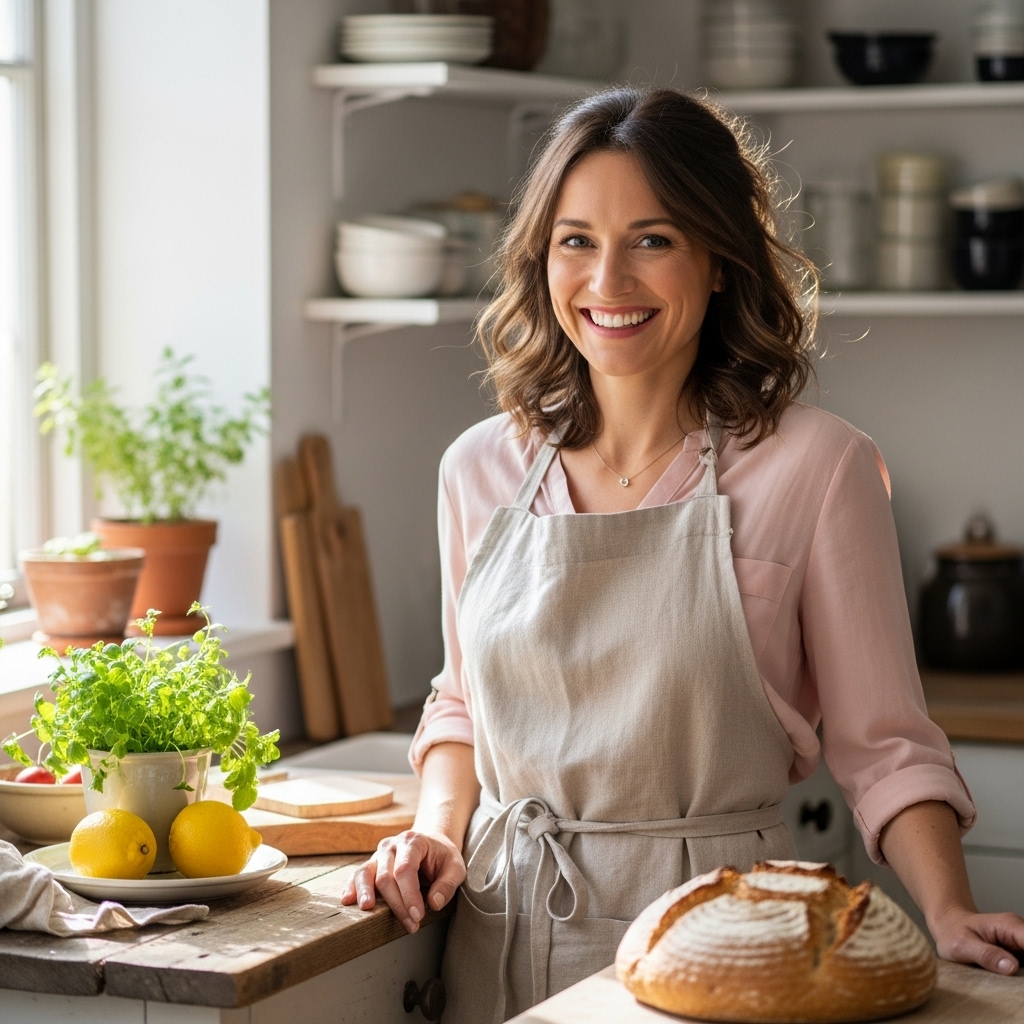
Hannah Collins is a passionate home cook and food storyteller who believes every recipe tells a little love story. At TastyWriter, she shares simple, delicious recipes made for real kitchens and busy days — from cozy comfort dishes to creative new favorites. When she’s not cooking, you’ll find her photographing food, testing family recipes, or sipping tea while dreaming up her next tasty idea.
Leave a Reply