

Spring is the season of fresh starts—and that should apply to your meals, too. As the weather warms up, heavy cream sauces and rich gravies start to feel out of place. But here’s the good news: you don’t need thick sauces to make food taste amazing. Spring meals are all about bright flavors, fresh ingredients, and simple techniques that let everything shine.
If you’ve ever wondered how to make spring meals flavorful without drowning them in sauce, this guide has you covered.
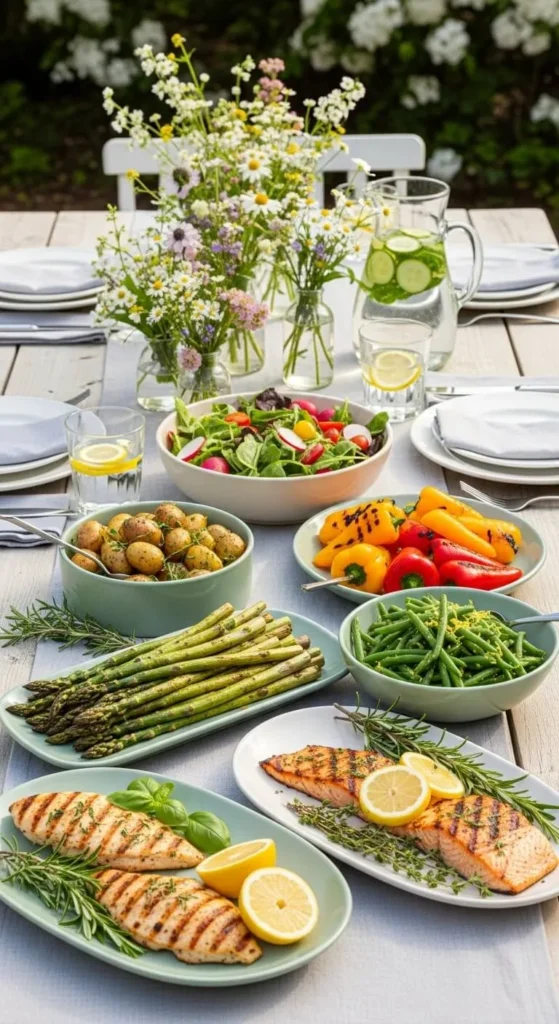
Let Seasonal Ingredients Do the Heavy Lifting
The biggest secret to flavorful spring cooking? Start with ingredients that already taste great.
Spring produce is naturally tender, sweet, and vibrant, which means you don’t need much to make it delicious.
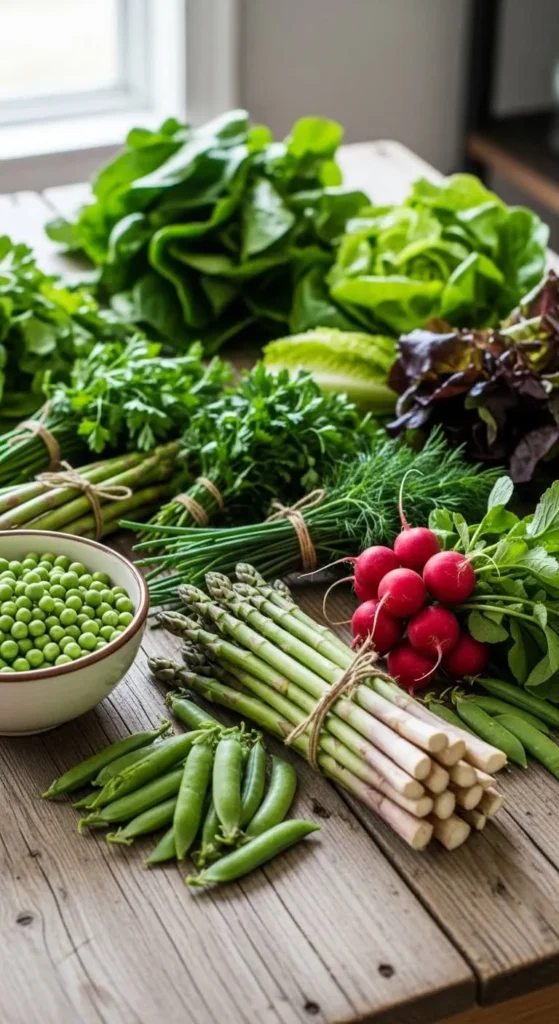
Look for:
- Asparagus
- Peas and snap peas
- Spinach and arugula
- Radishes
- Spring onions and leeks
- Fresh herbs like dill, parsley, basil, and mint
Why this works:
Fresh, in-season ingredients bring flavor without effort. When food tastes good on its own, heavy sauces become unnecessary.
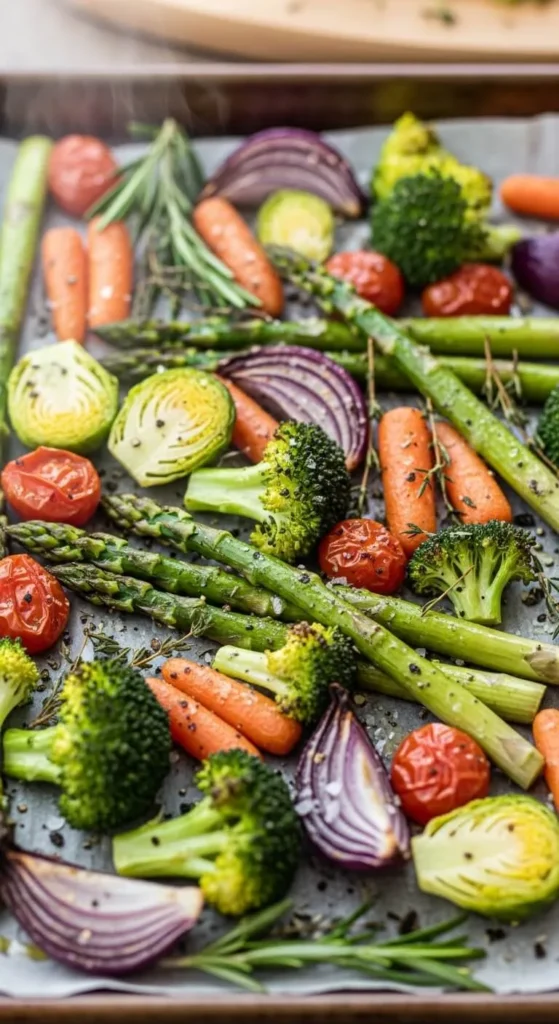
Use Cooking Methods That Build Natural Flavor
Flavor doesn’t come only from sauces—it comes from how you cook.
Spring-friendly methods that enhance taste:
- Roasting at high heat (caramelizes vegetables naturally)
- Grilling (adds smokiness)
- Light sautéing (keeps vegetables crisp and bright)
- Blanching and finishing with oil or acid
Avoid boiling vegetables for long periods—it drains flavor and texture.
Quick tip:
If your vegetables are browned just a little, you’re already halfway to great flavor.
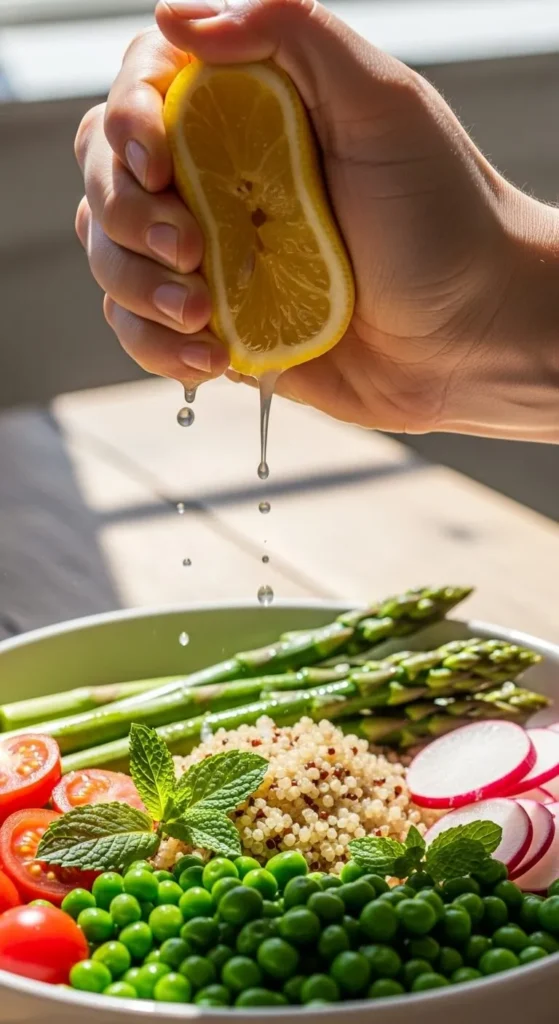
Build Flavor with Acid Instead of Cream
One of the easiest ways to replace heavy sauces is to lean into acid. A splash of acidity wakes up flavors and keeps dishes light.
Great acidic flavor boosters:
- Lemon or lime juice
- Zest from citrus fruits
- Vinegars (balsamic, apple cider, champagne vinegar)
- Pickled vegetables
Instead of pouring on sauce, try finishing dishes with a squeeze of lemon or a drizzle of vinegar.
Rule of thumb:
If a dish tastes flat, it probably needs acid—not butter or cream.
Use Herbs Like an Ingredient, Not a Garnish
In spring cooking, herbs aren’t just decoration—they’re a main flavor component.
Go-to spring herbs:
- Parsley
- Dill
- Chives
- Basil
- Mint
Ways to use them:
- Toss chopped herbs into warm vegetables
- Blend into light pestos or herb oils
- Sprinkle generously over finished dishes
The aroma and freshness of herbs can replace the richness you’d normally get from a sauce.
Easy herb oil:
Blend olive oil with parsley, lemon zest, and salt. Drizzle over anything.
Add Texture for More Flavor Impact
Heavy sauces often add richness and mouthfeel. You can get the same satisfaction through texture instead.
Try adding:
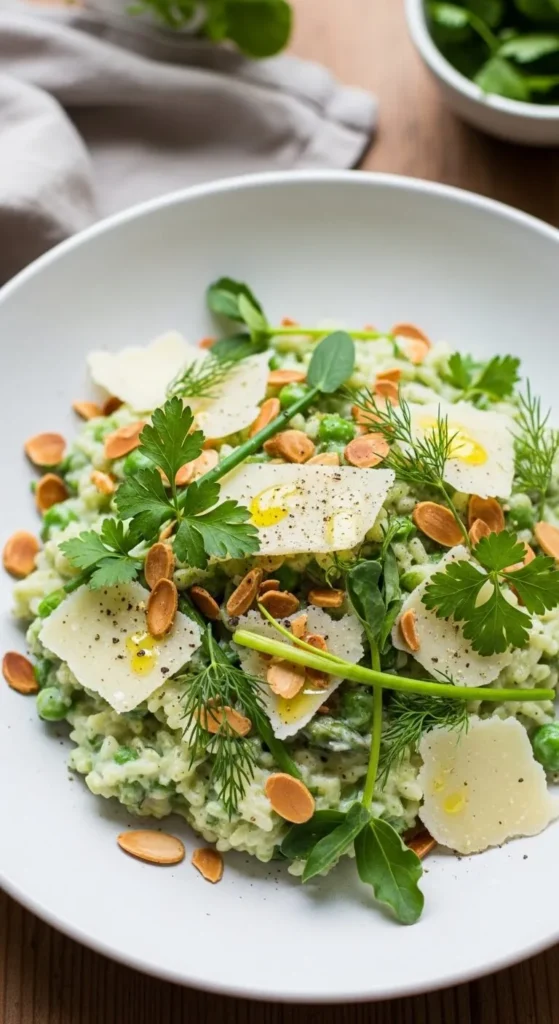
- Toasted nuts or seeds
- Crispy breadcrumbs
- Shaved parmesan or crumbled feta
- Crunchy raw vegetables
These additions create contrast and make simple meals feel exciting.
Texture keeps meals interesting—and you won’t miss the sauce.
Choose Light, Flavorful Proteins
Spring meals feel best when proteins are cooked simply and paired with fresh elements.
Great options:
- Grilled chicken or fish
- Shrimp
- Eggs
- Tofu or tempeh
- Beans and lentils
Season proteins well, cook them properly, and finish with herbs or citrus instead of heavy coatings.
Example:
Grilled salmon + lemon zest + chopped dill = bold flavor, zero sauce.
Make Simple Finishing Sauces (Not Heavy Ones)
You don’t have to eliminate sauces completely—just rethink them.
Light sauce alternatives:
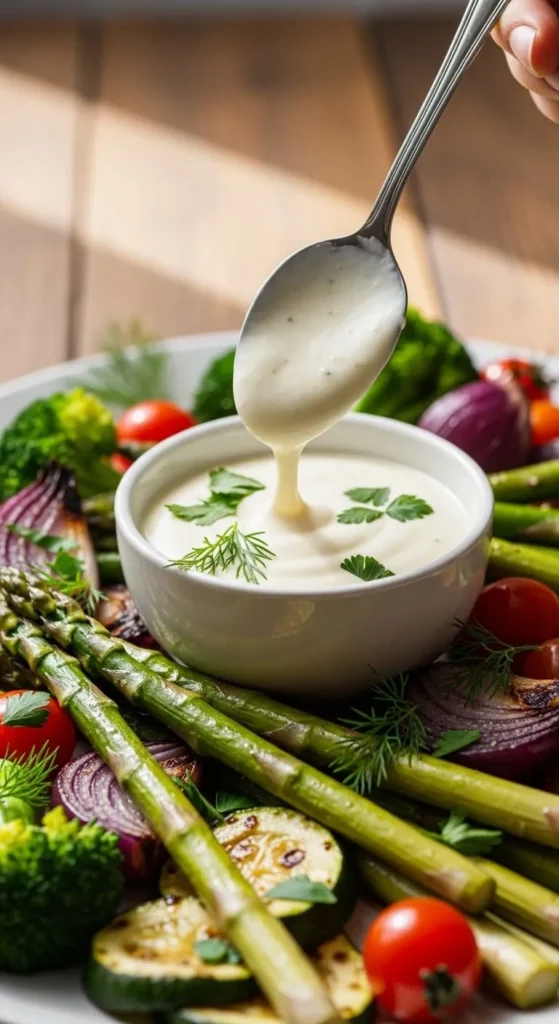
- Yogurt mixed with lemon and herbs
- Tahini thinned with water and citrus
- Pesto with extra greens and less oil
- Olive oil whisked with mustard and vinegar
These add flavor without weighing the dish down.
Think drizzle, not drown.
Keep Portions Balanced and Plates Colorful
A colorful plate automatically feels fresher and more flavorful.
Aim for:
- Multiple vegetables
- One simple protein
- One light carb (grains, potatoes, or bread)
When your plate looks bright and balanced, it won’t need a heavy sauce to feel satisfying.
Final Takeaway
Flavorful spring meals don’t come from heavy sauces—they come from fresh ingredients, smart cooking, and thoughtful finishing touches. Use acid, herbs, texture, and seasonal produce to create dishes that feel light but deeply satisfying.
Save this guide for later, and let spring flavors shine—no heavy sauces required 🌷

Hannah Collins is a passionate home cook and food storyteller who believes every recipe tells a little love story. At TastyWriter, she shares simple, delicious recipes made for real kitchens and busy days — from cozy comfort dishes to creative new favorites. When she’s not cooking, you’ll find her photographing food, testing family recipes, or sipping tea while dreaming up her next tasty idea.
Leave a Reply