

Spring is the season that makes you want to cook again. After months of heavy stews and comfort food, the market suddenly explodes with tender greens, sweet carrots, juicy strawberries, and herbs that smell like sunshine. The good news? You don’t need complicated recipes to make the most of spring produce—just fresh ingredients, simple techniques, and a little inspiration.
Let’s break down how to turn seasonal spring produce into easy, vibrant meals you’ll actually want to make (and save).
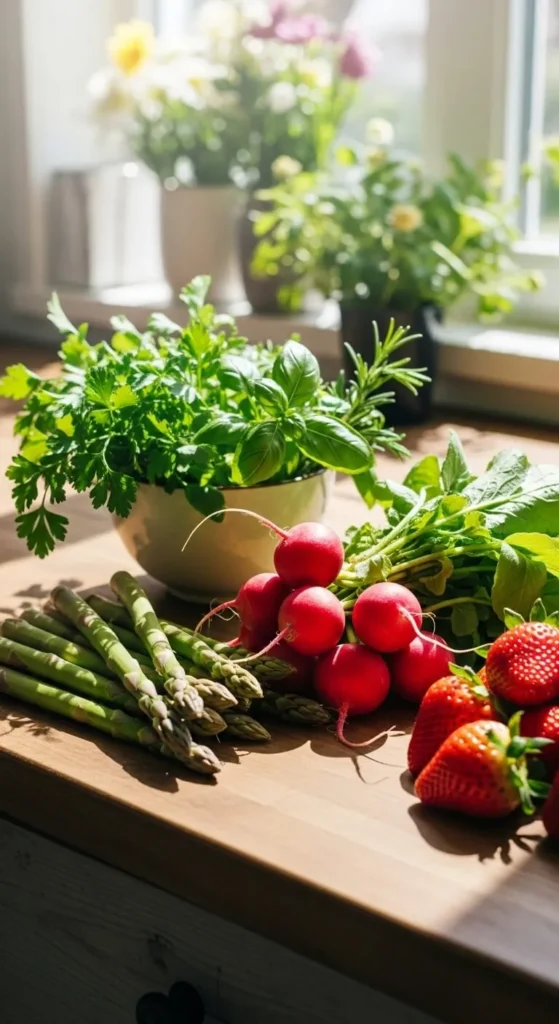
Step 1: Shop What’s in Season (and Let It Lead the Meal)
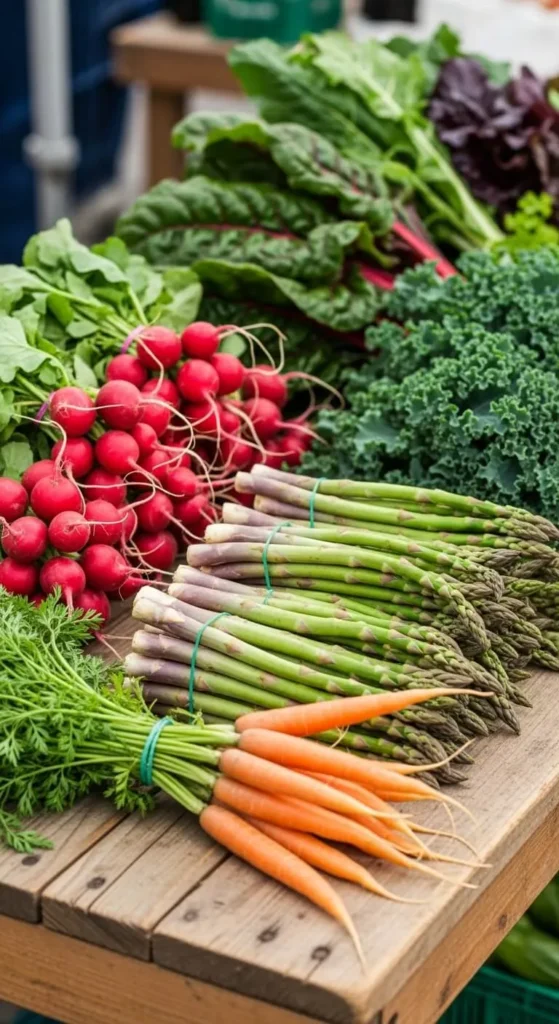
The easiest way to cook seasonal meals is to start at the produce section—or better yet, a farmers’ market—and let what looks best decide dinner.
Popular spring produce to look for:
- Asparagus
- Peas and snap peas
- Radishes
- Spinach, arugula, and baby greens
- Spring onions and leeks
- Carrots with tops
- Strawberries and rhubarb
- Fresh herbs like dill, mint, parsley, and chives
When fruits and vegetables are in season, they:
- Taste better
- Cost less
- Need less seasoning to shine
Pro tip: Pick just 2–3 standout vegetables and build your meal around them. Spring cooking is about restraint, not overload.
Step 2: Keep Your Spring Pantry Light and Flexible
Spring meals don’t need heavy sauces or long ingredient lists. A simple, well-stocked pantry lets fresh produce take center stage.
Spring pantry essentials:
- Olive oil and a light neutral oil
- Lemon juice or apple cider vinegar
- Garlic and shallots
- Grains like quinoa, farro, or couscous
- Eggs (perfect for quick spring meals)
- Simple proteins: chicken, fish, tofu, or chickpeas
With these basics, you can turn vegetables into:
- Grain bowls
- Salads with protein
- Quick sautés
- Sheet-pan meals
Short ingredient lists = less prep and more flavor.
Step 3: Use Simple Cooking Methods That Highlight Freshness
Spring vegetables are tender, so avoid overcooking them. The goal is crisp, colorful, and lightly cooked.
Go-to spring cooking techniques:
- Roasting: Brings out natural sweetness (try asparagus or carrots)
- Quick sautéing: Perfect for greens and peas
- Blanching: Keeps vegetables bright and fresh for salads
- Raw prep: Shaved radishes, carrots, or zucchini add crunch
Finish dishes with:
- A squeeze of lemon
- Fresh herbs
- A drizzle of olive oil
- A sprinkle of flaky salt
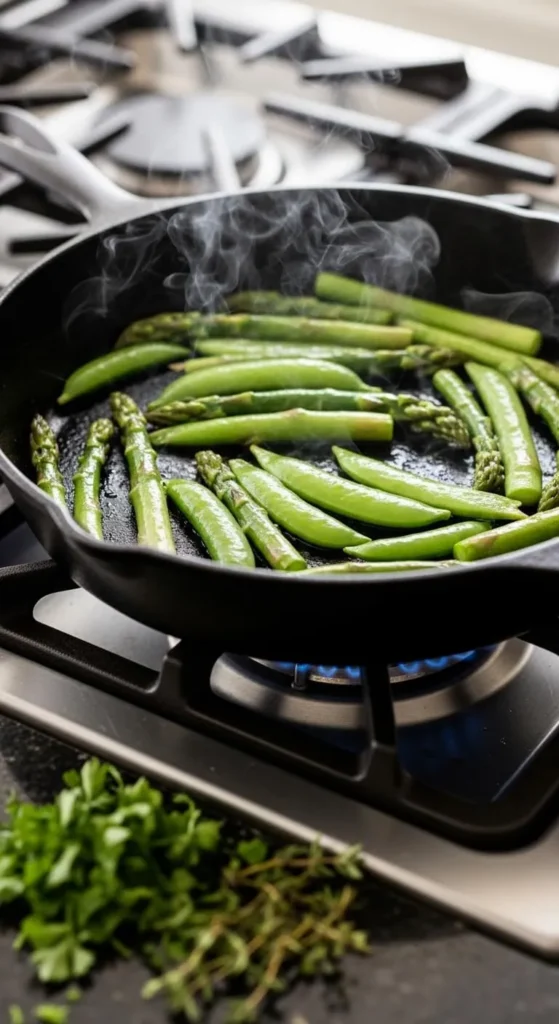
Step 4: Build Easy Spring Meals Around One Star Ingredient
Instead of planning complex recipes, choose one seasonal ingredient and repeat it in different ways throughout the week.
Example meal ideas:
- Asparagus: Roasted with lemon + served over quinoa with a fried egg
- Spinach: Tossed into pasta, omelets, or grain bowls
- Radishes: Roasted for warmth or sliced raw into salads
- Strawberries: Added to salads, yogurt bowls, or simple desserts
This approach:
- Reduces food waste
- Saves time during busy weeks
- Makes meal planning feel effortless
Mix and match based on what’s fresh—and what you’re craving.
Step 5: Finish with Fresh Garnishes That Make It Feel Special
The final touch is what turns a simple plate into a Pinterest-worthy meal.
Easy finishing touches:
- Chopped fresh herbs
- Lemon zest
- Crumbled feta or goat cheese
- Toasted nuts or seeds
These small additions add texture, color, and brightness without extra cooking.
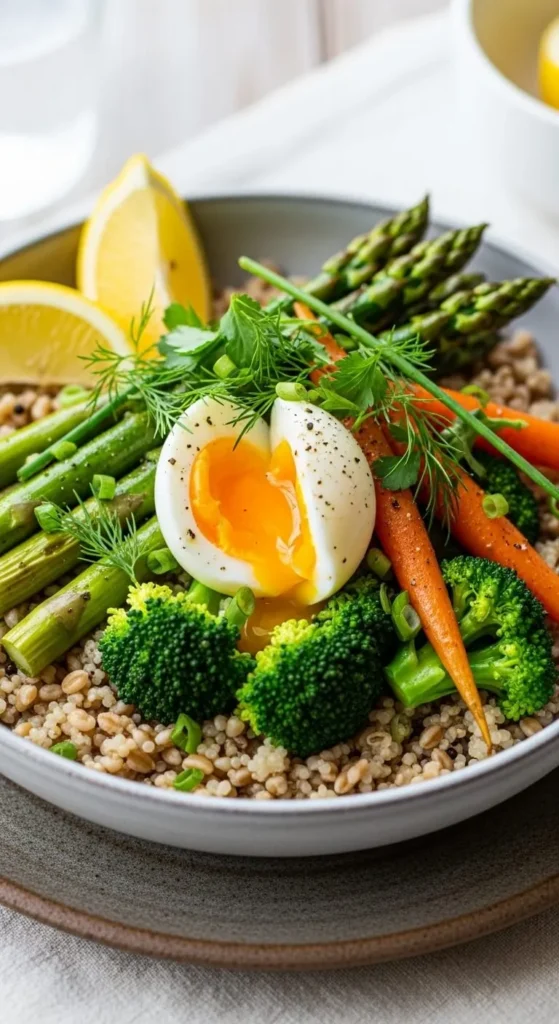
Final Takeaway: Let Spring Do the Work
Seasonal spring cooking is all about letting fresh produce lead the way. Shop what looks good, keep your pantry simple, and use easy cooking methods that highlight natural flavors. The result? Lighter meals, brighter plates, and less stress in the kitchen.
Save this guide for later, pin your favorite ideas, and let spring inspire what’s on your plate this week

Hannah Collins is a passionate home cook and food storyteller who believes every recipe tells a little love story. At TastyWriter, she shares simple, delicious recipes made for real kitchens and busy days — from cozy comfort dishes to creative new favorites. When she’s not cooking, you’ll find her photographing food, testing family recipes, or sipping tea while dreaming up her next tasty idea.
Leave a Reply