

Spring pasta should feel like sunshine in a bowl.
Not heavy, not creamy, not sleepy—just bright, fresh, and satisfying without weighing you down.
The trick? It’s all about seasonal ingredients, simple sauces, and a few smart techniques that keep pasta vibrant and light.
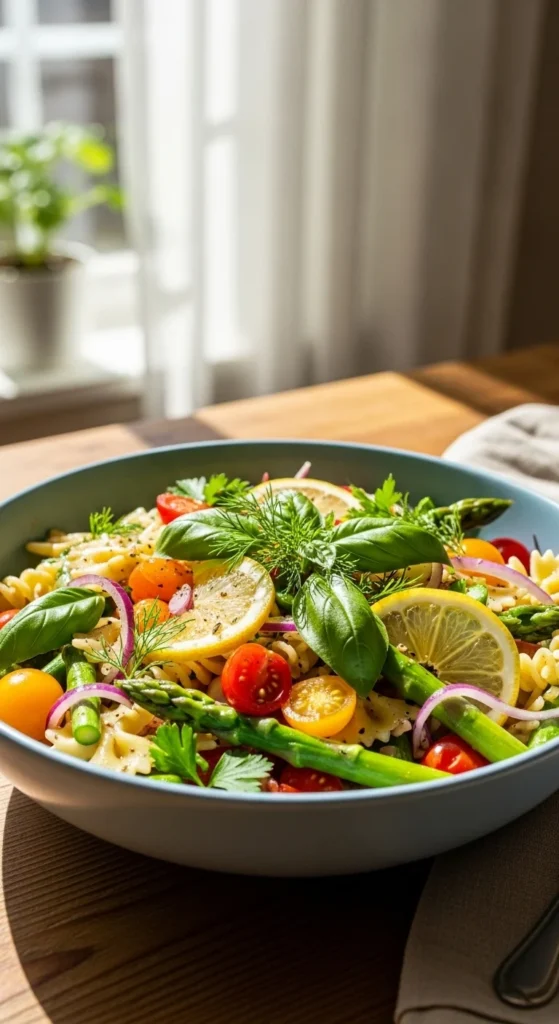
Let’s walk through how to make spring pasta that tastes fresh, seasonal, and totally crave-worthy.
Start With Seasonal Spring Ingredients
Spring pasta is all about what’s fresh right now. Seasonal produce is naturally lighter and sweeter, which makes your pasta feel refreshing.
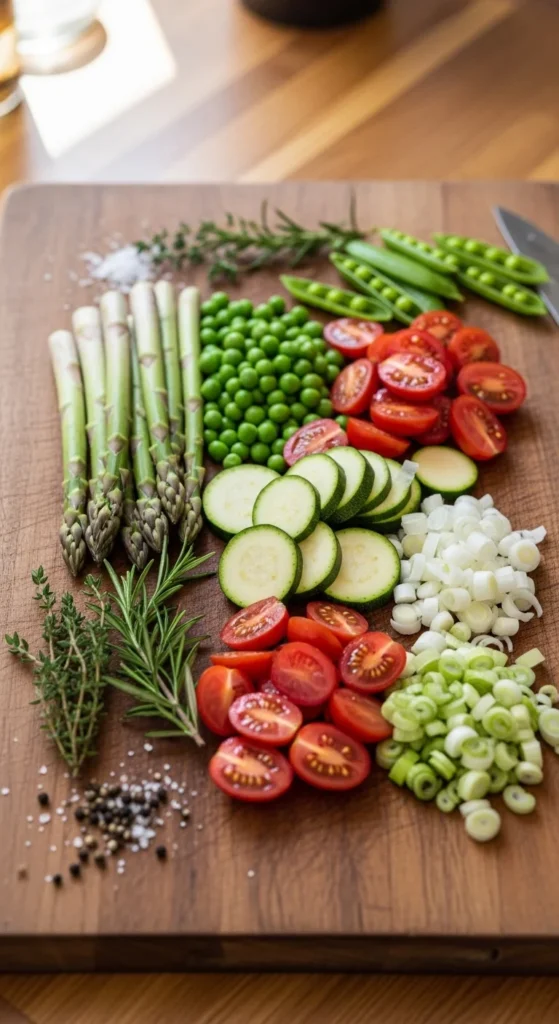
Top spring vegetables for pasta:
- Asparagus
- Peas (fresh or frozen)
- Spinach or arugula
- Zucchini
- Cherry tomatoes
- Spring onions and leeks
- Mushrooms
Why seasonal matters:
- Better flavor
- Less cooking needed
- Naturally lighter texture
Aim for vegetables that cook quickly and stay crisp.
Choose Light, Simple Sauces
Heavy cream sauces are cozy—but spring pasta calls for something brighter.
Light sauce ideas:
- Olive oil + garlic + lemon
- White wine + butter + herbs
- Tomato and basil sauce
- Ricotta or goat cheese with pasta water
- Pesto (basil, arugula, or pea pesto)
The golden rule:
Let pasta water and olive oil do most of the work. You don’t need thick sauces to make pasta delicious.
Build Flavor With Aromatics
Even light pasta needs bold flavor. Start with aromatics to create depth without heaviness.
Aromatics to use:
- Garlic
- Shallots
- Spring onions
- Chili flakes
- Lemon zest
Sauté them gently in olive oil or butter before adding veggies and pasta.
Keep Vegetables Crisp and Colorful
The fastest way to ruin spring pasta? Overcooked vegetables.
How to keep veggies fresh:
- Sauté quickly over medium-high heat
- Add tender greens at the end
- Cook vegetables separately if needed
- Use blanching for peas and asparagus
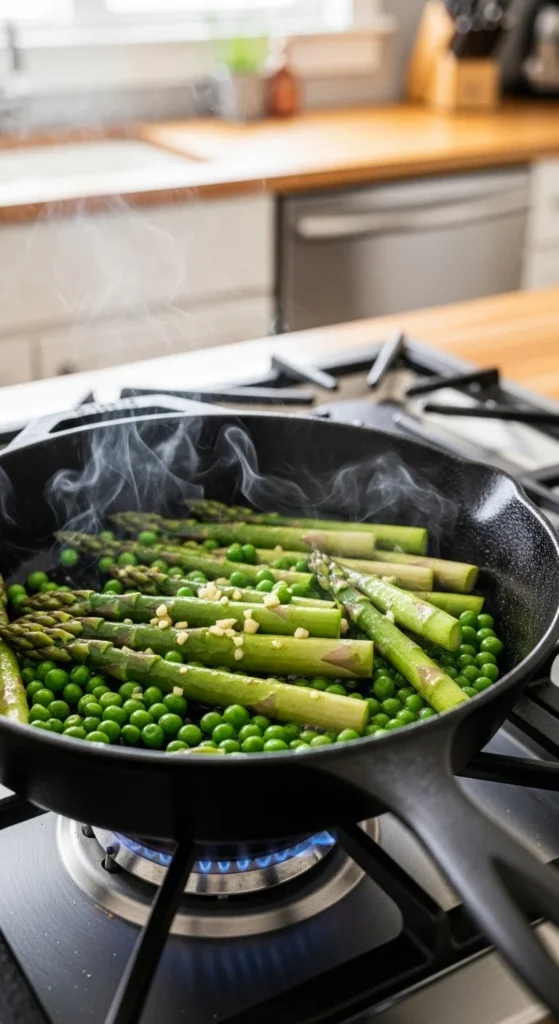
Crisp vegetables make pasta feel light, not soggy.
Pick the Right Pasta Shape
The pasta shape matters more than you think.
Best pasta for spring dishes:
- Linguine or spaghetti (great for lemon and oil sauces)
- Penne or rigatoni (holds veggies and light sauces)
- Farfalle (bowties) for salads and creamy ricotta sauces
- Orecchiette (perfect for peas and greens)
Whole wheat or fresh pasta can also add a lighter, earthy feel.
Add Protein Without Making It Heavy
You don’t need heavy meats to make pasta satisfying.
Light protein options:
- Shrimp or scallops
- Grilled chicken
- White beans or chickpeas
- Burrata or fresh mozzarella
- Ricotta or goat cheese
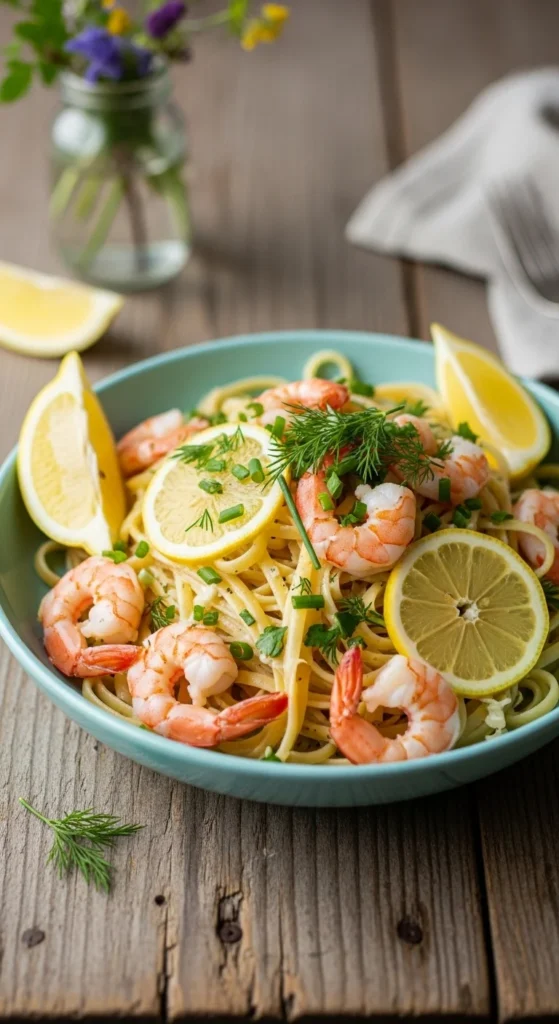
Keep portions moderate so the dish stays light.
Finish With Fresh Herbs and Greens
Fresh herbs are what make spring pasta taste alive.
Best herbs for spring pasta:
- Basil
- Parsley
- Dill
- Mint
- Chives
Add herbs at the very end so they stay bright and fragrant.
Extra greens to toss in:
- Arugula
- Spinach
- Microgreens
They wilt slightly from the heat of the pasta and add freshness.
Brighten With Acid and Olive Oil
A little acidity transforms pasta.
Use:
- Lemon juice or zest
- White wine vinegar
- A drizzle of high-quality olive oil
Add acid at the end to lift flavors and keep everything tasting fresh.
Easy Spring Pasta Formula (Mix & Match)
Use this simple formula to build endless spring pasta recipes:
- Boil pasta in salted water
- Sauté aromatics in olive oil or butter
- Add vegetables (cook quickly)
- Toss in pasta + pasta water
- Finish with cheese, herbs, and lemon
This keeps pasta light, silky, and flavorful.
Fresh Spring Pasta Ideas to Try
Need inspiration? Try these combinations:
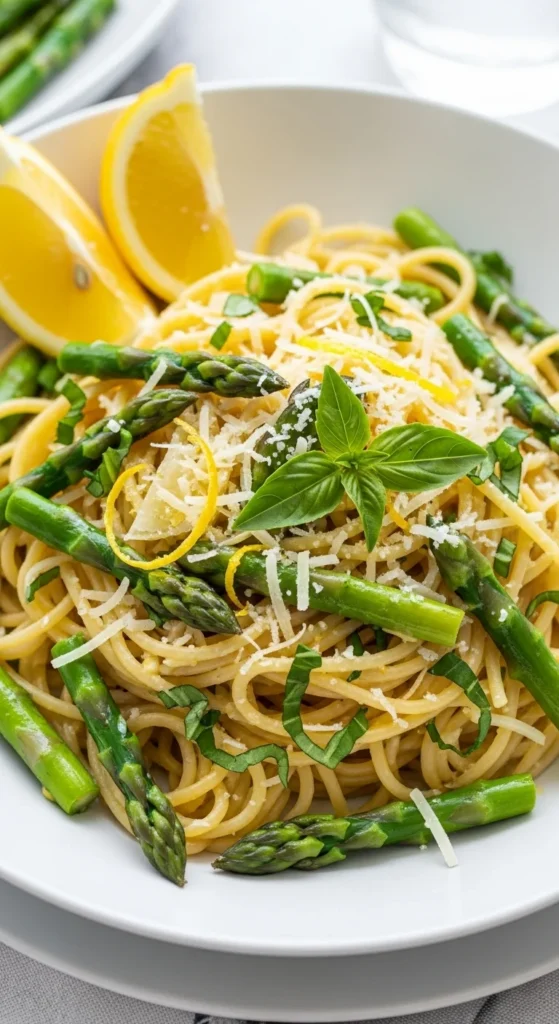
1. Lemon Asparagus Pasta
- Olive oil, garlic, asparagus, Parmesan, lemon zest
2. Pea and Ricotta Pasta
- Peas, ricotta, mint, lemon, olive oil
3. Tomato Basil Pasta
- Cherry tomatoes, garlic, basil, mozzarella
4. Shrimp and Zucchini Pasta
- Shrimp, zucchini ribbons, garlic, lemon butter
5. Spring Green Pesto Pasta
- Arugula or basil pesto, peas, cherry tomatoes
Tips to Keep Pasta Light (Not Heavy)
Pasta can feel heavy fast. These tips keep it fresh and balanced:
- Use less pasta, more vegetables
- Skip heavy cream sauces
- Use pasta water instead of extra butter
- Finish with herbs instead of extra cheese
- Serve slightly smaller portions with a salad
Light pasta is about balance, not restriction.
How to Serve Spring Pasta Beautifully
Presentation makes your pasta feel restaurant-level.
Try:
- Twirling pasta into nests with tongs
- Garnishing with herbs and lemon slices
- Adding shaved Parmesan or burrata on top
- Drizzling olive oil right before serving
Little touches make a simple dish feel elegant.
Final Takeaway
Spring pasta should feel fresh, bright, and effortless. Focus on seasonal vegetables, light sauces, fresh herbs, and a splash of lemon. Skip heavy creams and overloads of cheese, and let simple ingredients shine.
With these tips, you can make pasta that feels cozy but never heavy—perfect for warm days and cool spring nights.
Save this guide for later and start creating your own spring pasta masterpieces!
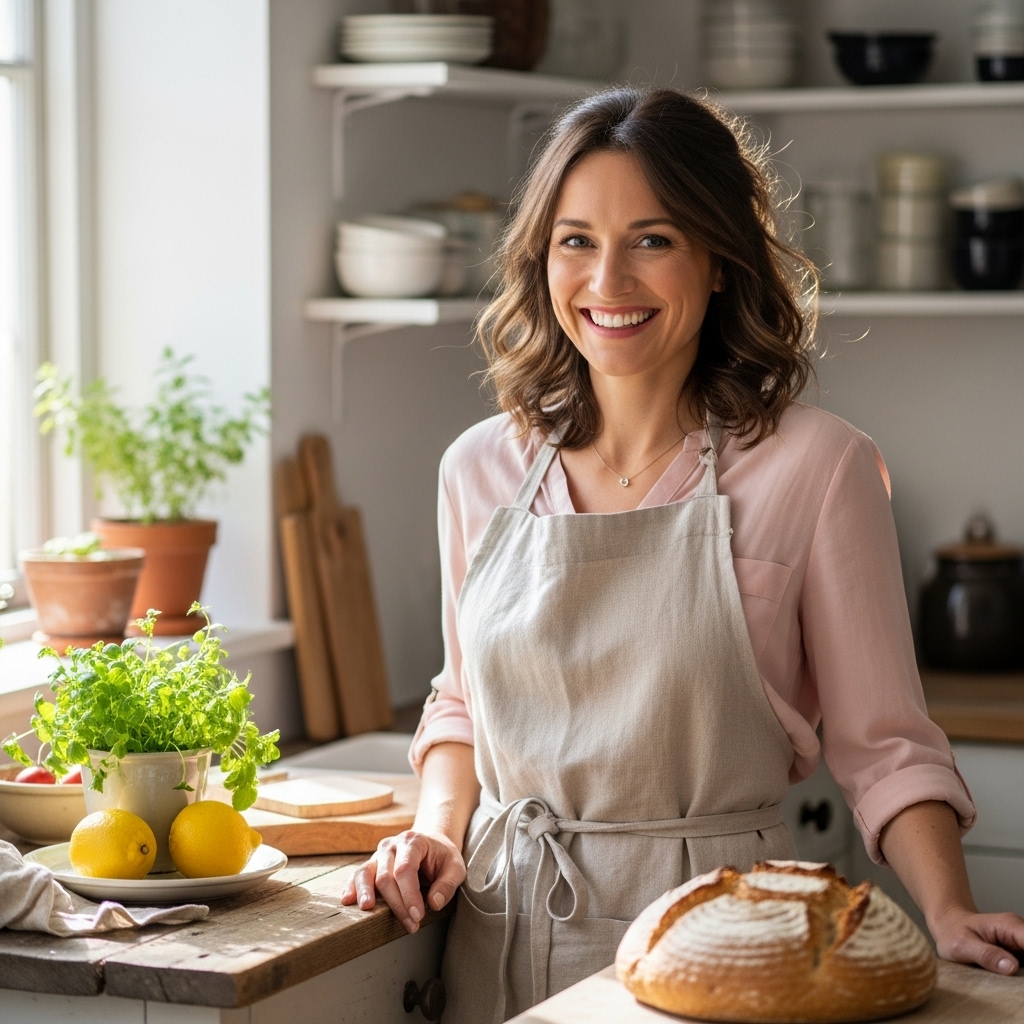
Hannah Collins is a passionate home cook and food storyteller who believes every recipe tells a little love story. At TastyWriter, she shares simple, delicious recipes made for real kitchens and busy days — from cozy comfort dishes to creative new favorites. When she’s not cooking, you’ll find her photographing food, testing family recipes, or sipping tea while dreaming up her next tasty idea.
Leave a Reply