

Creamy salads sound comforting, but spring calls for something lighter. The good news? You don’t need mayo-loaded dressings or thick creams to get that rich, satisfying texture. With the right ingredients and a few smart tricks, you can make spring salads that feel creamy, fresh, and indulgent—without weighing you down.
This guide walks you through simple ways to create creamy spring salads that still feel bright and energising.
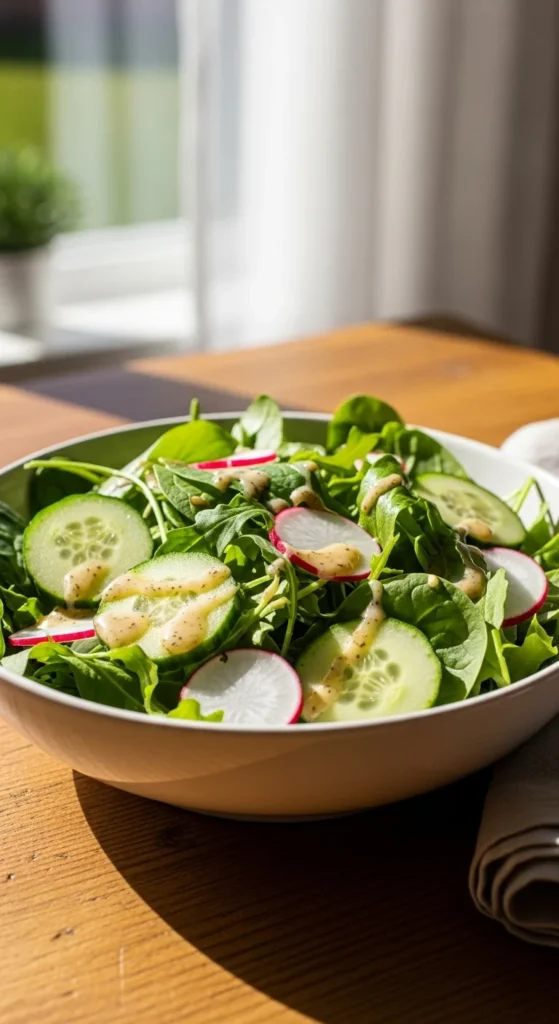
Rethink What “Creamy” Really Means
Creamy doesn’t have to mean heavy. It’s more about texture than fat.
Light creamy elements come from:
- Yogurt
- Avocado
- Tahini
- Soft cheeses in small amounts
- Blended vegetables
These ingredients coat the salad gently instead of drowning it.
Mindset shift: You’re aiming for smooth and satisfying, not thick and sticky.
Use Yogurt as a Base Instead of Mayo
Plain yogurt is one of the easiest swaps for traditional creamy dressings. It adds richness with a fresh, tangy finish.
How to use it:
- Start with plain Greek or natural yogurt
- Thin it slightly with lemon juice or water
- Season with salt, pepper, and herbs
Quick yogurt dressing ideas:
- Yogurt + lemon + garlic
- Yogurt + mustard + honey
- Yogurt + dill + olive oil
This works especially well with crunchy spring vegetables.
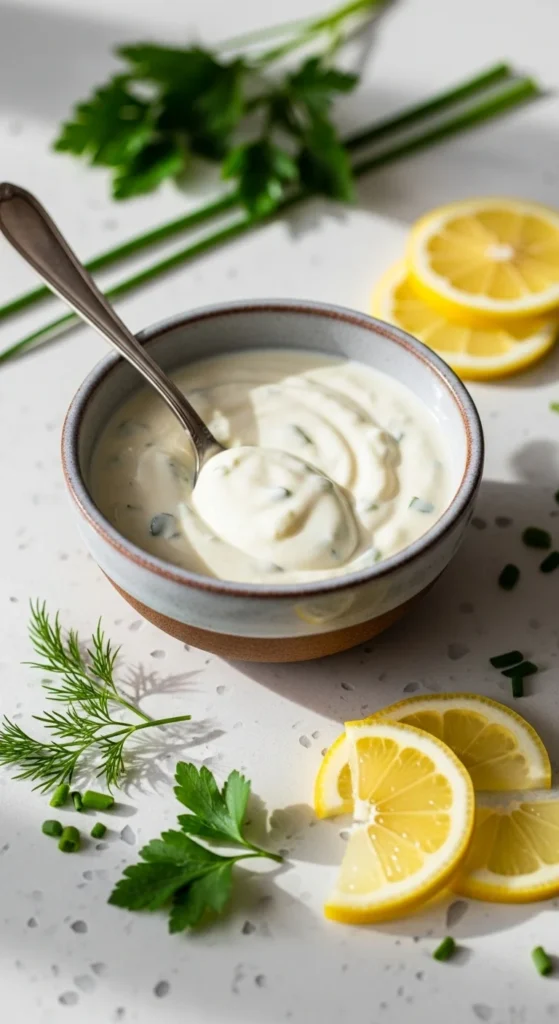
Let Avocado Do the Creamy Work
Avocado creates instant creaminess without any dairy. When blended or mashed, it turns silky and rich.
Ways to use avocado in salads:
- Blend with lemon juice and olive oil
- Mash and toss directly with greens
- Use as a base for green goddess–style dressings
Avocado pairs beautifully with spring produce like cucumbers, peas, and asparagus.
Tip: Add acid (lemon or vinegar) to keep avocado dressing bright and fresh.
Build Creaminess Into the Salad, Not Just the Dressing
Sometimes the salad itself provides the creamy feel—no heavy dressing needed.
Add-ins that create natural creaminess:
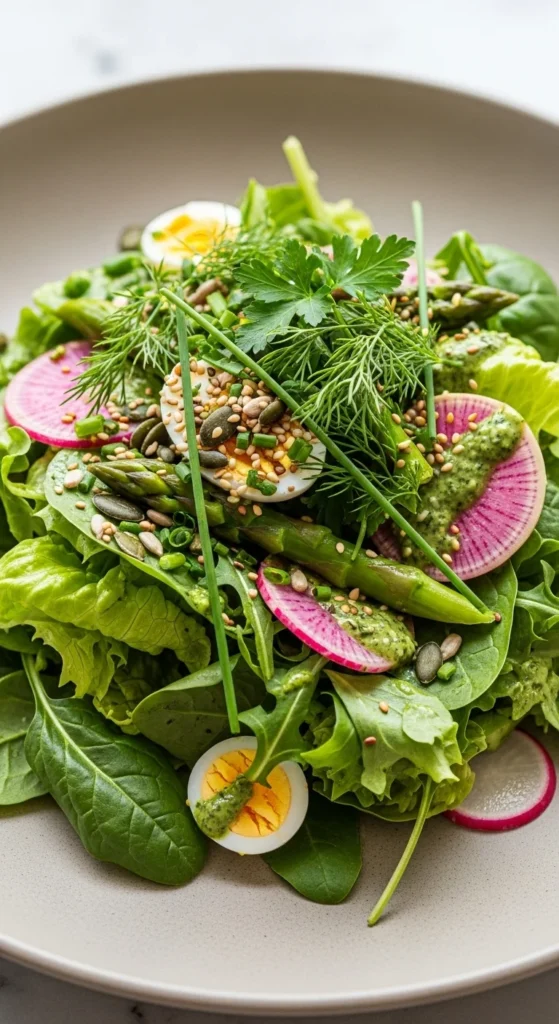
- Soft-boiled eggs
- Roasted new potatoes
- Chickpeas or white beans
- Fresh mozzarella or feta (small amounts)
These ingredients make salads more filling while keeping the dressing light.
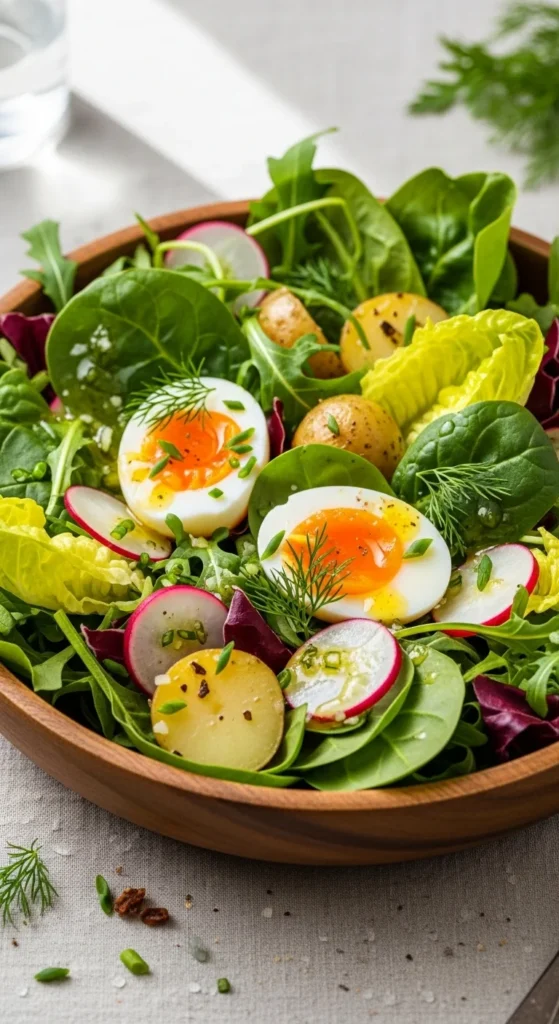
Balance Creamy With Crunch and Acid
Creamy salads taste best when balanced. Without contrast, they can feel flat.
Always include:
- Something crunchy (nuts, seeds, raw veg)
- Something acidic (lemon, vinegar, pickles)
Examples:
- Yogurt dressing + toasted almonds
- Avocado dressing + radishes
- Tahini dressing + lemony greens
This balance keeps each bite interesting and fresh.
Try Tahini for a Dairy-Free Creamy Texture
Tahini is made from sesame seeds and becomes creamy when mixed with liquid. It’s rich, nutty, and surprisingly light when used correctly.
Simple tahini dressing:
- Tahini
- Lemon juice
- Water
- Salt
Whisk until smooth and drizzle lightly over salads.
Tahini works especially well with:
- Roasted vegetables
- Leafy greens
- Grain-based spring salads
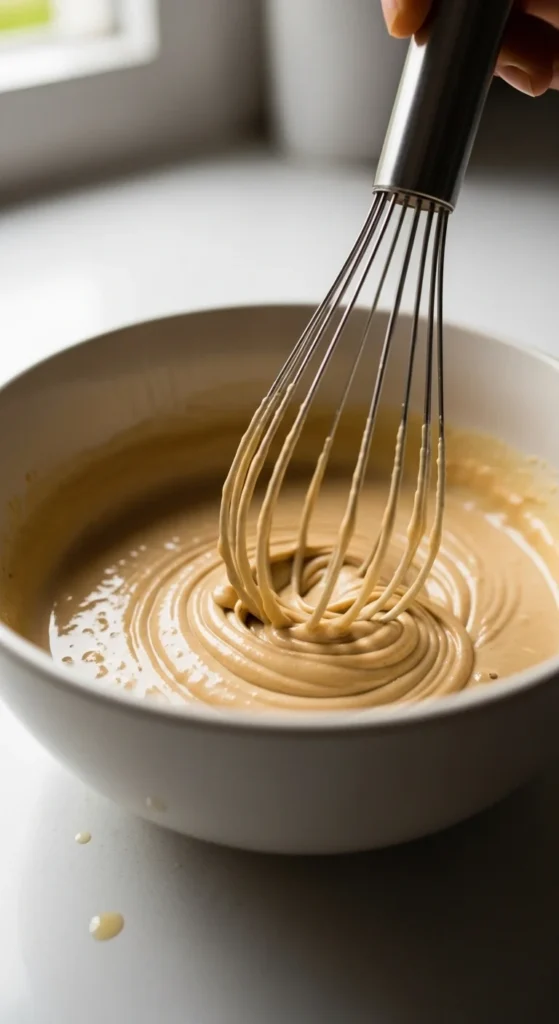
Use Less Dressing Than You Think You Need
One of the biggest mistakes with creamy salads is overdressing. Even light dressings can overwhelm fresh greens.
Better approach:
- Start with a small amount
- Toss thoroughly
- Add more only if needed
A thin coating is enough to make everything taste cohesive.
Pro tip: Toss salads while ingredients are still slightly warm. They absorb dressing better.
Finish With Fresh Herbs for a Light Feel
Fresh herbs lift creamy salads and keep them from feeling heavy.
Great spring herbs for salads:
- Parsley
- Dill
- Chives
- Basil
Chop them finely and sprinkle on top just before serving.
Herbs add aroma and freshness without adding calories or weight.
Keep It Flexible and Enjoyable
Creamy spring salads don’t need strict rules. Mix and match based on what you have.
Think in layers:
- Greens or base
- Creamy element
- Crunch
- Acid
- Fresh finish
When salads feel satisfying and flavourful, you won’t miss heavy dressings at all.
Final Takeaway
Creamy spring salads are all about smart choices. Swap heavy bases for yogurt or avocado. Build texture into the salad itself. Balance creaminess with crunch and acid. The result is a salad that feels rich, fresh, and easy to enjoy.
Save this guide for later and make your spring salads lighter—but just as satisfying.

Hannah Collins is a passionate home cook and food storyteller who believes every recipe tells a little love story. At TastyWriter, she shares simple, delicious recipes made for real kitchens and busy days — from cozy comfort dishes to creative new favorites. When she’s not cooking, you’ll find her photographing food, testing family recipes, or sipping tea while dreaming up her next tasty idea.
Leave a Reply