

Spring salads are crisp, colorful, and full of promise—until they wilt into a soggy mess by the next day. We’ve all been there: you prep a gorgeous bowl of greens, only to find sad, limp leaves hours later. The good news? Fresh spring salads can last for days if you know a few smart tricks.
This guide will show you how to build spring salads that stay fresh, crunchy, and crave-worthy—perfect for meal prep, quick lunches, or stress-free dinners.
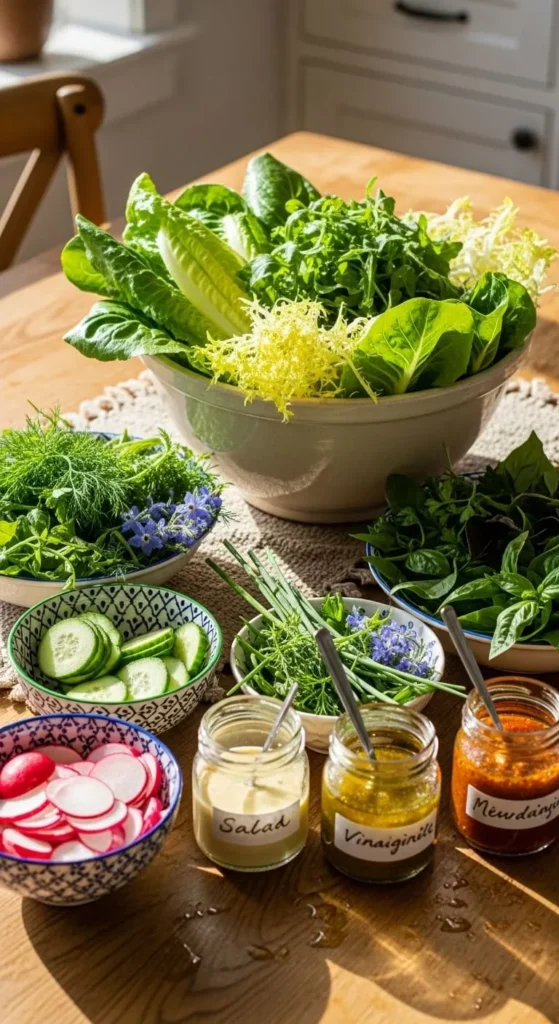
Start With the Right Greens (It Matters More Than You Think)
Not all greens are created equal when it comes to staying power.
Best greens for long-lasting spring salads:
- Romaine
- Butter lettuce
- Little gem
- Baby kale
- Arugula (when properly dried)
More delicate greens like spinach or spring mix can still work, but they need extra care.
Pro tips:
- Choose greens that feel crisp, not floppy
- Avoid pre-dressed or overly compacted greens
- Store them cold until you’re ready to prep
The fresher the greens at the start, the longer your salad will last.
Wash and Dry Like a Pro
Moisture is the enemy of lasting salads. Even slightly damp greens will wilt fast.
The best way to prep greens:
- Wash thoroughly in cold water
- Lift greens out instead of pouring (dirt sinks!)
- Spin dry using a salad spinner
- Lay out on a clean towel to air-dry for 10–15 minutes
[Image Prompt] Fresh lettuce leaves drying on a clean kitchen towel near a sunlit window.
Extra tip:
If the greens still feel damp, they’re not ready. Dry greens = longer life.
Build Your Salad in Smart Layers
How you assemble your salad is just as important as what goes into it.
Layering rule of thumb:
- Sturdy base (greens, grains)
- Dry vegetables (radishes, carrots, cucumbers)
- Proteins (chicken, chickpeas, eggs)
- Wet ingredients (tomatoes, fruit)
- Crunchy toppings (nuts, seeds, croutons)
Keeping wetter ingredients away from greens helps prevent sogginess.
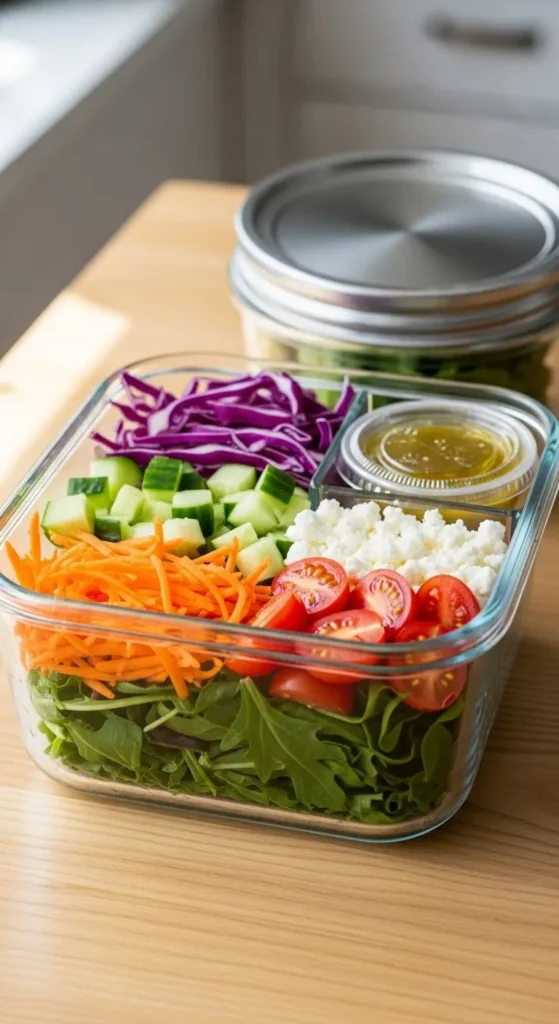
Keep Dressing Separate (Always)
This one rule alone can double your salad’s lifespan.
Why dressing ruins salads:
- Acid breaks down greens
- Oil traps moisture
- Salt pulls water out of vegetables
What to do instead:
- Store dressing in a small jar or container
- Add just before eating
- Shake or toss right when serving
If you must pre-dress (hello, packed lunches), use sturdier greens like kale and massage them lightly with dressing.
Choose Ingredients That Age Gracefully
Some salad ingredients get better with time, while others don’t.
Long-lasting salad add-ins:
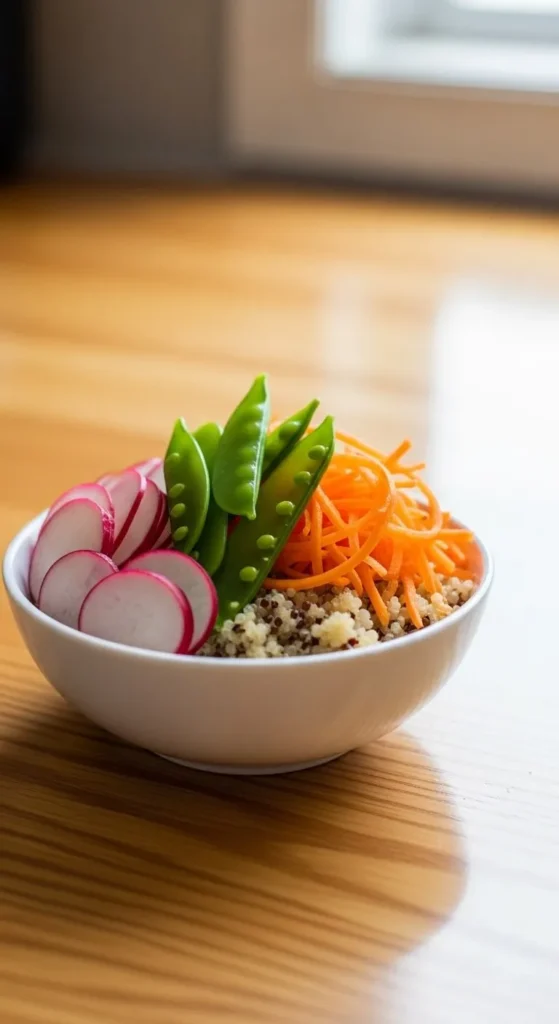
- Shredded carrots
- Radishes
- Snap peas
- Roasted or blanched vegetables
- Grains like quinoa or farro
Ingredients to add last-minute:
- Avocado
- Soft cheeses
- Fresh fruit
- Herbs
Knowing what holds up helps you plan smarter salads for the week.
Use the Right Containers
Your container choice can make or break your salad.
Best options:
- Airtight glass containers
- Mason jars for layered salads
- Containers with built-in compartments
Storage tips:
- Add a paper towel on top to absorb moisture
- Don’t overpack—greens need breathing room
- Store salads on the middle shelf (not the fridge door)
A little airflow control goes a long way.
Refresh Before Serving
Even well-stored salads sometimes need a quick revival.
Easy ways to refresh:
- Toss with fresh herbs
- Add a squeeze of lemon
- Sprinkle flaky salt
- Add a handful of fresh greens
This brings back brightness and crunch in seconds.
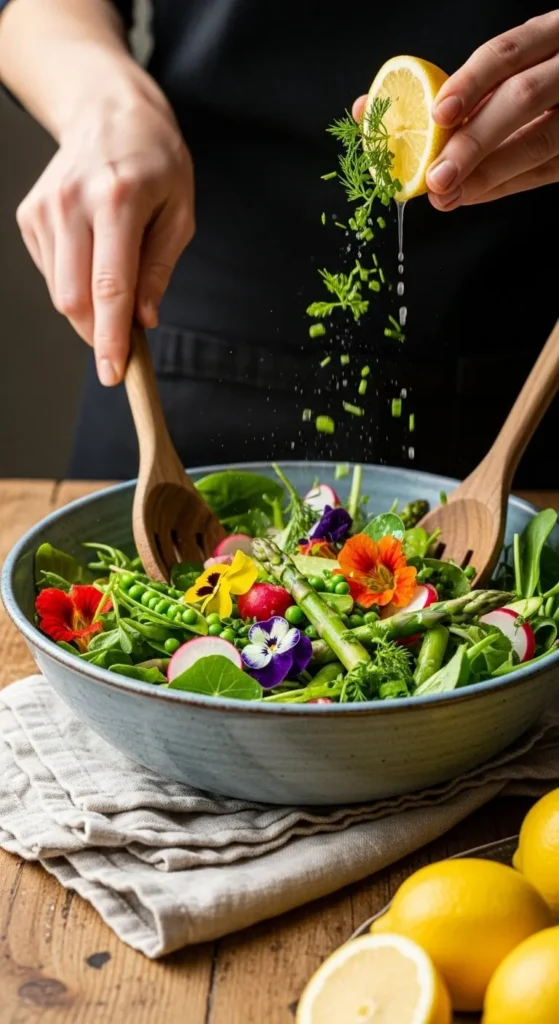
Final Takeaway
Fresh spring salads don’t have to be a same-day-only affair. With the right greens, smart prep, and thoughtful storage, you can enjoy vibrant, crisp salads all week long—no sogginess required.
Save this guide for later, and make your spring salads last as long as your cravings do 🥗🌸

Hannah Collins is a passionate home cook and food storyteller who believes every recipe tells a little love story. At TastyWriter, she shares simple, delicious recipes made for real kitchens and busy days — from cozy comfort dishes to creative new favorites. When she’s not cooking, you’ll find her photographing food, testing family recipes, or sipping tea while dreaming up her next tasty idea.
Leave a Reply