

Spring salads have a reputation problem. They look beautiful, taste fresh… and somehow leave you hungry an hour later. If you’ve ever finished a big bowl of greens only to start snacking soon after, this guide is for you. The secret to a satisfying spring salad isn’t piling on more lettuce—it’s building the bowl the right way.
Here’s how to make healthy spring salads that feel light, nourishing, and genuinely filling.
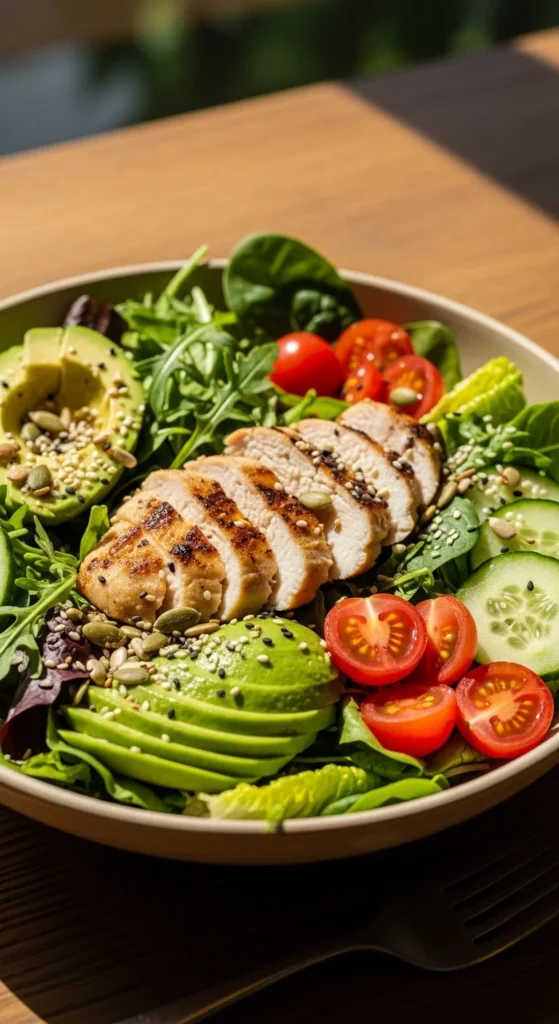
Start With Greens That Have Substance
Not all greens are created equal. While delicate spring mixes look pretty, they often lack staying power on their own.
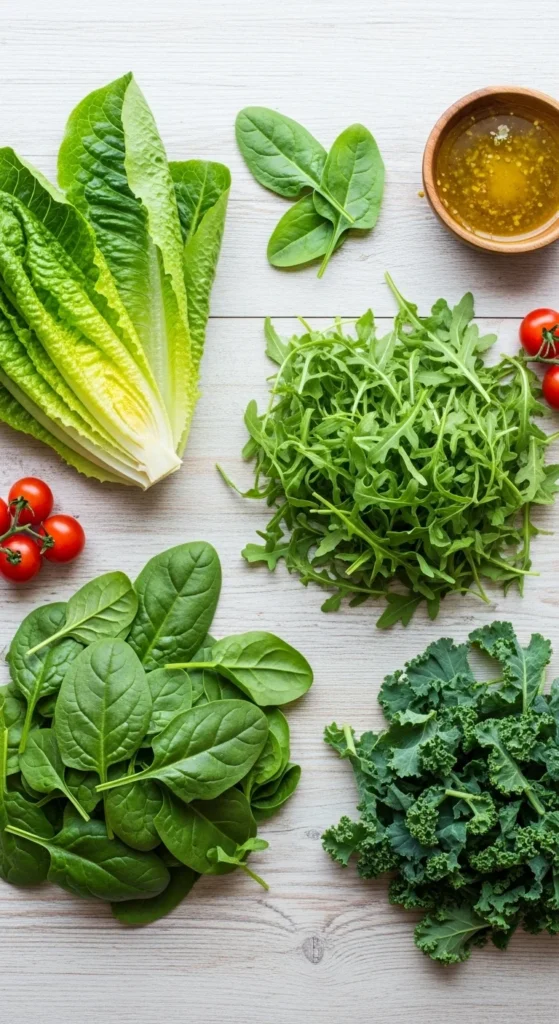
Choose a sturdy base:
- Romaine for crunch and structure
- Baby kale for fiber and chew
- Arugula for a peppery bite
- Spinach for softness with nutrients
You can also mix textures:
- One sturdy green
- One tender green
This combo keeps your salad interesting and slows digestion, helping you stay full longer.
Always Add Protein (No Exceptions)
Protein is what turns a salad into a meal. Without it, your body burns through the greens fast and asks for more food soon after.
Easy spring-friendly protein ideas:
- Grilled chicken or turkey
- Salmon or tuna
- Hard-boiled or soft-boiled eggs
- Chickpeas or lentils
- Tofu or tempeh
Aim for:
- A palm-sized portion for animal protein
- About ¾ to 1 cup for plant-based protein
Protein adds weight, texture, and real satisfaction to your salad.
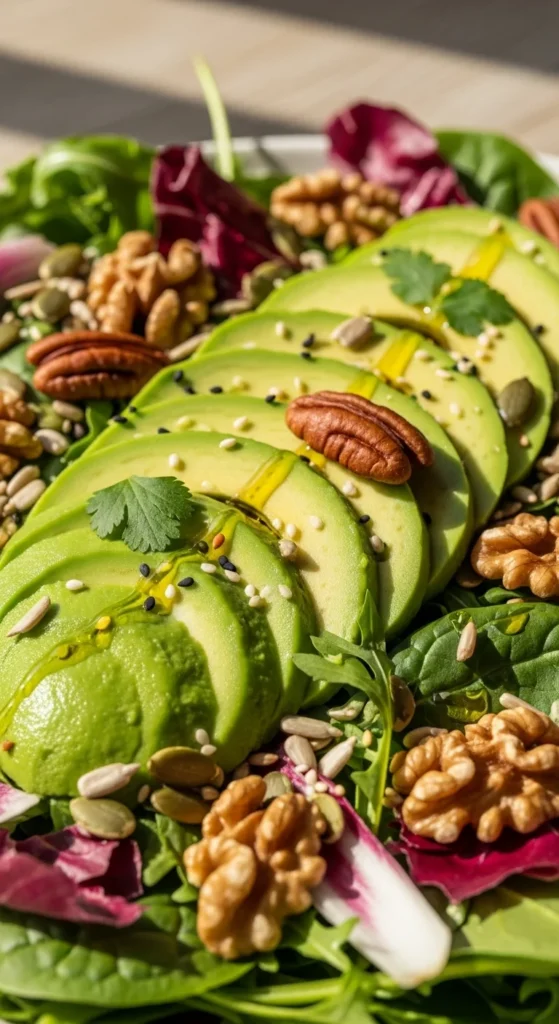
Don’t Fear Healthy Fats
Fat is not the enemy—it’s what makes salads satisfying. A fat-free salad often equals a hunger crash.
Add one or two healthy fats:
- Avocado slices
- Olive oil–based dressing
- Nuts like almonds or walnuts
- Seeds like pumpkin or sunflower
These fats:
- Help absorb vitamins
- Add richness
- Keep you feeling full longer
Just be mindful of portions. A little goes a long way.
Bulk It Up With Smart Carbs
Carbs aren’t bad. The right carbs actually make salads more filling and balanced.
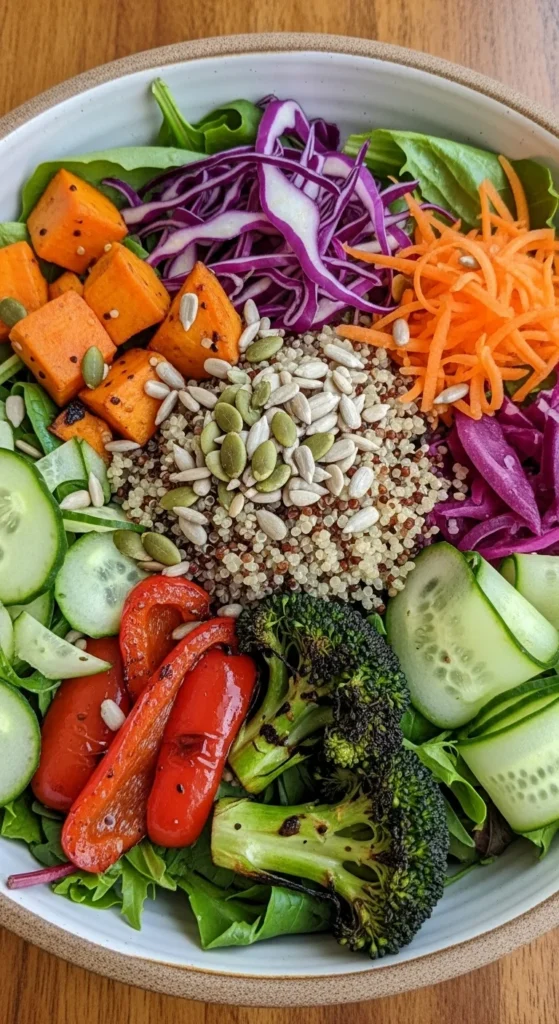
Spring-friendly carb add-ins:
- Quinoa
- Farro
- Roasted sweet potatoes
- Brown rice
- Fresh peas or corn
These add:
- Texture
- Warmth
- Long-lasting energy
Tip: Keep carbs warm and greens cool. The contrast makes the salad more satisfying and comforting.
Layer Crunch and Texture
A filling salad should never feel boring. Texture keeps you engaged and slows eating, which helps fullness cues kick in.
Add crunch with:
- Radishes
- Cucumbers
- Snap peas
- Toasted seeds
- Roasted chickpeas
Try mixing:
- Raw veggies
- Roasted veggies
- Something creamy
- Something crunchy
Each bite should feel different.
Use Dressing Strategically
Dressing can make or break a salad. Too little and it feels dry. Too much and it becomes heavy.
Smart dressing tips:
- Toss greens lightly before adding toppings
- Use vinaigrettes instead of thick creamy dressings
- Balance acid, fat, and salt
Simple spring dressing formula:
- Olive oil
- Lemon juice or vinegar
- Dijon mustard
- Salt and pepper
You want enough flavor to enjoy every bite—not drown it.
Build the Salad in the Right Order
Yes, order matters.
Follow this layering method:
- Greens
- Protein
- Warm grains or roasted veggies
- Crunchy vegetables
- Healthy fats
- Dressing
This keeps everything evenly coated and prevents soggy greens.
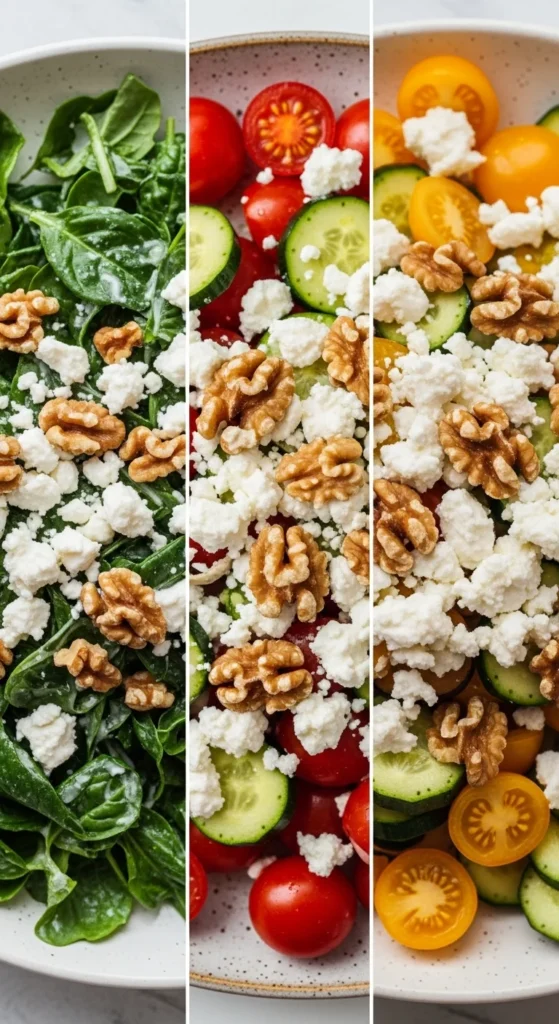
Make It Feel Like a Real Meal
A salad should feel intentional, not like an afterthought.
To make it meal-worthy:
- Use a large bowl
- Serve it on a plate, not in a container
- Sit down and eat without rushing
Pair it with:
- Sparkling water
- Herbal tea
- Fresh fruit on the side
Eating mindfully helps your body recognize fullness faster.
Final Takeaway
Healthy spring salads don’t have to leave you hungry. When you combine sturdy greens, protein, healthy fats, smart carbs, and texture, salads become satisfying meals—not just side dishes. Build them with balance, flavor, and intention, and you’ll stay full and energized for hours.
Save this guide for later and start enjoying spring salads that actually work for you.
Hannah Collins is a passionate home cook and food storyteller who believes every recipe tells a little love story. At TastyWriter, she shares simple, delicious recipes made for real kitchens and busy days — from cozy comfort dishes to creative new favorites. When she’s not cooking, you’ll find her photographing food, testing family recipes, or sipping tea while dreaming up her next tasty idea.
Leave a Reply