

Spring produce is special.
It’s bright, tender, and packed with fresh flavor—but only if you cook it correctly.
Overcook it, and you lose the sweetness.
Undercook it, and it can taste raw and bland.
The secret? Gentle heat, simple seasonings, and letting the ingredients shine.
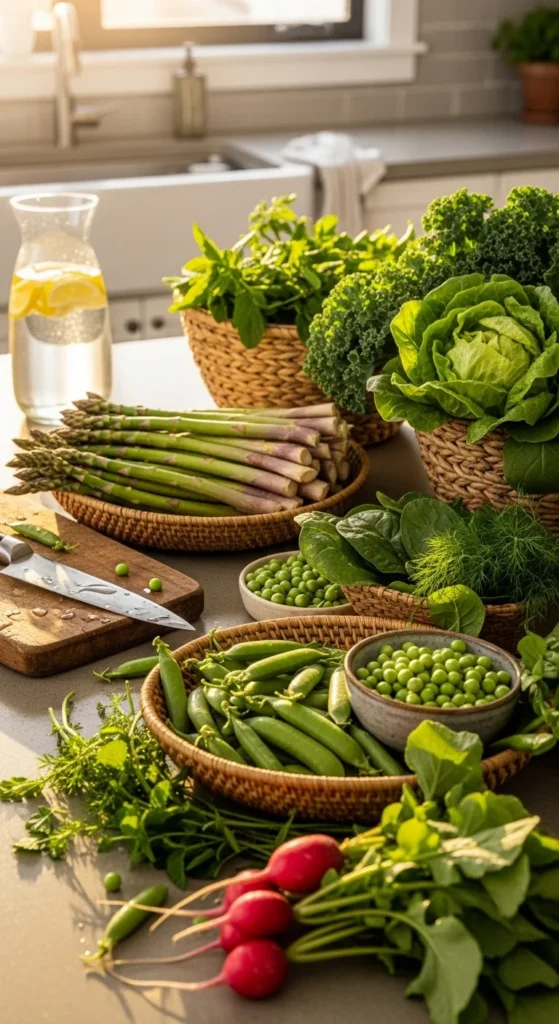
Let’s break down how to cook seasonal spring produce so it stays vibrant, flavorful, and irresistible.
Know What’s in Season During Spring
Spring produce is lighter and more delicate than winter vegetables. Understanding what’s in season helps you choose the right cooking methods.
Common spring vegetables and fruits:
- Asparagus
- Peas and snow peas
- Radishes
- Spinach, arugula, and kale
- Leeks and spring onions
- Artichokes
- Fava beans
- Strawberries and rhubarb
Spring produce cooks fast and doesn’t need heavy sauces or long cooking times.
Use Gentle Cooking Methods
Spring vegetables shine with light, quick cooking. Heavy roasting and long braises can overpower their natural sweetness.
Best cooking methods for spring produce:
- Sautéing
- Steaming
- Blanching
- Light roasting
- Grilling
Avoid:
- Long boiling
- Deep frying
- Heavy stews (unless it’s still chilly outside)
Think fresh, fast, and simple.
Blanching: The Secret to Bright Color and Sweetness
Blanching is one of the best techniques for spring vegetables like peas, asparagus, and green beans.
How to blanch spring produce:
- Bring salted water to a boil.
- Add vegetables for 1–2 minutes.
- Transfer immediately to ice water.
- Drain and toss with olive oil or butter.
Why blanching works:
- Locks in color
- Preserves sweetness
- Keeps veggies crisp
It’s perfect for salads, sides, and pasta dishes.
Sautéing for Flavor Without Heaviness
Sautéing is ideal when you want flavor without heaviness.
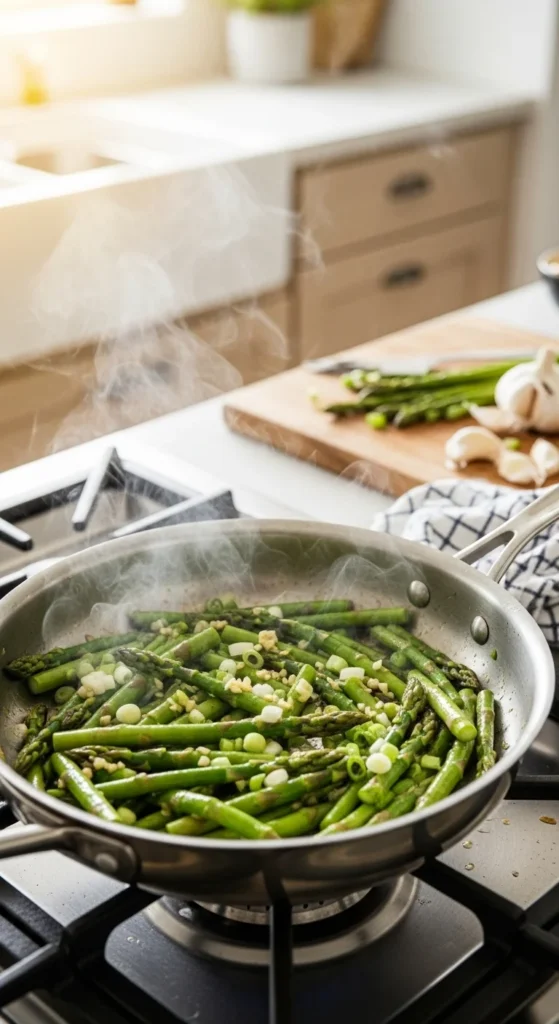
How to sauté spring vegetables:
- Heat olive oil or butter in a pan.
- Add garlic, shallots, or spring onions.
- Toss vegetables in for 2–5 minutes.
- Season with salt, pepper, and lemon juice.
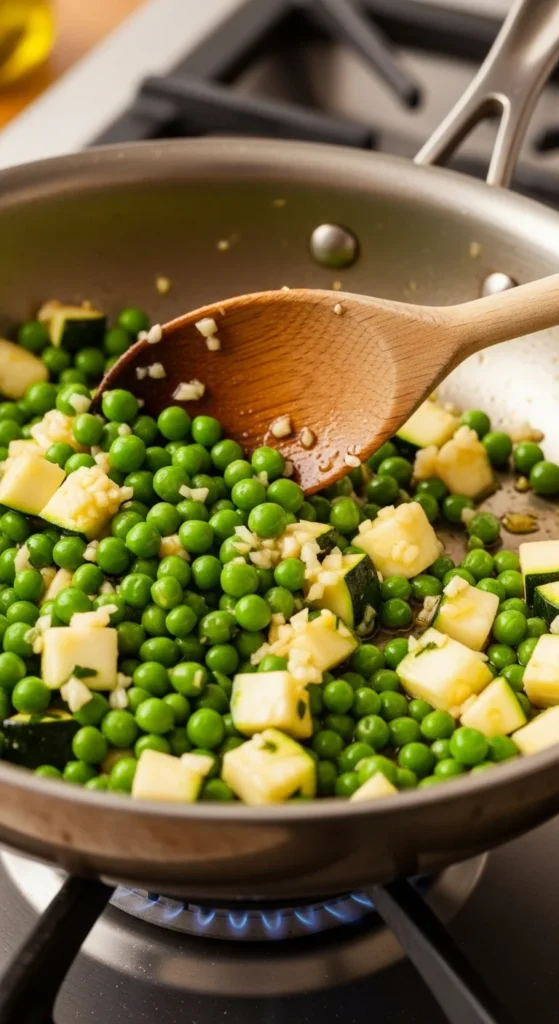
Keep the heat medium-high and the cooking time short.
Brighten Everything With Acid
Spring produce loves acidity. A splash of acid wakes up flavors and keeps dishes tasting fresh.
Great acidic finishes:
- Lemon juice or zest
- White wine vinegar
- Apple cider vinegar
- A spoon of yogurt or crème fraîche
Add acid at the end to preserve flavor and color.
Use Fresh Herbs Like a Pro
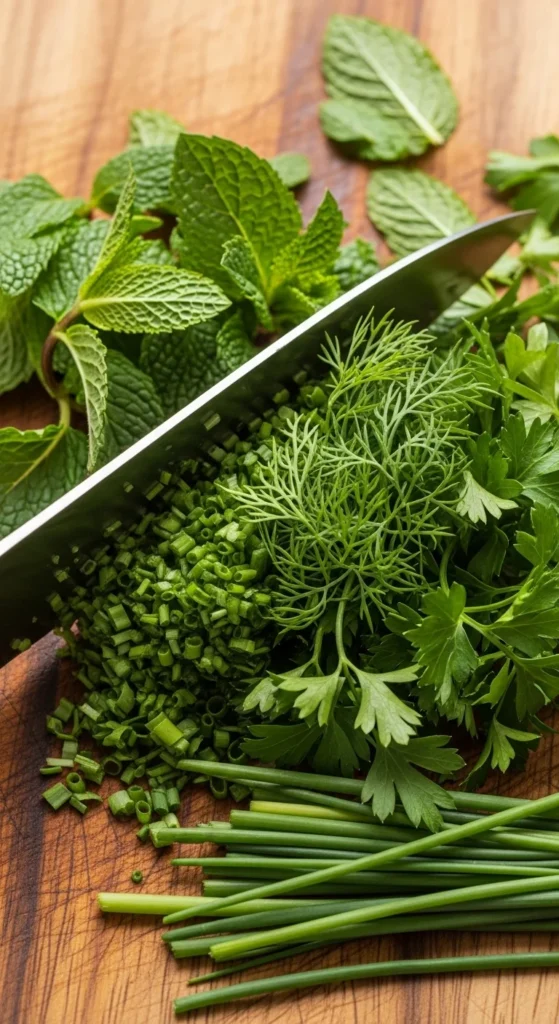
Fresh herbs are what make spring dishes taste like spring.
Best herbs for spring produce:
- Mint
- Dill
- Parsley
- Basil
- Chives
- Cilantro
How to use herbs:
- Add at the end of cooking
- Sprinkle on top before serving
- Mix into salads or sauces
Herbs add brightness without extra calories or heaviness.
Add Fat for Flavor (But Keep It Light)
Spring cooking isn’t about skipping fat—it’s about using it wisely.
Light fats that pair well with spring produce:
- Olive oil
- Butter
- Avocado oil
- Sesame oil (for Asian-inspired dishes)
Fat helps vegetables taste richer and more satisfying. Just use a light hand.
Let Produce Be the Star
Spring vegetables and fruits are delicate, so avoid drowning them in sauces or spices.
Simple flavor pairings that work:
- Butter + lemon
- Olive oil + garlic
- Yogurt + herbs
- Parmesan + black pepper
- Honey + vinegar (for spring fruits)
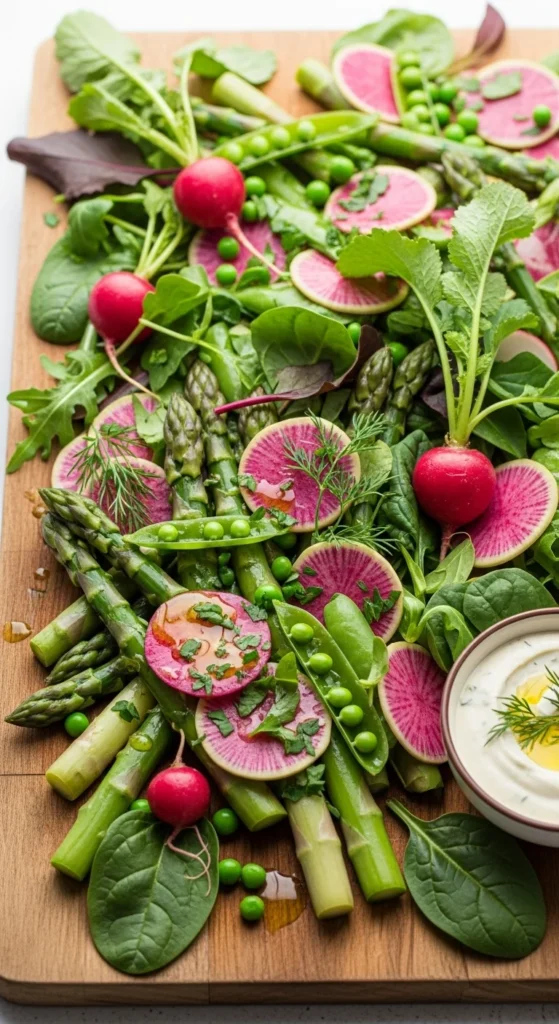
Keep the ingredient list short so natural flavors shine.
Cooking Spring Fruits the Right Way
Spring fruits like strawberries and rhubarb are sweet and tart. They need gentle handling too.
Tips for spring fruits:
- Avoid long cooking times (they break down fast).
- Use light sweeteners like honey or maple syrup.
- Pair with citrus or vanilla for depth.
- Roast briefly or serve fresh for best flavor.
Fresh spring fruit often tastes best with minimal cooking.
Simple Spring Cooking Formula
Use this formula for almost any spring produce dish:
- Prep produce (wash, trim, cut evenly).
- Choose a light cooking method (blanch, sauté, grill).
- Season simply (salt, pepper, olive oil).
- Add herbs and acid at the end.
- Finish with a touch of fat or cheese.
This method keeps dishes fresh, bright, and restaurant-worthy.
Common Mistakes to Avoid
Spring produce is easy to mess up. Avoid these mistakes:
- Overcooking: Makes veggies mushy and dull.
- Too much seasoning: Overpowers delicate flavors.
- Skipping salt: Salt brings out sweetness.
- Adding acid too early: Can dull color and slow cooking.
- Crowding the pan: Causes steaming instead of browning.
Less is more with spring cooking.
Easy Spring Produce Dish Ideas
Need inspiration? Try these simple ideas:
- Lemon butter asparagus with Parmesan
- Pea and mint salad with feta
- Sautéed radishes with garlic and herbs
- Spinach and spring onion omelet
- Roasted strawberries with yogurt and honey
Spring produce doesn’t need complicated recipes—just good technique.
Final Takeaway
Cooking seasonal spring produce the right way is about respecting its freshness. Use gentle heat, simple flavors, fresh herbs, and a splash of lemon. Let the vegetables and fruits speak for themselves, and you’ll get bright, delicious dishes every time.
Save this guide for later and start cooking spring produce like a pro!

Hannah Collins is a passionate home cook and food storyteller who believes every recipe tells a little love story. At TastyWriter, she shares simple, delicious recipes made for real kitchens and busy days — from cozy comfort dishes to creative new favorites. When she’s not cooking, you’ll find her photographing food, testing family recipes, or sipping tea while dreaming up her next tasty idea.
Leave a Reply