

There’s something deeply comforting about sipping warm broth on a cold winter day. It’s simple, soothing, and feels like the kind of nourishment your body instinctively understands. Winter broth isn’t just food—it’s wellness in a mug. Whether you’re fighting off a chill, recovering from a long week, or craving something gentle and warm, a homemade winter broth can feel almost healing.
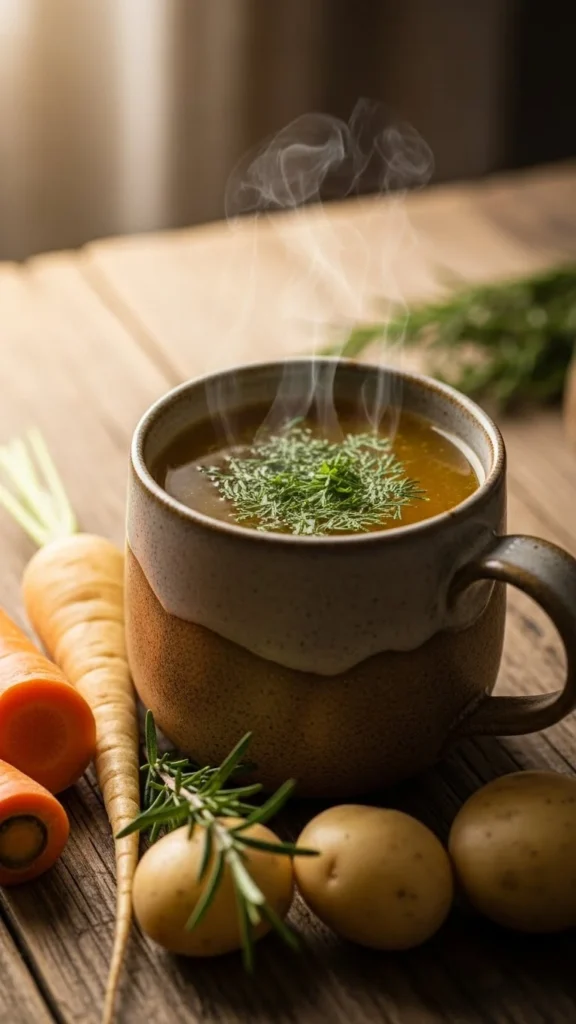
If you’re looking to create a broth that feels restorative, cozy, and full of nourishing flavor, this guide walks you through everything you need.
Start With Nourishing Winter Ingredients
A healing broth begins with ingredients that offer depth, minerals, and natural comfort. Winter vegetables and aromatics add flavor while supporting hydration and warmth.
Essential broth-building vegetables:
- Carrots
- Celery
- Onions or leeks
- Garlic
- Ginger
- Parsnips
- Turnips
Healing herbs and spices:
- Bay leaves
- Thyme
- Rosemary
- Black peppercorns
- Turmeric
- Parsley
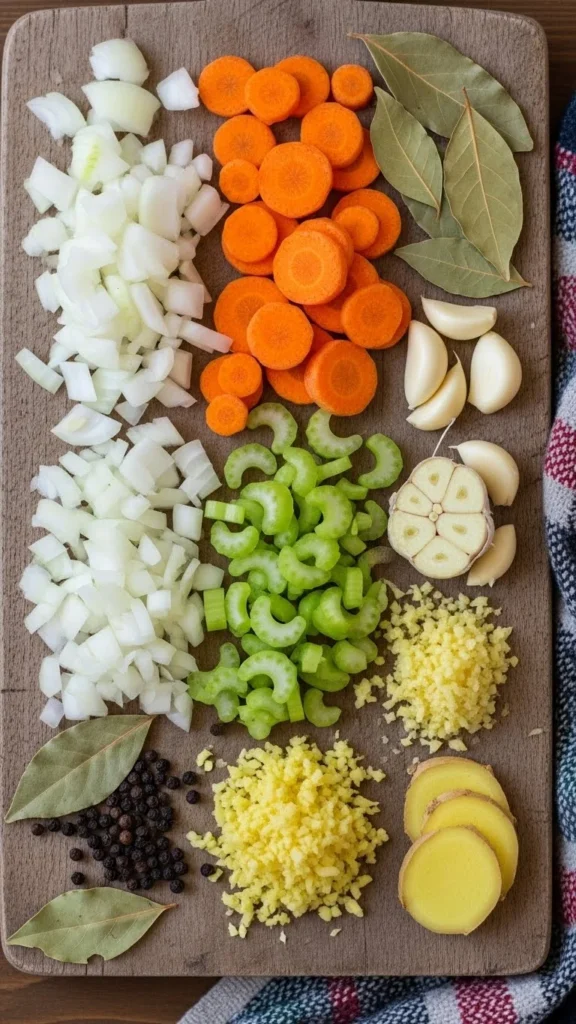
These simple ingredients create the foundation of a broth that feels earthy, soothing, and nourishing.
Pick a Base: Bone Broth, Veggie Broth, or Mixed Broth
Your chosen base determines how hearty or light your winter broth will feel.
Bone broth
Deep, rich, and full of minerals. Use:
- Chicken bones
- Beef bones
- Turkey carcass (perfect after holiday meals)
Vegetable broth
Light, clean, and ideal for daily sipping or plant-based diets. Use carrots, celery, leeks, garlic, and herbs.
Mixed broth
A combination of bones and vegetables for the best of both worlds.
Bone broth tends to taste richer, while vegetable broth feels cleansing and hydrating.
Slow Simmering Is the Secret to Healing Flavor
A good winter broth takes time. Slow simmering extracts flavor, minerals, and that comforting richness we associate with healing soups.
Steps for perfect simmering:
- Place your bones and/or vegetables in a large pot.
- Add herbs, spices, and a splash of apple cider vinegar to help extract nutrients from bones.
- Cover with water.
- Bring to a gentle boil, then reduce to a low simmer.
- Simmer:
- Bone broth: 8–12 hours
- Vegetable broth: 1–2 hours
- Bone broth: 8–12 hours
- Skim foam or impurities from the surface occasionally.

Low and slow heat brings out the best, most healing qualities of your ingredients.
Strain and Season for a Smooth, Clean Broth
Once your broth has simmered long enough, strain out the solids to leave only the liquid gold behind.
How to finish your broth:
- Use a fine mesh sieve to strain.
- Add salt slowly—seasoning makes a huge difference.
- Taste and adjust with herbs, lemon, or a pinch of turmeric.
- Let it cool slightly before serving.
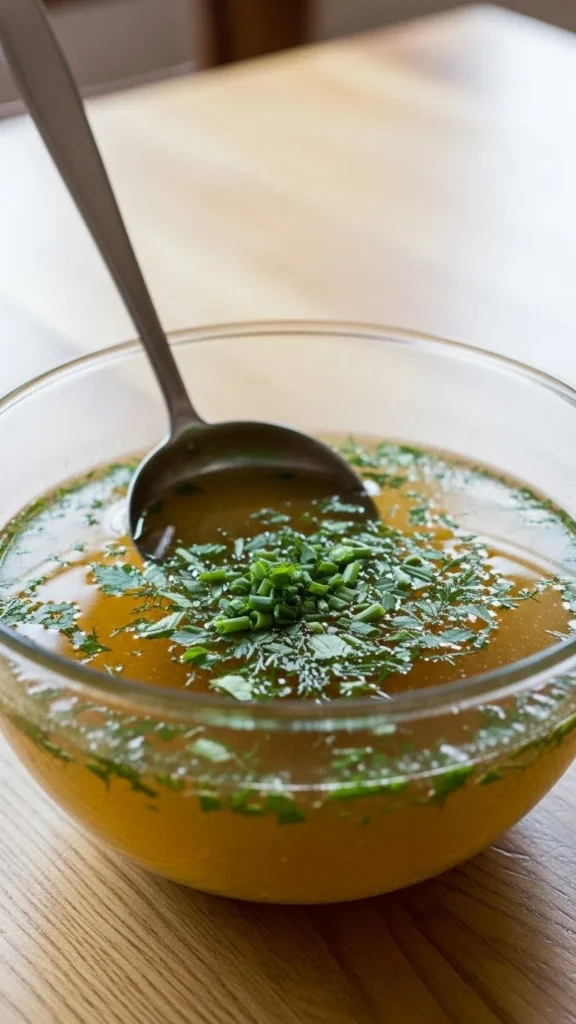
A well-seasoned broth should feel soothing, warming, and layered with subtle flavors.
Add Winter Boosters for Extra Healing Benefits
To make your broth even more nourishing, try adding simple boosters that support wellness and digestion.
Optional winter add-ins:
- Fresh ginger (anti-inflammatory)
- Turmeric with black pepper (warming & healing)
- Miso paste (gut-friendly)
- Garlic (immune-supporting)
- Lemon juice (brightens flavor)
- A drizzle of olive oil (adds richness)
These additions turn your broth into a holistic winter tonic.
Serve Your Winter Broth the Cozy Way
Winter broth can be enjoyed on its own or used as a base for deeper, heartier meals.
Ways to enjoy your broth:
- Sip from a mug before bed
- Use as a base for winter soups
- Cook rice or grains in it
- Add noodles and veggies for a fast, healing bowl
- Freeze in cubes for easy future use
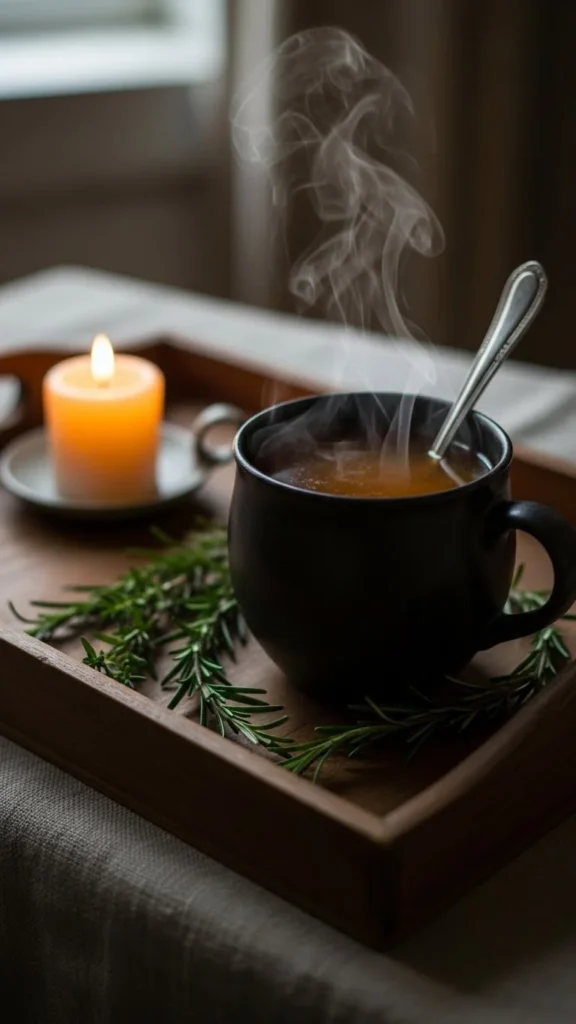
A simple mug of warm broth can feel incredibly calming on cold evenings.
Store Your Winter Broth for Easy Wellness All Week
Homemade broth stores beautifully and is easy to reach for anytime you need warmth.
Storage tips:
- Refrigerate for 4–5 days.
- Freeze in jars or silicone cubes for up to 3 months.
- Skim solid fat after chilling if you prefer a lighter broth.
- Reheat gently to preserve flavor and healing benefits.
Winter broth is one of the best kitchen staples—always ready to comfort, hydrate, and nourish.
Warm, Healing, and Perfect for Winter Wellness
Winter broth is more than a recipe—it’s comfort, nourishment, and warmth all in one pot. With simple ingredients, slow simmering, and a touch of cozy winter flavor, you can create a broth that feels healing every time you sip it.

Hannah Collins is a passionate home cook and food storyteller who believes every recipe tells a little love story. At TastyWriter, she shares simple, delicious recipes made for real kitchens and busy days — from cozy comfort dishes to creative new favorites. When she’s not cooking, you’ll find her photographing food, testing family recipes, or sipping tea while dreaming up her next tasty idea.
Leave a Reply