

Winter cooking is all about comfort. Slow heat. Deep aromas. Dishes that warm you from the inside out. A good winter curry does exactly that—but only when the spices are layered, balanced, and cooked with care.
This isn’t about fiery heat.
It’s about warm spice. The kind that lingers and soothes.
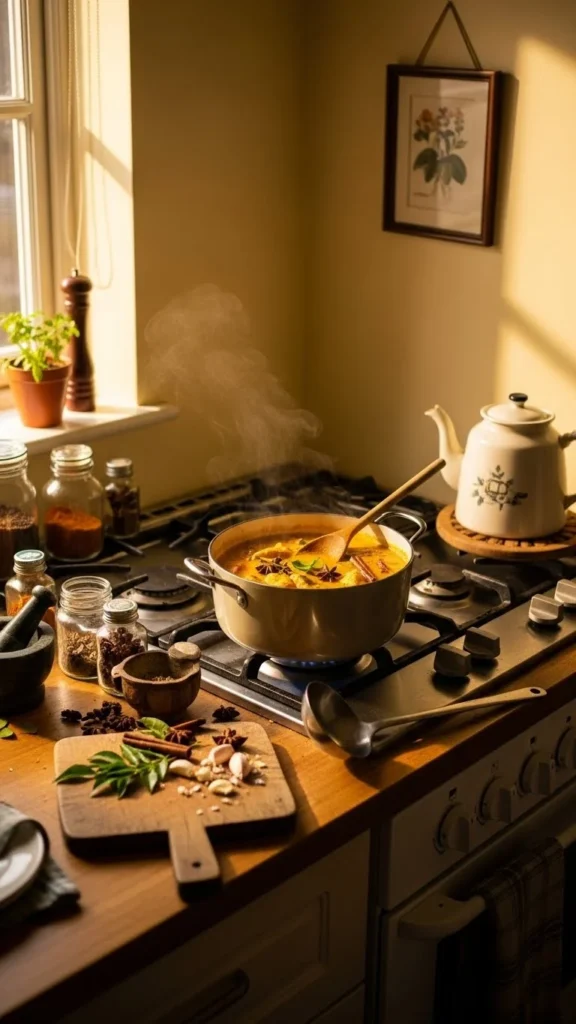
Let’s walk through how to make a winter curry that feels rich, fragrant, and deeply comforting.
Choose Spices That Warm, Not Burn
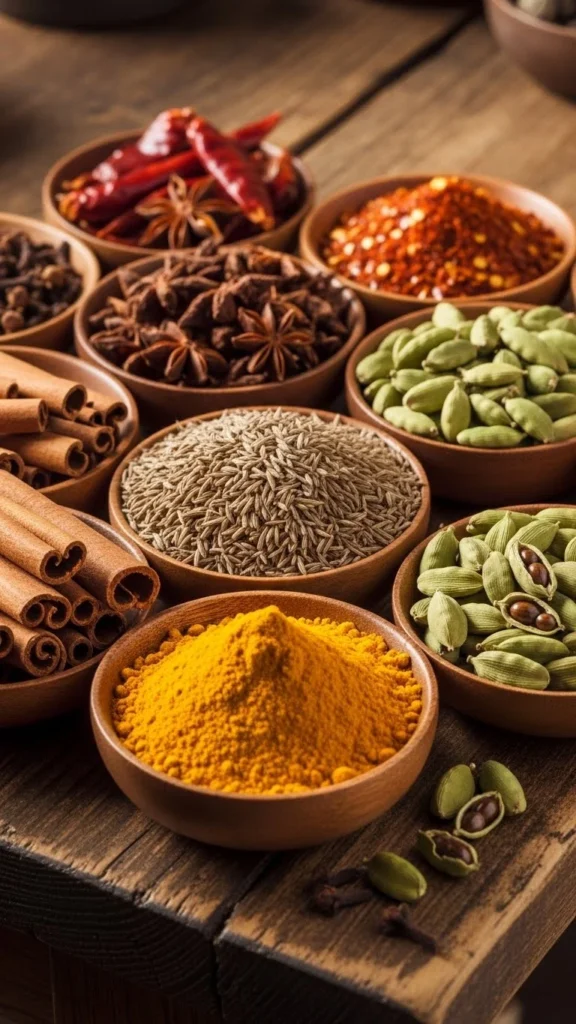
Winter curry relies on spices that create depth rather than sharp heat.
Core warming spices:
- Cumin
- Coriander
- Turmeric
- Cardamom
- Cinnamon
Optional additions:
- Cloves (use sparingly)
- Nutmeg (just a pinch)
- Kashmiri chili powder for colour without heat
These spices work together to build aroma and richness without overwhelming the dish.
Start With a Strong Aromatic Base
Every great curry begins the same way: slow-cooked aromatics.
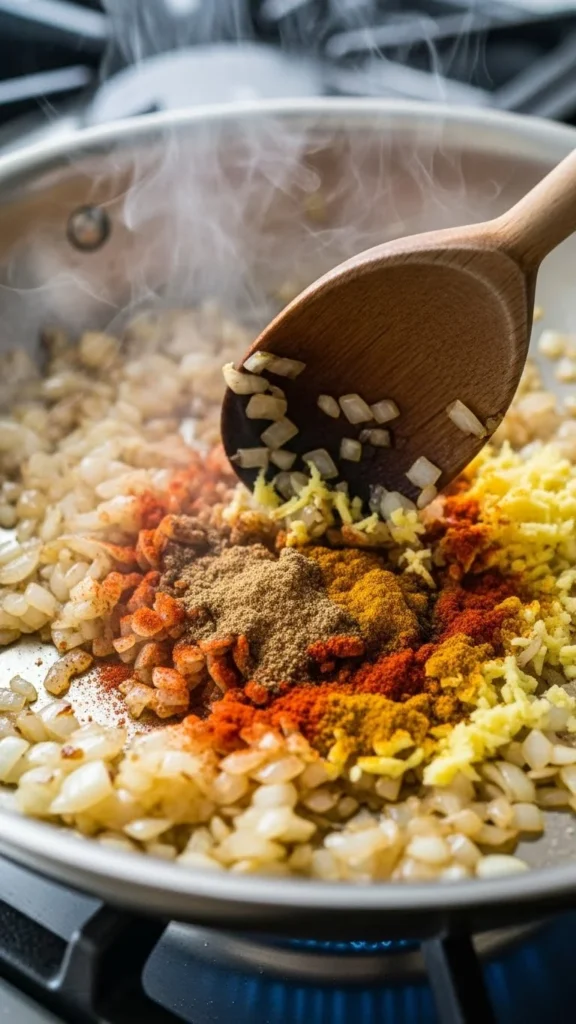
Start with:
- Onion, finely sliced
- Garlic, minced
- Fresh ginger, grated
Cook gently in oil or ghee over medium heat. Let the onions soften and turn lightly golden. This step sets the tone for the entire curry.
Tip: Rushing this stage results in harsh flavours later.
Bloom the Spices Properly
Spices need fat and heat to release their full character.
Add spices directly to the cooked aromatics and oil. Stir constantly for 30–60 seconds until fragrant.
This step:
- Enhances aroma
- Deepens flavour
- Prevents raw spice taste
If spices stick or darken too quickly, add a splash of water or stock to protect them.
Pick Ingredients That Suit Cold Weather
Winter curries should feel hearty and grounding.
Vegetables that work well:
- Potatoes
- Sweet potatoes
- Pumpkin
- Cauliflower
- Carrots
Protein options:
- Chickpeas or lentils
- Chicken thighs
- Lamb
- Tofu or paneer
These ingredients absorb spices well and hold their structure during longer cooking times.
Use Creamy Elements for Balance
Warm spice needs balance. Creaminess softens edges and brings everything together.
Great options include:
- Coconut milk
- Cashew paste
- Almond milk
- Yoghurt (added off heat)
Add creamy elements after spices and vegetables are well coated.

Tip: Stir gently and keep heat low to avoid splitting.
Let the Curry Simmer Slowly
Once everything is combined, slow simmering is essential.
Steps:
- Bring curry to a gentle bubble
- Lower heat
- Cover partially
- Cook 30–45 minutes
As it cooks:
- Spices mellow
- Sauce thickens
- Flavours blend naturally
Stir occasionally and adjust liquid as needed.
Adjust Seasoning at the End
Never fully season a curry at the start. Spices change as they cook.
Before serving:
- Add salt gradually
- Brighten with lime juice or tamarind
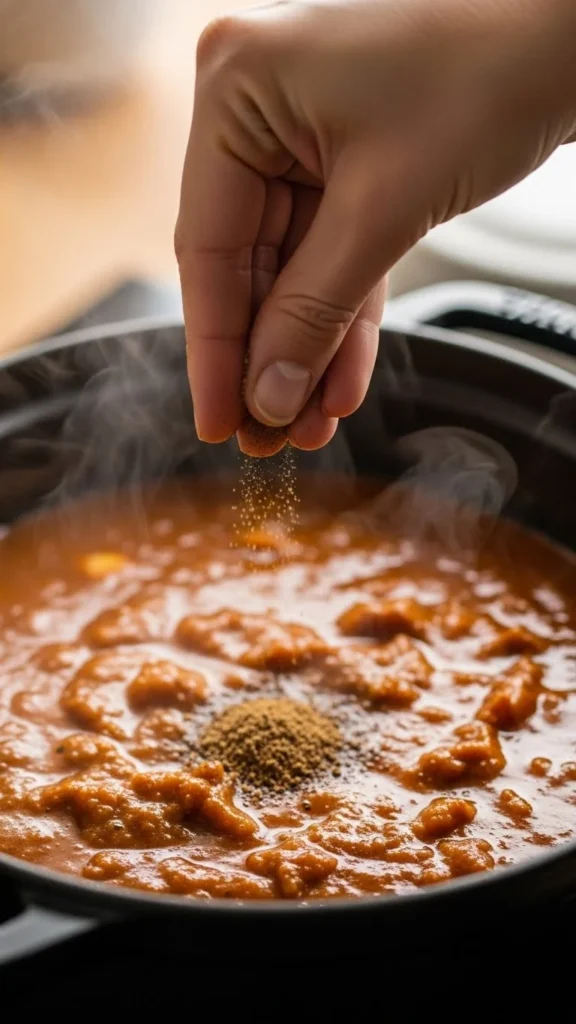
- Adjust warmth with garam masala
Add garam masala right at the end. Heat destroys its aroma if cooked too long.
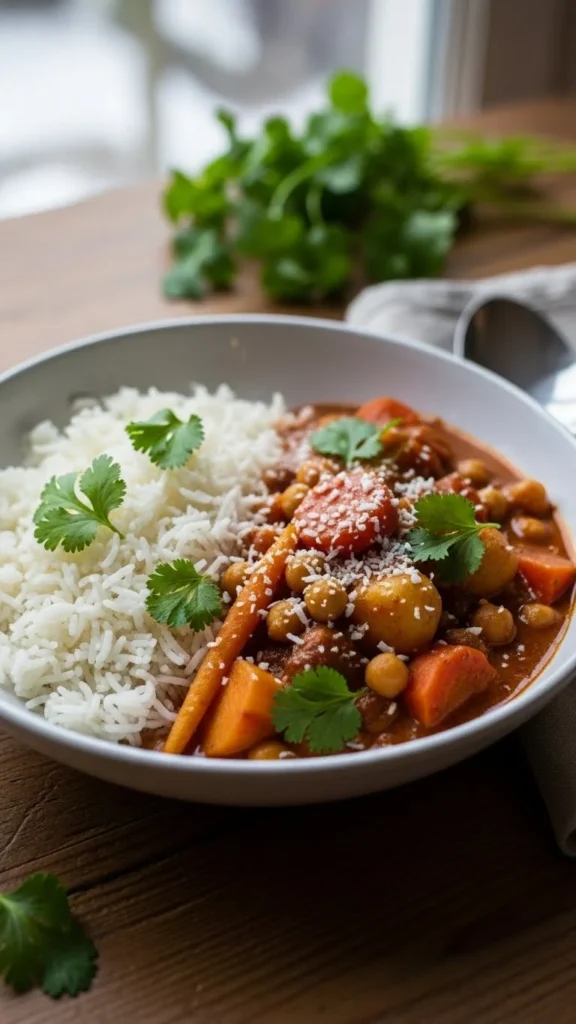
Finish With Simple Garnishes
Final touches add freshness and contrast.
Try:
- Fresh coriander
- Toasted coconut flakes
- Warm naan or flatbread
- Steamed rice or jeera rice
Make It Better Overnight
Like most winter dishes, curry improves with time.
If possible:
- Let it cool completely
- Refrigerate overnight
- Reheat gently the next day
The spices deepen. The sauce thickens. The flavour becomes rounder and warmer.
Final Takeaway
A great winter curry isn’t about heat.
It’s about slow cooking, layered spices, and balanced richness.
Take your time. Trust the process. Let warmth build naturally.
Save this recipe for cold nights—and make extra. Winter curry is always better the next day.

Hannah Collins is a passionate home cook and food storyteller who believes every recipe tells a little love story. At TastyWriter, she shares simple, delicious recipes made for real kitchens and busy days — from cozy comfort dishes to creative new favorites. When she’s not cooking, you’ll find her photographing food, testing family recipes, or sipping tea while dreaming up her next tasty idea.
Leave a Reply