

Winter baking isn’t complete without frosting that tastes like the season. Think warm spices, gentle sweetness, and flavours that feel cosy the moment they hit your tongue. Whether you’re topping cupcakes, cakes, cookies, or cinnamon rolls, winter frosting with holiday flavour turns simple bakes into something special.
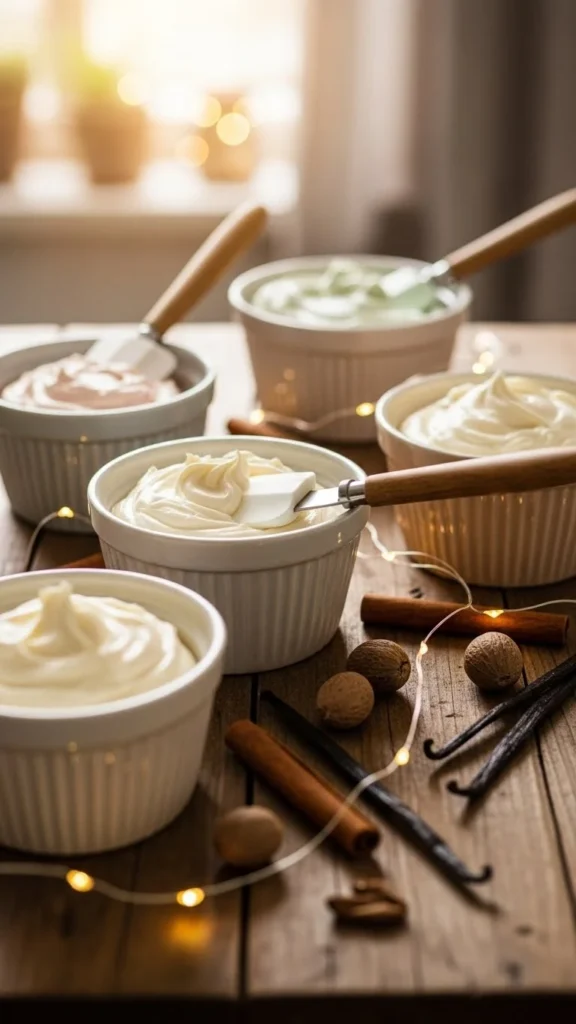
This guide shows you how to make winter frosting that’s smooth, easy to spread, and full of festive flavour—without being overly sweet or complicated.
What Makes Frosting Taste Like Winter
Winter frosting is all about warmth and balance.
It usually includes:
- Soft dairy like butter or cream cheese
- Powdered sugar for smooth texture
- Natural flavour boosters
- Gentle spices
Unlike summer frostings, winter versions lean into comfort. They’re richer, slightly deeper in flavour, and pair well with spiced cakes and cookies.
The goal is flavour that feels familiar, not overpowering.
Base Frostings That Work Best in Winter
Before adding holiday flavours, choose the right base. Some frostings carry winter flavours better than others.
Popular winter-friendly bases:
- Buttercream – classic, smooth, and versatile
- Cream cheese frosting – slightly tangy and rich
- Whipped frosting – lighter but still cosy
Buttercream works best if you want bold spice notes. Cream cheese is perfect for softer, bakery-style desserts.
Ingredients That Add Holiday Flavor
Winter frosting doesn’t need artificial extracts. A few pantry staples go a long way.
Common holiday additions:
- Vanilla extract
- Cinnamon
- Nutmeg
- Ginger
- Maple syrup
- Orange zest
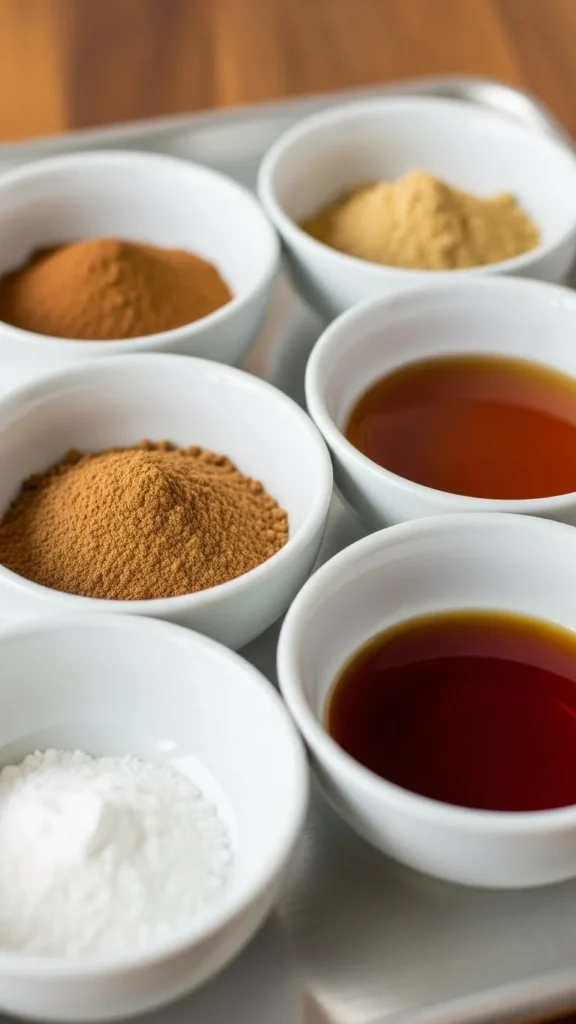
Use spices sparingly. Frosting should taste smooth first, festive second.
Tip: Always taste as you go. Cold weather makes flavours feel milder, so small adjustments help.
How to Make a Simple Winter Buttercream
This frosting is perfect for cakes, cupcakes, and cookies.
Basic method:
- Beat softened butter until creamy
- Slowly add powdered sugar
- Add vanilla and a splash of milk or cream
- Beat until light and fluffy
Once smooth, add winter flavours:
- ½ teaspoon cinnamon
- A pinch of nutmeg
- 1–2 teaspoons maple syrup
Mix gently and taste. Adjust slowly. You want warmth, not spice overload.
If the frosting feels thick, add a teaspoon of milk. If too loose, add more powdered sugar.
Cream Cheese Frosting With a Holiday Twist
Cream cheese frosting feels extra cosy in winter.
To make it:
- Beat cream cheese and butter together
- Add powdered sugar gradually
- Mix in vanilla
For holiday flavour, try:
- Cinnamon + orange zest
- Maple syrup + vanilla
- Ginger + honey
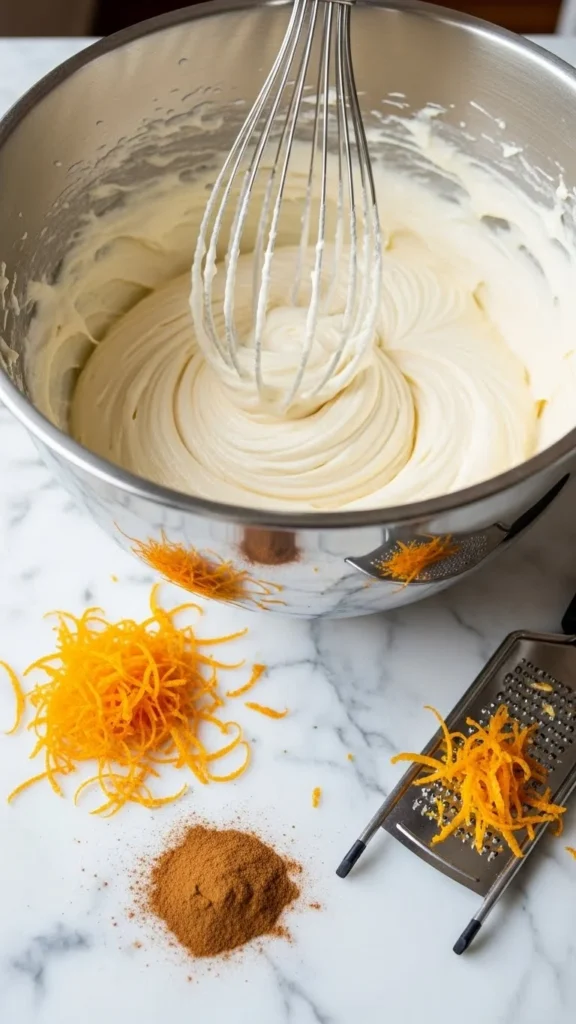
This frosting pairs beautifully with carrot cake, spice cake, and gingerbread desserts.
Getting the Texture Just Right
Texture matters just as much as flavour.
Winter frosting should be:
- Smooth
- Easy to spread
- Soft but stable
Helpful tips:
- Always start with room-temperature ingredients
- Beat longer for fluffiness
- Chill briefly if frosting feels too soft
Avoid overmixing once flavours are added. That can thin the frosting and mute the spices.
Colour and Presentation for Winter Bakes
Winter frosting looks best when kept simple.
Popular winter tones:
- Soft ivory
- Pale beige
- Light caramel
- Warm cream
You can decorate with:
- Light dusting of cinnamon
- Crushed nuts
- Dried orange peel
- Simple piping
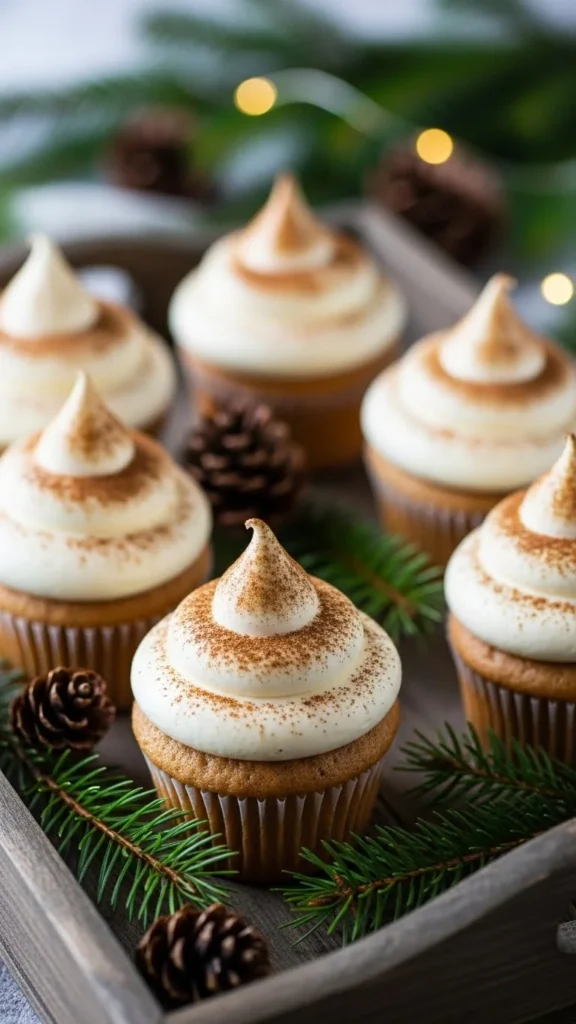
Less colour keeps the focus on flavour and texture.
Storing Winter Frosting
Good storage keeps flavour fresh.
Best practices:
- Store in an airtight container
- Refrigerate cream cheese frosting
- Bring to room temperature before using
If frosting stiffens after chilling, re-whip briefly to restore smoothness.
Final Takeaway
Winter frosting is about warmth, comfort, and subtle holiday flavour. Start with a solid base, add gentle spices, and focus on smooth texture. A little cinnamon, maple, or citrus zest can completely transform your bakes.
Use these frostings on cakes, cookies, rolls, or cupcakes—and let them bring that festive feeling to every bite.
Save this recipe for later and make your winter baking extra special.

Hannah Collins is a passionate home cook and food storyteller who believes every recipe tells a little love story. At TastyWriter, she shares simple, delicious recipes made for real kitchens and busy days — from cozy comfort dishes to creative new favorites. When she’s not cooking, you’ll find her photographing food, testing family recipes, or sipping tea while dreaming up her next tasty idea.
Leave a Reply