

There’s a reason gravy feels like winter comfort in liquid form. It’s rich, warming, and ties everything on the plate together. When it’s done right, gravy doesn’t just sit on food—it transforms it. The smell alone can make a cold evening feel instantly cosier.
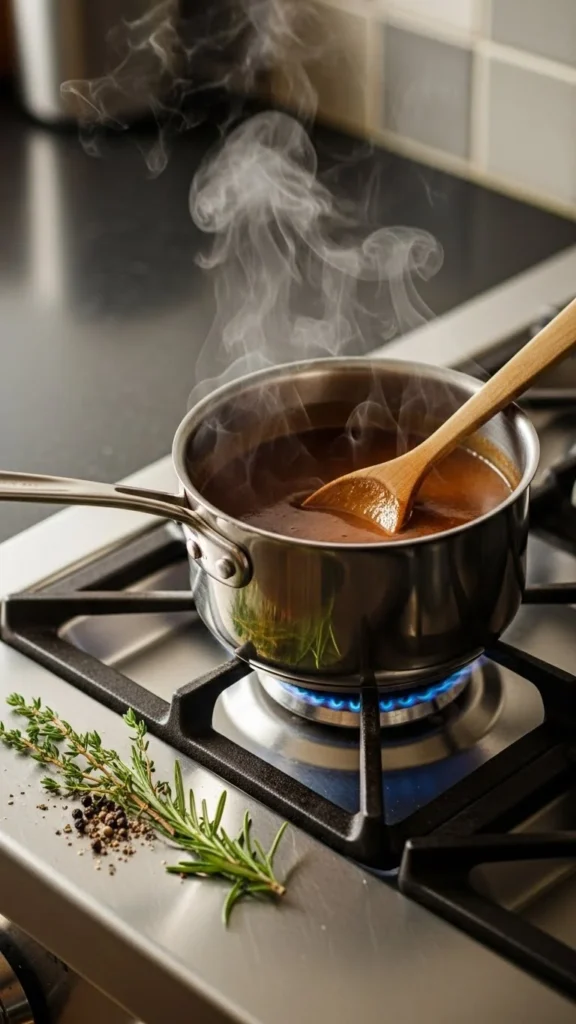
This guide shows you how to make winter gravy with real depth of flavour, using simple ingredients and smart techniques. No bland sauces. No shortcuts that fall flat. Just gravy that tastes slow-cooked, even when it isn’t.
What Gives Winter Gravy Its Deep Flavor
Great gravy isn’t about thickness alone. It’s about layers.
Deep flavour comes from:
- Proper browning
- Fat that carries flavour
- Slow simmering
- Balanced seasoning
Winter gravy should taste savoury and round, not salty or floury. The goal is richness without heaviness.
Ingredients That Build Richness From the Start
You don’t need a long ingredient list. You need the right foundation.
Core ingredients:
- Fat (butter, drippings, or oil)
- Flour (for structure)
- Stock (chicken, beef, or vegetable)
- Onion or shallot
- Garlic
- Salt and black pepper
Optional winter boosters:
- Thyme or rosemary
- Bay leaf
- A splash of cream
- A dash of soy sauce or Worcestershire sauce
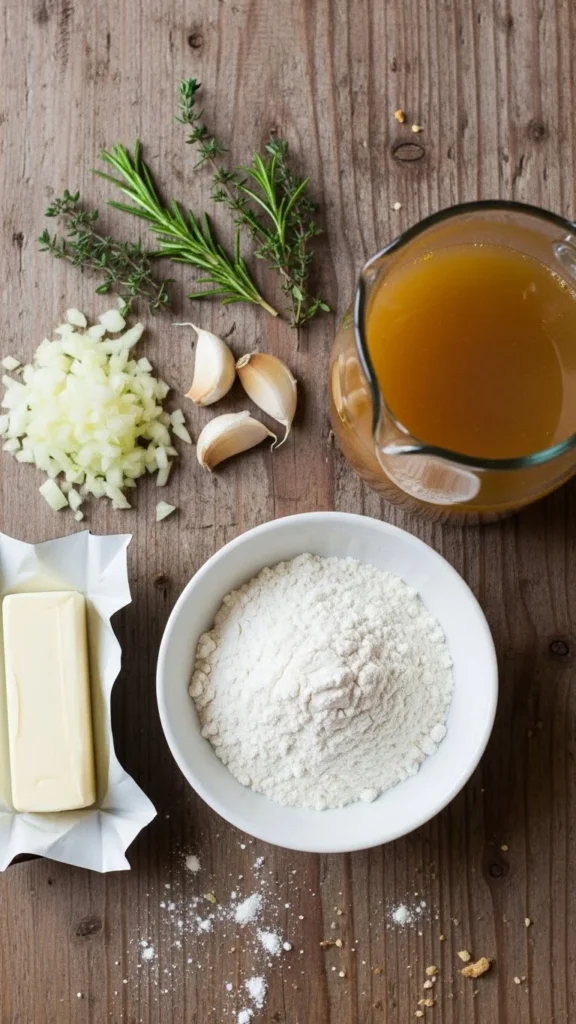
Tip: Warm stock blends more smoothly and keeps the gravy silky.
Step One: Build Flavor With Browning
This is where gravy gets its soul.
Start by heating your fat in a pan over medium heat. Add finely chopped onion and cook slowly until soft and lightly golden. Don’t rush this step. Colour equals flavour.
Add garlic and cook just until fragrant.
Now sprinkle in the flour. Stir constantly and let it cook for a minute or two. This removes the raw flour taste and deepens colour slightly.
You’re creating a roux, and patience here matters.
Step Two: Add Stock Slowly and Stir Well
Once the roux smells nutty, it’s time for liquid.
Pour in warm stock a little at a time while whisking. This prevents lumps and helps the gravy stay smooth.
Keep stirring as it thickens. At first, it may look thin or uneven. That’s normal. It will come together as it heats.
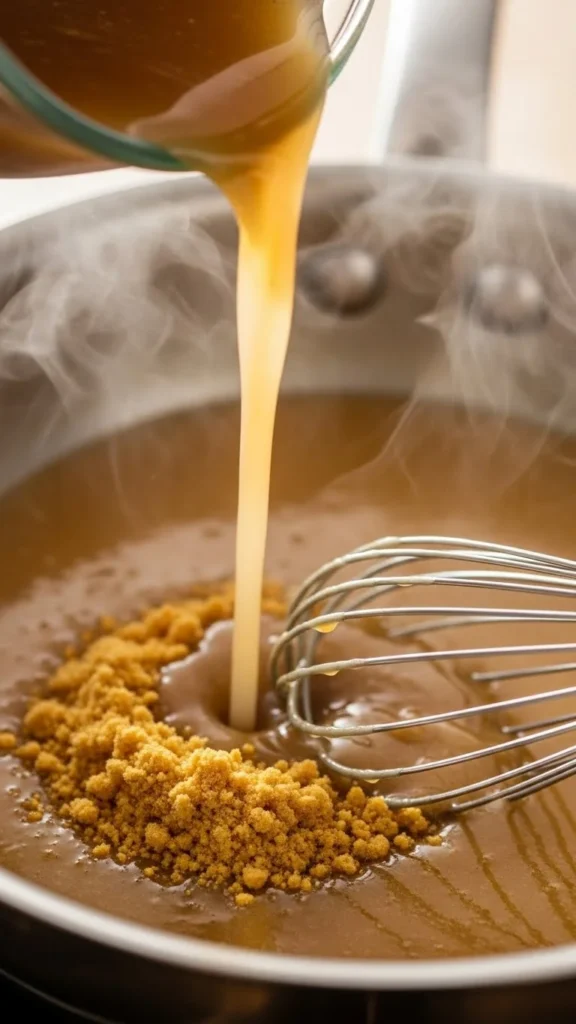
Once all the stock is added:
- Lower the heat
- Let it simmer gently
- Stir occasionally
This simmering stage develops depth and smoothness.
Step Three: Layer in Winter Flavor
Now it’s time to make the gravy taste like winter.
Add:
- Fresh herbs or a bay leaf
- Black pepper
- A small splash of soy sauce or Worcestershire for umami
Taste as you go. Adjust salt carefully. Stock already contains seasoning, so balance is key.
For extra richness:
- Stir in a knob of butter at the end
- Or add a splash of cream for a softer finish
Let the gravy simmer for 10–15 minutes. This concentrates flavour and removes sharp edges.
How to Control Thickness Without Ruining Flavor
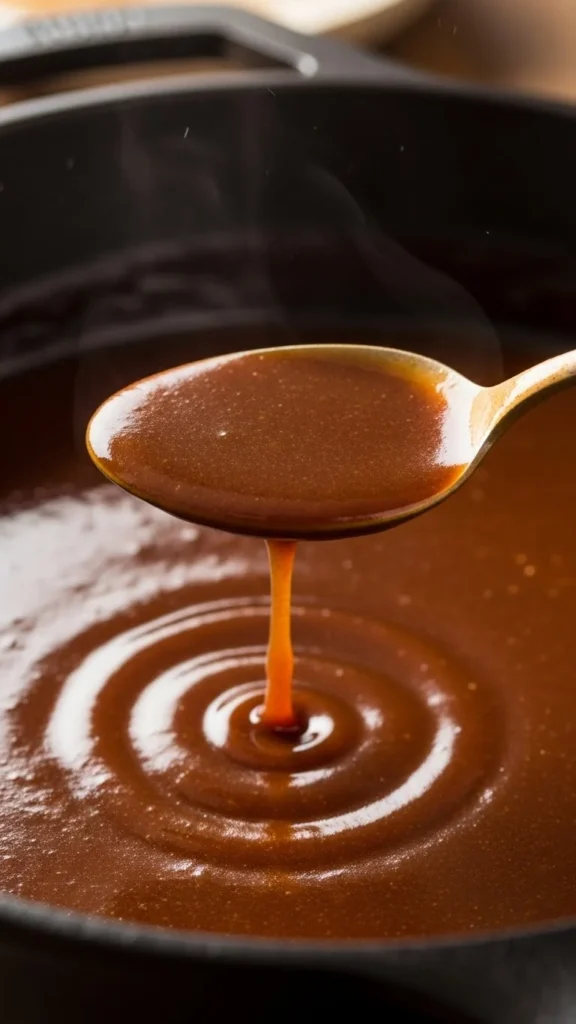
Gravy should coat the back of a spoon, not sit like paste.
If it’s too thick:
- Add a little more warm stock
- Stir gently until smooth
If it’s too thin:
- Let it simmer longer
- Or mix a small amount of flour with water and add slowly
Never rush thickening. Fast fixes often dull flavour.
Common Gravy Mistakes (And How to Avoid Them)
Avoid these and your gravy will always improve.
- Skipping the browning stage
This leads to flat taste. - Adding cold stock too fast
Causes lumps and uneven texture. - Over-salting early
Always season gradually. - Boiling instead of simmering
Boiling breaks texture and mutes flavour.
Make-Ahead and Storage Tips
Winter gravy actually improves with time.
To store:
- Cool completely
- Store in an airtight container
- Refrigerate up to 3 days
To reheat:
- Warm gently on the stove
- Add a splash of stock if needed
- Stir until smooth
Avoid microwaving if possible. Slow reheating keeps texture silky.
Final Takeaway
Deep winter gravy is built, not rushed. Browning, slow simmering, and thoughtful seasoning are what turn simple ingredients into something comforting and memorable.
Once you master this method, gravy stops being an afterthought and becomes the highlight of the meal.
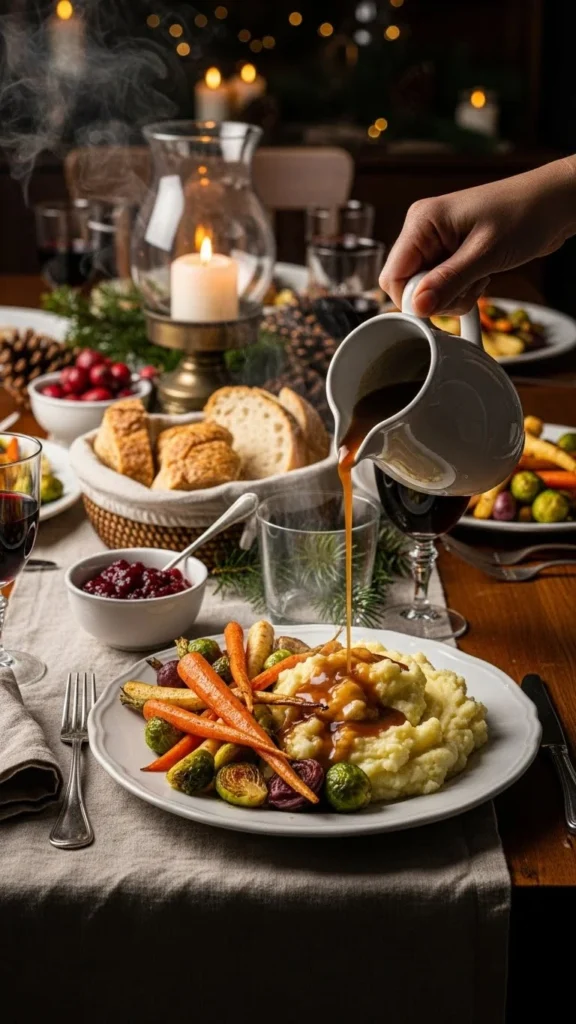
Save this recipe for later, and let your winter meals taste richer, warmer, and more satisfying.

Hannah Collins is a passionate home cook and food storyteller who believes every recipe tells a little love story. At TastyWriter, she shares simple, delicious recipes made for real kitchens and busy days — from cozy comfort dishes to creative new favorites. When she’s not cooking, you’ll find her photographing food, testing family recipes, or sipping tea while dreaming up her next tasty idea.
Leave a Reply