

Few things feel as comforting as a bowl of warm, creamy mashed potatoes on a cold winter day. They’re simple, familiar, and deeply satisfying. But not all mashed potatoes are created equal. Some turn out gluey. Others feel dry or bland. The good news? Extra-creamy winter mashed potatoes are easy when you know what actually makes the difference.
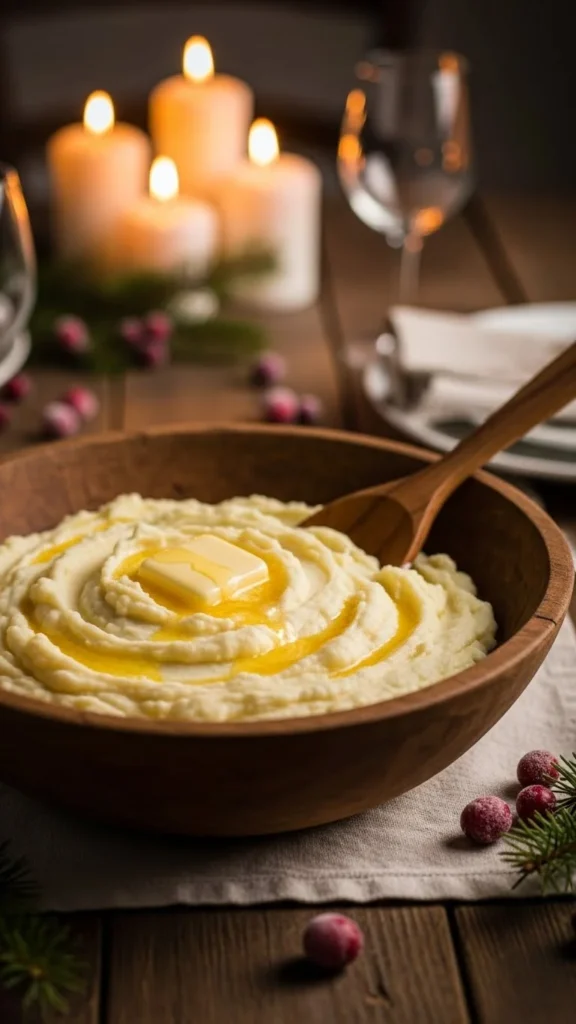
This guide breaks everything down step by step so you can make mashed potatoes that are smooth, rich, and perfect for cosy meals at home.
Why Mashed Potatoes Taste Better in Winter
Mashed potatoes shine in winter because they’re all about warmth and texture. Cold weather calls for:
- Rich fats like butter and cream
- Slow cooking and gentle heat
- Comfort flavours that feel filling
Winter potatoes also tend to be starchier, which works in your favour when you want a fluffy, creamy mash.
The key is controlling moisture and starch. Get that right, and creaminess follows naturally.
Choose the Right Potatoes First
Creamy mashed potatoes start before you even turn on the stove.
Best potato options:
- Yukon Gold – naturally buttery and smooth
- Russet potatoes – fluffy and light when mashed
Avoid waxy potatoes. They hold their shape well, but they don’t mash smoothly and can turn gluey.
When prepping:
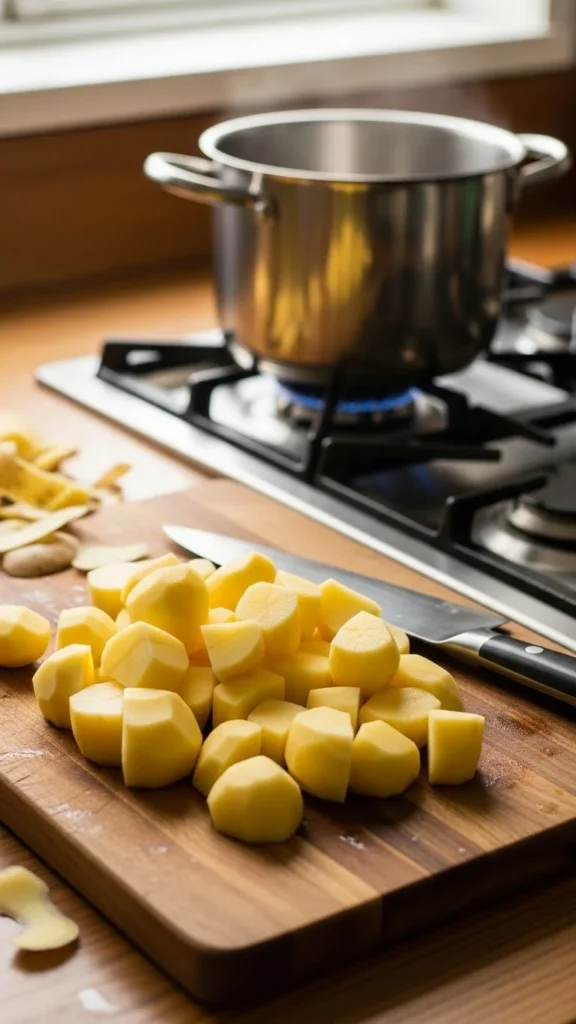
- Peel fully for the smoothest texture
- Cut potatoes into even chunks so they cook at the same speed
How to Cook Potatoes Without Losing Creaminess
Boiling potatoes sounds simple, but timing matters.
Follow these steps:
- Start potatoes in cold, salted water
- Bring to a gentle boil
- Cook until a fork slides in easily
Starting in cold water helps them cook evenly and prevents waterlogged edges.
Once cooked:
- Drain immediately
- Let them steam dry for 1–2 minutes
This removes excess moisture, which is essential for creamy texture later.
The Secret to Ultra-Creamy Texture
Creaminess comes from technique, not force.
Best tools:
- Potato masher
- Potato ricer
- Food mill
Avoid blenders or food processors. They overwork the starch and turn mash into paste.
Mash while potatoes are hot. Cold potatoes resist mashing and lose smoothness fast.
Mash gently until just smooth. A few small lumps are better than overmixing.
Warm Your Dairy Before Adding It
Cold cream is one of the biggest mistakes people make.
Before mixing in:
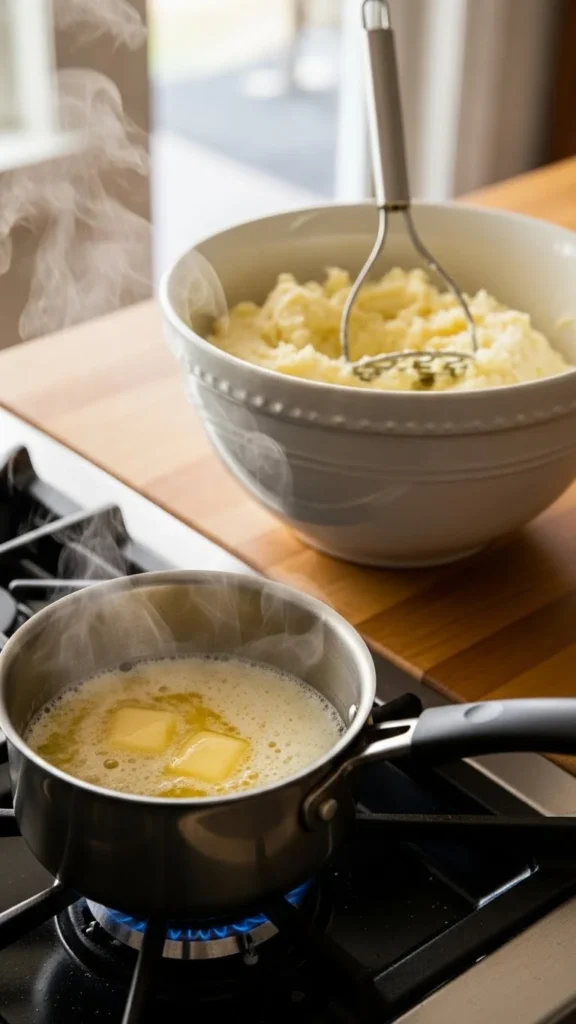
- Warm butter until melted
- Heat milk or cream until just warm
This helps everything blend smoothly without shocking the potatoes.
For rich winter mashed potatoes, try:
- Butter for flavour
- Heavy cream for richness
- Milk to adjust texture
Add dairy gradually. Stop as soon as the texture looks soft and creamy.
Seasoning That Brings Out Winter Comfort
Salt is essential, but winter mash benefits from a little more depth.
Classic additions:
- Salt and black pepper
- Roasted garlic
- Warm herbs like thyme or rosemary
Optional extras for extra comfort:
- Cream cheese
- Sour cream
- Parmesan cheese
Season slowly. Taste as you go. Creaminess should never drown out the potato flavour.
Common Mistakes That Ruin Creamy Mashed Potatoes
If mashed potatoes go wrong, it’s usually one of these:
- Overcooking potatoes
- Adding cold milk or butter
- Overmixing
- Using the wrong potatoes
Fixes:
- Too thick? Add warm milk a little at a time
- Too loose? Let them rest uncovered for a minute
- Bland? Salt more than you think, but slowly
How to Keep Mashed Potatoes Creamy After Cooking
Mashed potatoes can dry out if left sitting too long.
To keep them soft:
- Cover with foil or a lid
- Place a small pat of butter on top
- Stir gently before serving
For reheating:
- Add a splash of warm milk
- Reheat slowly over low heat
Final Takeaway
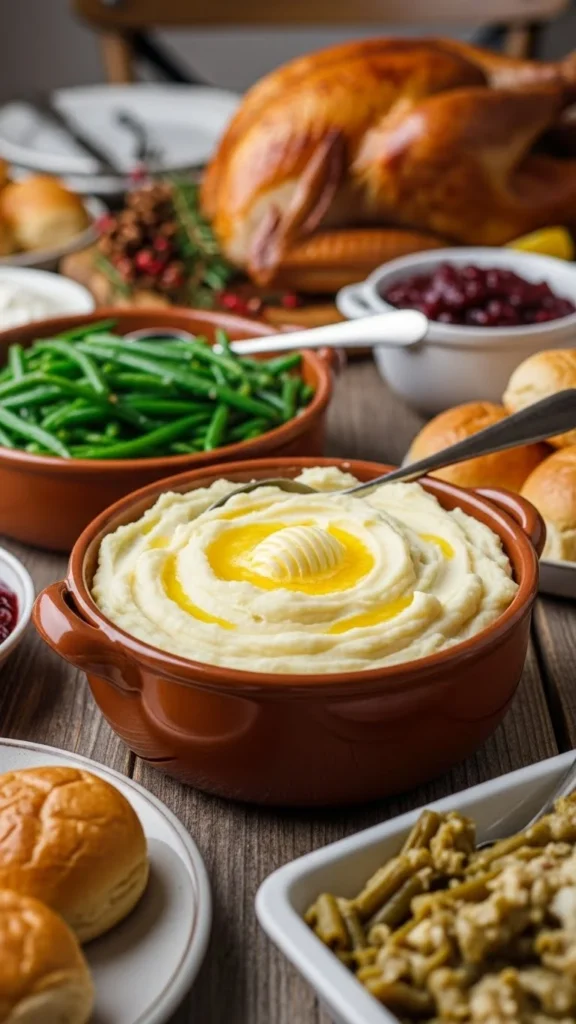
Extra-creamy winter mashed potatoes aren’t about fancy ingredients. They’re about timing, warmth, and gentle handling. Choose the right potatoes, warm your dairy, mash carefully, and season with intention.
Once you master these steps, mashed potatoes stop being a side dish and start becoming the star of the table.
Save this recipe for later, and make your winter meals a little more comforting.

Hannah Collins is a passionate home cook and food storyteller who believes every recipe tells a little love story. At TastyWriter, she shares simple, delicious recipes made for real kitchens and busy days — from cozy comfort dishes to creative new favorites. When she’s not cooking, you’ll find her photographing food, testing family recipes, or sipping tea while dreaming up her next tasty idea.
Leave a Reply