

When winter hits, salads lose their appeal. Cold food feels wrong. What the body wants is warmth, comfort, and something that feels grounding—but not heavy.
That’s where winter noodle bowls shine. Steaming broth. Slurpable noodles. Soft vegetables. Deep, savoury flavours that make you slow down and breathe.
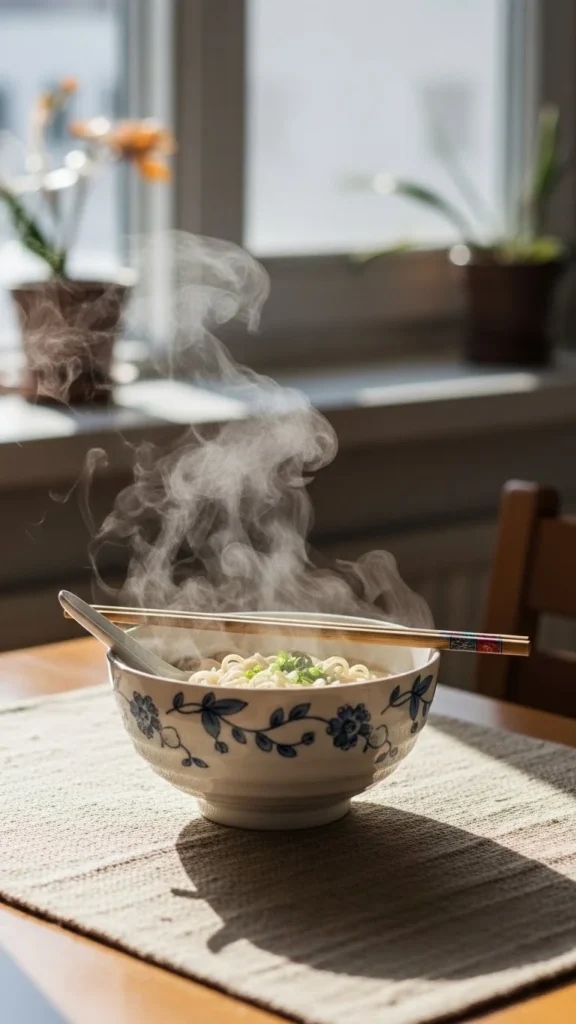
A nourishing noodle bowl isn’t about piling on ingredients. It’s about balance. Let’s break down how to build one that actually satisfies.
Start With a Broth That Feels Like a Hug
The broth is the soul of any noodle bowl. In winter, it should be rich, savoury, and warming.
Good base options:
- Chicken or vegetable stock
- Miso broth
- Ginger-infused broth
- Light bone broth
Boost flavour gently with:
- Garlic
- Fresh ginger
- Green onions
- A splash of soy sauce or tamari
Simmer the broth for at least 15–20 minutes. Time allows flavours to deepen without overpowering the bowl.
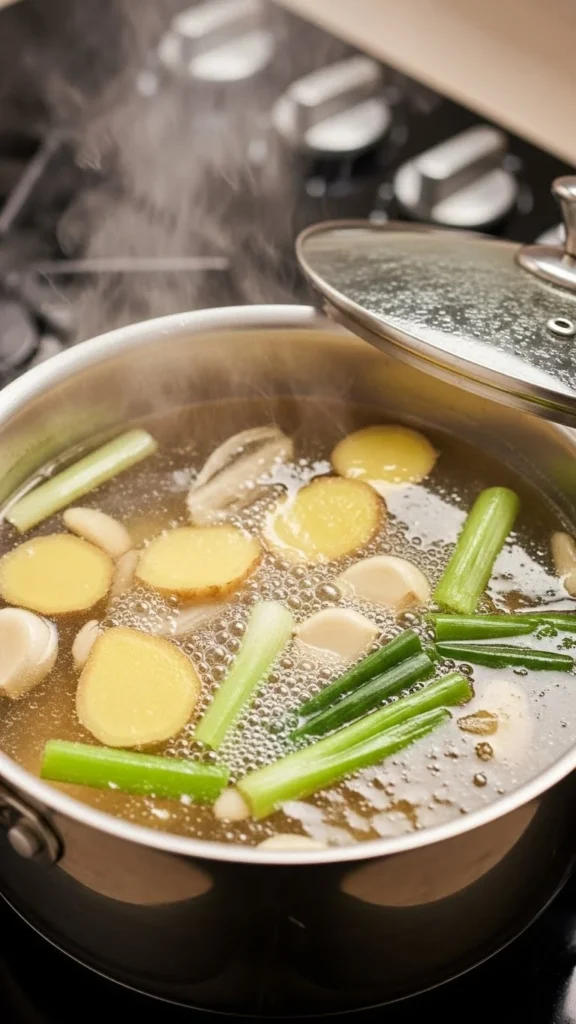
Tip: Avoid boiling hard. Gentle heat keeps the broth clean and soothing.
Choose Noodles That Suit Cold Weather
Not all noodles feel comforting in winter. The best ones have body and hold heat well.
Great winter choices:
- Ramen noodles
- Udon noodles
- Rice noodles (medium or thick)
- Egg noodles
Cook noodles separately whenever possible. This prevents them from soaking up too much broth and turning mushy.
Drain, then add to bowls just before serving.
Add Vegetables That Feel Grounding
Winter noodle bowls should feel nourishing, not raw or sharp.
Best vegetables for cold weather:
- Mushrooms
- Bok choy
- Spinach
- Napa cabbage
- Carrots
- Broccoli
Lightly cook vegetables in the broth or blanch them briefly. They should stay tender, not limp.

Tip: Mushrooms add natural umami, making the bowl feel richer without heaviness.
Include Protein for Staying Power
Protein makes a noodle bowl feel complete and satisfying.
Easy options:
- Soft-boiled eggs
- Shredded chicken
- Tofu or tempeh
- Prawns
Cook proteins gently and add them near the end. Overcooked protein makes the bowl feel dry and tired.
For eggs, aim for jammy yolks—they add richness to the broth naturally.
Build the Bowl With Intention
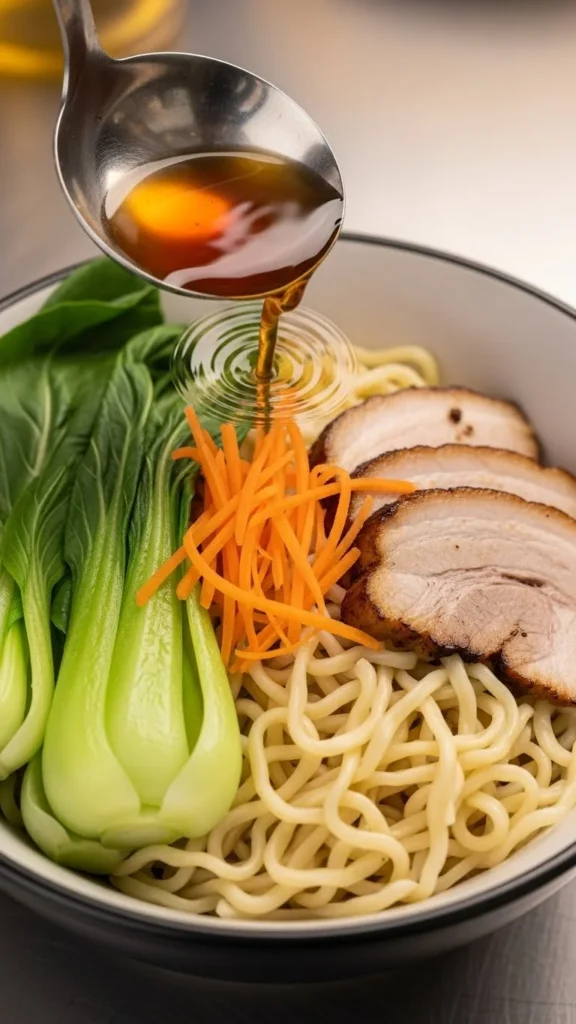
A nourishing bowl is layered, not dumped together.
Assembly order:
- Noodles at the base
- Vegetables arranged on top
- Protein added last
- Hot broth poured over everything
This keeps textures distinct and flavours balanced.
Add Healthy Fats for Comfort
Fat helps the body feel warm and satisfied.
Small additions go a long way:
- Sesame oil
- Chilli oil
- A spoon of tahini
- Drizzle of olive oil
Add fats at the end so their aroma stays fresh.
Finish With Simple Toppings
Toppings bring contrast and freshness to winter noodle bowls.
Best finishing touches:
- Green onions
- Fresh coriander
- Sesame seeds
- Chili flakes or chili crisp
- Nori strips
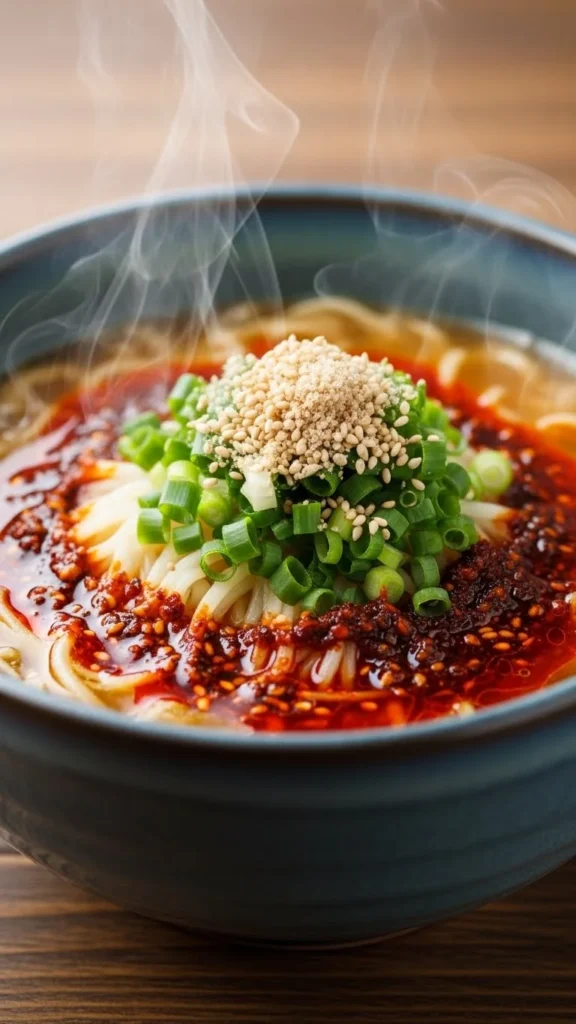
Avoid overcrowding. Two or three toppings are enough.
Make It Nourishing, Not Heavy
Winter comfort doesn’t need excess salt or grease.
To keep bowls nourishing:
- Taste broth before adding more seasoning
- Use acid like lime juice sparingly
- Balance salty elements with warmth, not sugar
The goal is to feel restored after eating—not weighed down.
Easy Winter Noodle Bowl Formula
Use this simple structure every time:
- Warm, savoury broth
- Hearty noodles
- Soft cooked vegetables
- Gentle protein
- Light fat + fresh topping
Once you master this formula, you can mix flavours endlessly.
Final Takeaway
Winter noodle bowls aren’t just meals. They’re moments of comfort.
Warm broth. Balanced textures. Nourishing ingredients that support the body when it needs it most.
Save this guide for cold nights—and build your perfect bowl whenever winter calls.

Hannah Collins is a passionate home cook and food storyteller who believes every recipe tells a little love story. At TastyWriter, she shares simple, delicious recipes made for real kitchens and busy days — from cozy comfort dishes to creative new favorites. When she’s not cooking, you’ll find her photographing food, testing family recipes, or sipping tea while dreaming up her next tasty idea.
Leave a Reply