

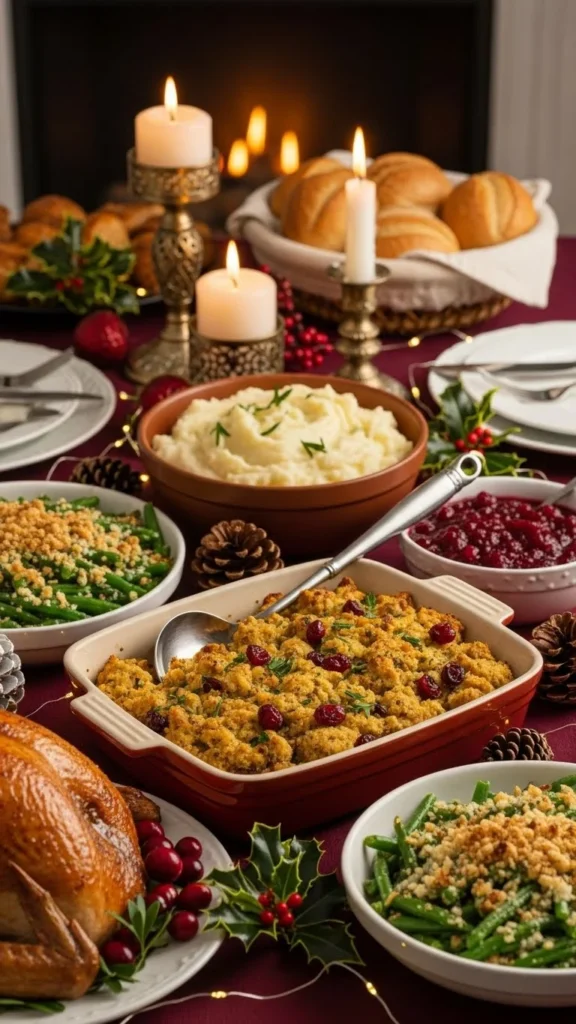
Winter meals feel incomplete without a warm, fragrant stuffing on the table. It’s the dish that brings everything together. Crispy edges, soft centres, herbs in every bite, and that unmistakable festive smell drifting through the kitchen. Good stuffing doesn’t just fill plates. It sets the mood.
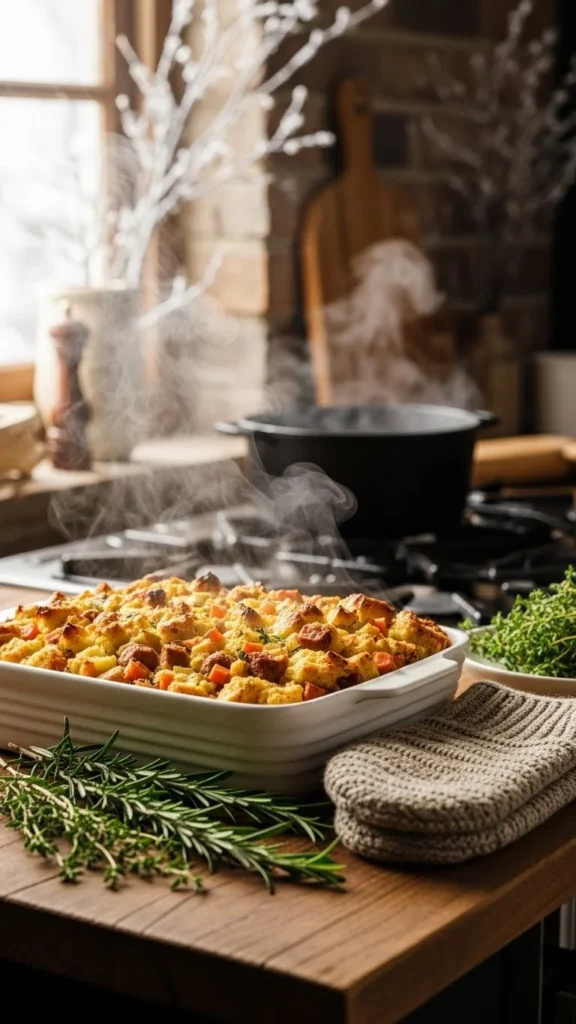
The good news? Making festive winter stuffing at home is easier than it sounds. With the right bread, flavour base, and baking method, you can create a stuffing that feels comforting, celebratory, and full of seasonal warmth.
What Makes Stuffing Feel Truly Festive
Festive stuffing is all about balance.
You want:
- Soft, fluffy bread inside
- Crispy, golden edges on top
- Rich savoury flavour
- Fresh herbs and gentle seasoning
The goal isn’t dryness or heaviness. It’s a spoonable texture with depth and aroma that complements everything else on the table.
Choosing the Right Bread
Bread is the foundation, and it matters more than anything else.
Best options for winter stuffing:
- Day-old white bread
- Sourdough for extra flavour
- Rustic country loaf
- Brioche for a richer version
Avoid fresh bread. Slightly stale bread absorbs stock better without turning mushy.
Cut the bread into cubes and dry them out:
- Leave uncovered overnight
- Or toast lightly in the oven
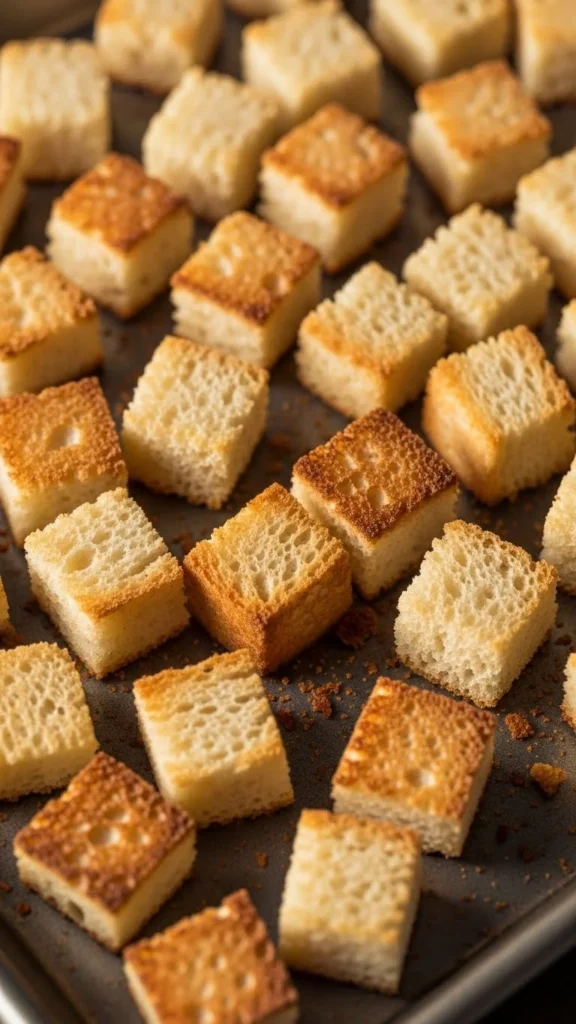
Dry bread gives stuffing structure and helps it bake evenly.
Building the Flavour Base
This is where stuffing gets its festive personality.
Start with:
- Butter or olive oil
- Onion, finely chopped
- Celery for savoury depth
- Garlic for warmth
Cook slowly until soft and fragrant. Do not rush this step. Gentle cooking releases sweetness and creates a rich base.
Add herbs next:
- Sage for classic winter flavour
- Thyme for earthiness
- Rosemary for aroma
- Parsley for freshness
Fresh herbs feel more festive, but dried herbs work if used lightly.
Adding Moisture Without Making It Soggy
Stuffing needs moisture, but not too much.
Use:
- Warm chicken or vegetable stock
- A splash at a time
The bread should feel damp, not soaked. Press gently with a spoon. If liquid pools at the bottom, you’ve added too much.
Optional additions for winter richness:
- A beaten egg for structure
- Cream or milk for softness
- Sausage or mushrooms for heartiness
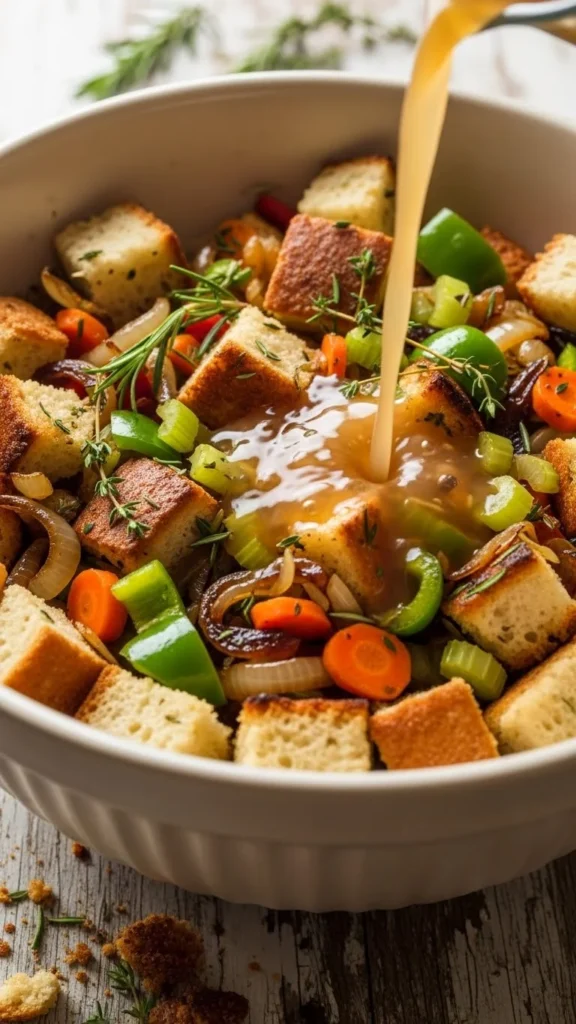
Mix gently so the bread keeps its shape.
How to Bake for the Perfect Texture
Baking is where texture comes together.
Transfer stuffing to a greased baking dish and spread evenly. Cover loosely with foil and bake at 180°C / 350°F.
Baking stages:
- First 20 minutes covered to heat through
- Final 15–20 minutes uncovered for crisp edges
The top should be golden and slightly crunchy while the inside stays soft.
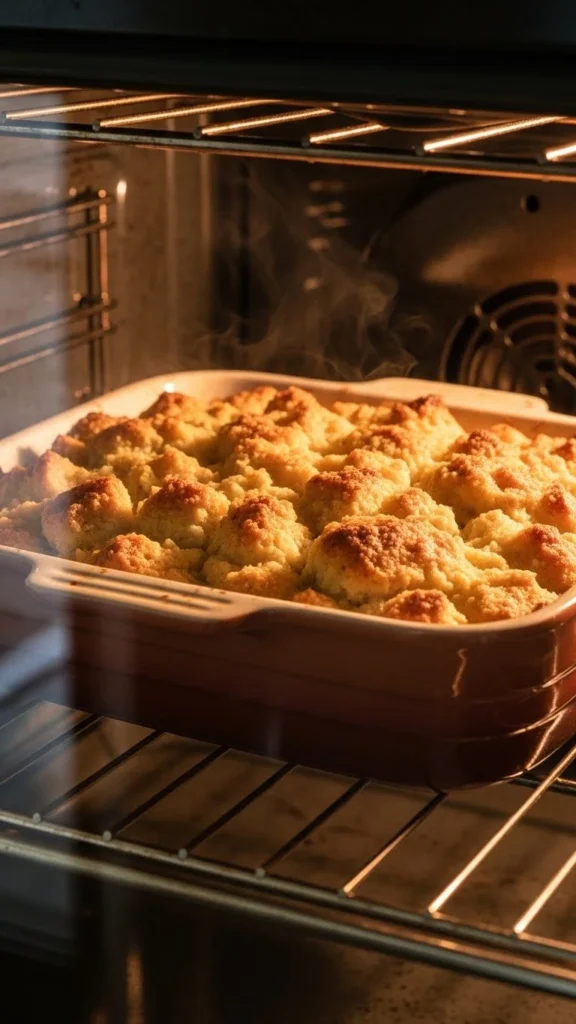
If the top browns too quickly, cover again loosely.
Easy Ways to Make It Feel Extra Special
Small touches can elevate stuffing instantly.
Try:
- Toasted nuts for crunch
- Dried cranberries or apricots for sweetness
- Lemon zest for freshness
- Parmesan sprinkled on top before baking
You don’t need all of these. One thoughtful addition is enough to make it feel festive.
Make-Ahead Tips for Stress-Free Cooking
Stuffing is perfect for advance prep.
You can:
- Prepare the mixture a day ahead
- Cover and refrigerate
- Bake fresh when needed
If baking from cold, add 5–10 minutes to the cooking time.
Leftovers reheat well and often taste even better the next day.
Serving and Storage
Serve stuffing warm, straight from the dish. It pairs well with:
- Roast vegetables
- Potatoes
- Gravy
- Simple green salads
Store leftovers in an airtight container in the fridge for up to three days.
Final Takeaway
Festive winter stuffing doesn’t need to be complicated. Good bread, gentle seasoning, fresh herbs, and careful baking are all it takes. Focus on texture, don’t rush the flavour base, and let the oven do the rest.
Save this recipe for later, and bring a little extra warmth and celebration to your winter table.

Hannah Collins is a passionate home cook and food storyteller who believes every recipe tells a little love story. At TastyWriter, she shares simple, delicious recipes made for real kitchens and busy days — from cozy comfort dishes to creative new favorites. When she’s not cooking, you’ll find her photographing food, testing family recipes, or sipping tea while dreaming up her next tasty idea.
Leave a Reply