

Cold weather has a way of making salads feel… disappointing. A bowl of cold greens just doesn’t cut it when you want something warm, cosy, and satisfying. But winter salads don’t have to be boring or leave you hungry an hour later.
Warm winter salads are all about heat, texture, and balance. Roasted vegetables, hearty grains, warm proteins, and rich dressings turn a salad into a proper meal.
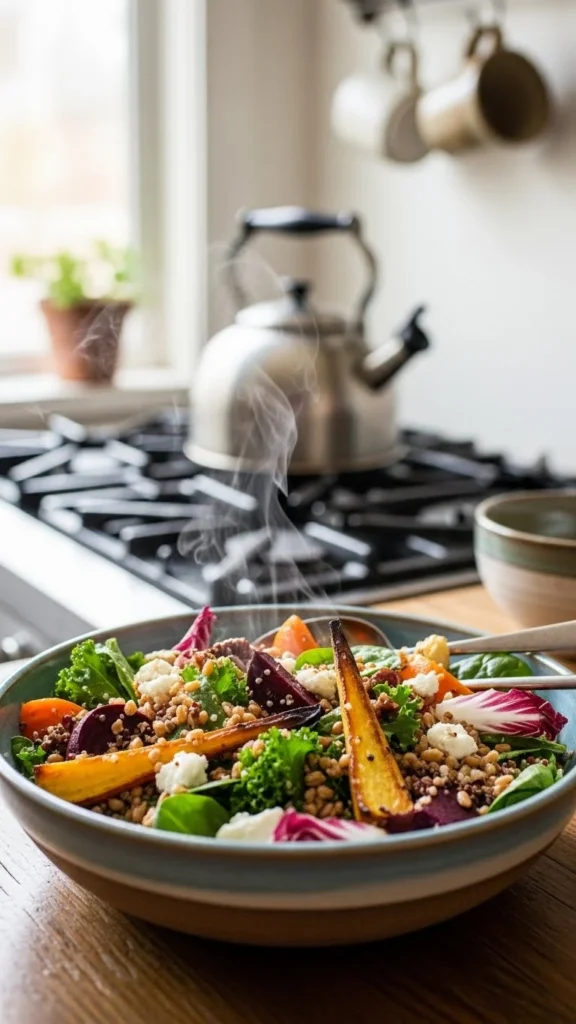
This guide will show you how to build warm winter salads that feel filling, comforting, and perfect for cold days.
What Makes a Winter Salad Feel Filling
A satisfying winter salad isn’t just about adding more food. It’s about choosing the right components.
A filling warm salad usually includes:
- Something warm (roasted or sautéed)
- A hearty base instead of only raw greens
- Protein or healthy fats
- A bold, comforting dressing
When these elements come together, the salad eats like a main meal, not a side.
Start With a Warm, Hearty Base
The base sets the tone for the whole bowl.
Instead of only cold lettuce, try:
- Roasted sweet potatoes or squash
- Warm grains like quinoa, farro, or barley
- Lentils or chickpeas, lightly sautéed
- Pan-wilted greens such as kale or spinach
You can still add fresh greens, but pairing them with something warm makes the salad far more satisfying.
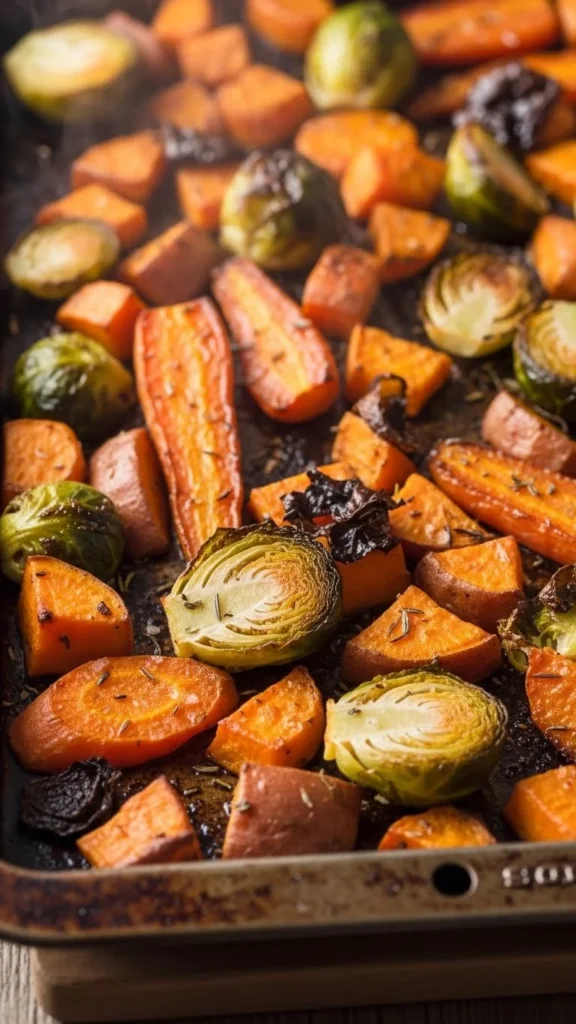
Tip: Toss roasted vegetables with olive oil and salt while they’re still hot. This boosts flavour instantly.
Add Protein That Brings Comfort
Protein is what turns a salad into a proper winter meal.
Great winter-friendly options include:
- Roasted chicken or turkey
- Pan-seared halloumi or tofu
- Soft-boiled or poached eggs
- Beans and lentils warmed with spices
Warm protein feels more filling than cold, even if the portion is the same.
If you’re keeping things plant-based, lentils and beans paired with grains create a complete, satisfying bowl.
Use Texture to Make It Feel Like a Meal
Texture is often what’s missing from salads that feel unsatisfying.
Aim for contrast:
- Soft: roasted vegetables, grains
- Crunchy: nuts, seeds, croutons
- Creamy: cheese, avocado, egg yolk
A little crunch goes a long way in making each bite interesting.

Toasted nuts taste richer and feel more indulgent in winter. Just a quick toast in a dry pan makes a difference.
Warm Dressings Make Everything Better
Cold vinaigrettes can feel harsh in winter. Warm or room-temperature dressings change everything.
Try dressings with:
- Olive oil gently warmed
- Dijon mustard
- Honey or maple syrup
- Balsamic or apple cider vinegar
You can even pour the dressing over the vegetables while they’re still warm. It absorbs better and adds comfort.
Simple warm dressing idea:
- Olive oil
- Splash of balsamic
- Pinch of salt and pepper
- Optional spoon of mustard
Heat gently, don’t boil.
Build the Salad While Ingredients Are Still Warm
Timing matters more than you think.
To build a warm winter salad:
- Roast or cook your warm elements first
- Prep cold elements while they cook
- Assemble while grains and vegetables are still warm
- Add greens last so they gently wilt
This keeps the salad warm without turning it soggy.
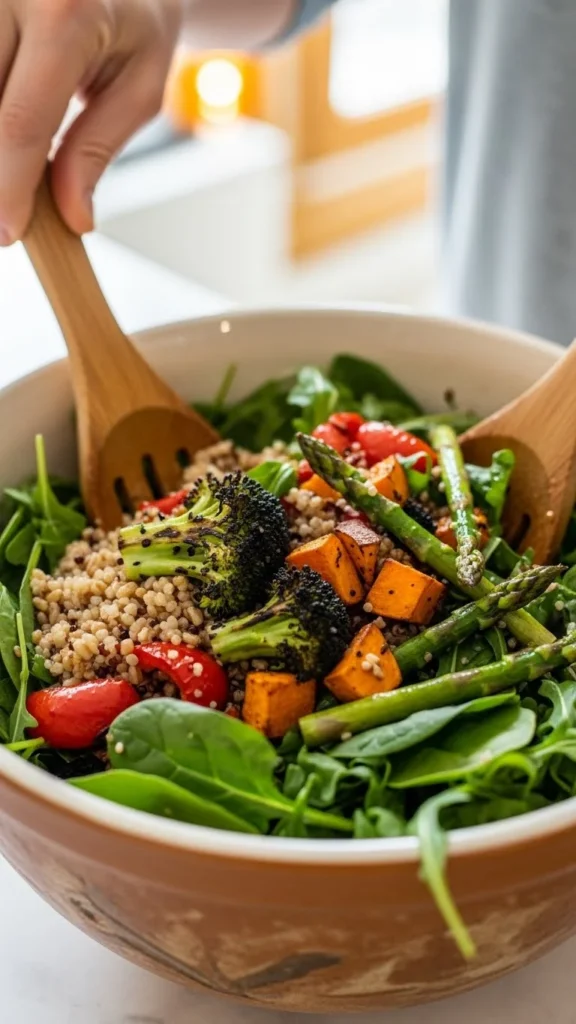
The heat slightly softens the greens, making them easier to eat and more comforting.
Winter Salad Combinations That Always Work
If you want easy inspiration, these combinations are hard to beat:
- Roasted pumpkin, lentils, feta, and spinach
- Warm quinoa, chicken, roasted broccoli, and tahini dressing
- Sweet potato, black beans, avocado, and lime dressing
- Farro, mushrooms, kale, and a soft egg
Once you get the formula right, you can mix and match endlessly.
Make It Feel Cosy, Not Diet-Like
Winter salads should feel nourishing, not restrictive.
Don’t be afraid of:
- Olive oil
- Cheese in moderation
- Warm bread on the side
A salad that feels like a “treat” is one you’ll actually enjoy eating.
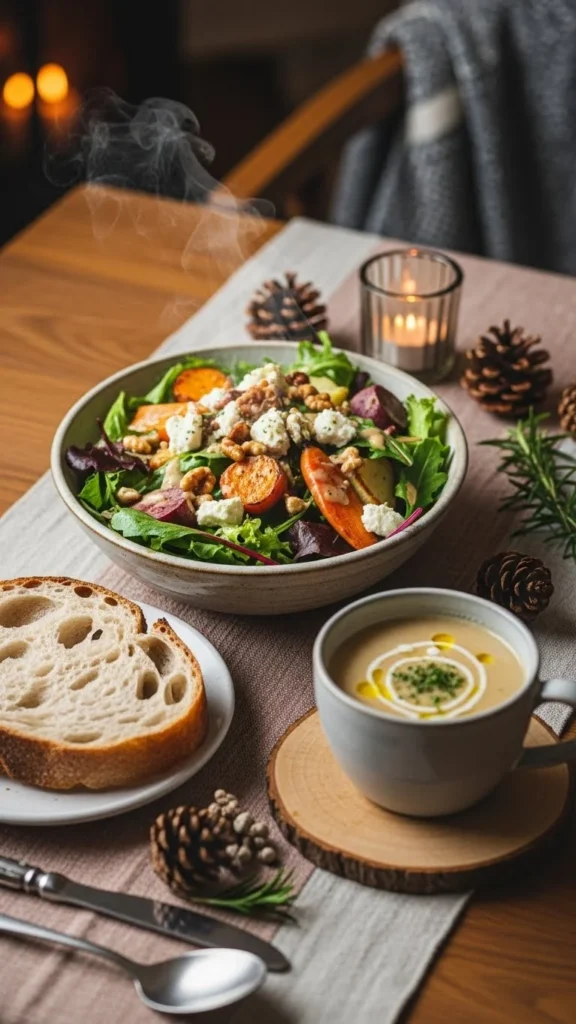
When it looks comforting, it feels comforting.
Final Takeaway
Warm winter salads work because they respect the season. Heat, texture, and richness turn simple ingredients into something filling and satisfying.
Roast your vegetables. Use grains. Add protein. Finish with a warm dressing. That’s it.
Save this for later, and turn your winter salads into meals you actually look forward to.

Hannah Collins is a passionate home cook and food storyteller who believes every recipe tells a little love story. At TastyWriter, she shares simple, delicious recipes made for real kitchens and busy days — from cozy comfort dishes to creative new favorites. When she’s not cooking, you’ll find her photographing food, testing family recipes, or sipping tea while dreaming up her next tasty idea.
Leave a Reply