

Roasted vegetables have a way of turning simple ingredients into something unforgettable. The edges crisp. The centers soften. Natural sugars caramelize. Suddenly, carrots taste sweeter, broccoli tastes richer, and even humble potatoes feel indulgent.
The secret? It’s not just about putting vegetables in the oven. It’s about using the right temperature, spacing, and seasoning so every bite delivers deep, golden flavor.
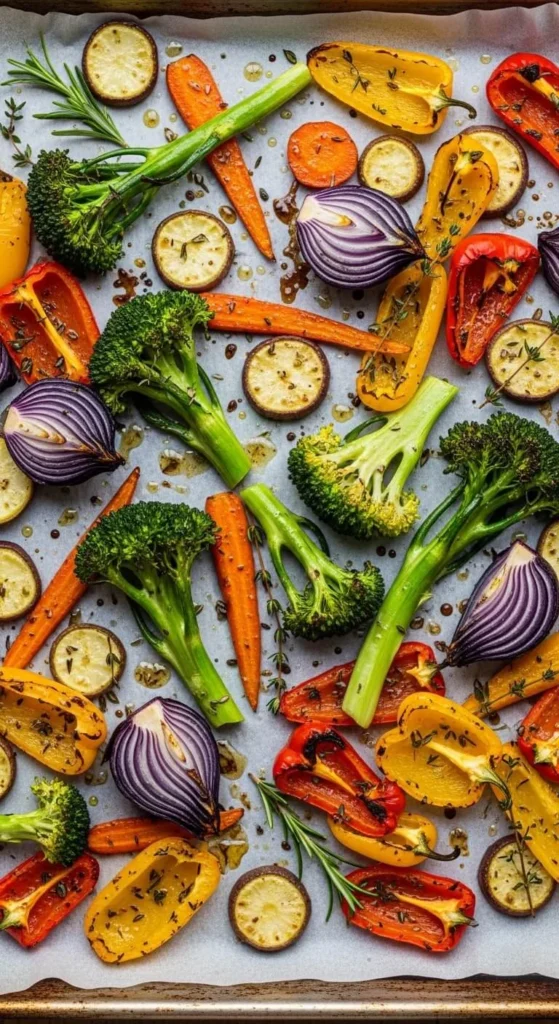
Once you understand the simple techniques below, you’ll never settle for bland or soggy vegetables again.
Choose the Right Vegetables for Roasting
Almost any vegetable can be roasted, but some perform exceptionally well because they caramelize beautifully.
Best vegetables for roasting:
- Carrots
- Broccoli
- Cauliflower
- Potatoes
- Sweet potatoes
- Bell peppers
- Zucchini
- Brussels sprouts
- Red onions
These vegetables develop crispy edges and deep flavor when exposed to high heat.
Pro tip: Mix different colors and types for a more exciting tray. The variety adds both flavor and visual appeal.
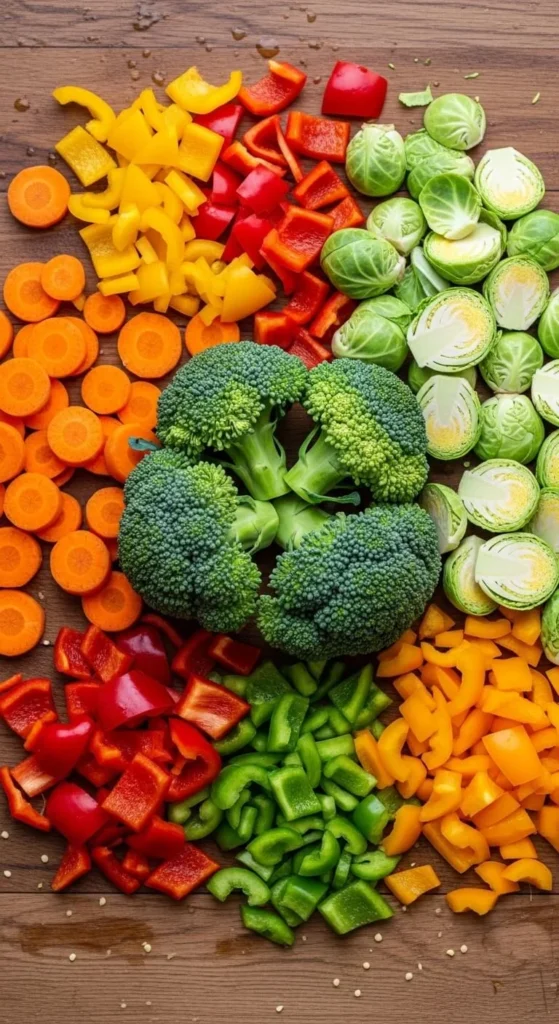
Cut Vegetables Evenly for Perfect Cooking
Size matters more than you think. Uneven pieces cook unevenly. Small pieces burn while larger ones stay undercooked.
Follow this simple rule:
- Hard vegetables (carrots, potatoes): cut into smaller pieces
- Soft vegetables (zucchini, peppers): cut into slightly larger pieces
This helps everything finish roasting at the same time.
Ideal size: About 1 to 1.5 inches per piece.
Uniform cutting ensures consistent texture across the tray.
Use Enough Oil — But Not Too Much
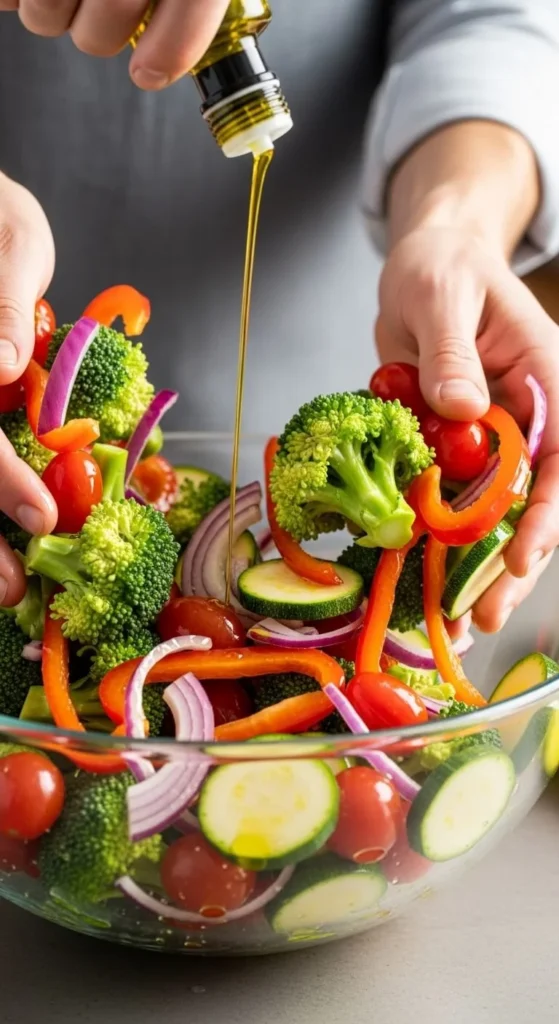
Oil helps vegetables brown and crisp. Too little oil leads to dry vegetables. Too much makes them soggy.
Perfect balance:
- Use 1 to 2 tablespoons of oil per baking sheet
- Toss vegetables until lightly coated
- Every piece should have a thin shine, not be dripping
Best oils for roasting:
- Olive oil
- Avocado oil
- Grapeseed oil
These oils handle high heat well and enhance flavor.
Roast at High Heat for Maximum Flavor
High heat is the most important factor in roasting vegetables properly.
Best temperature:
220°C (425°F)
This temperature allows vegetables to:
- Caramelize properly
- Develop crispy edges
- Stay tender inside
Lower temperatures cause steaming instead of roasting.
Always preheat your oven fully before adding vegetables.
Give Vegetables Space on the Tray
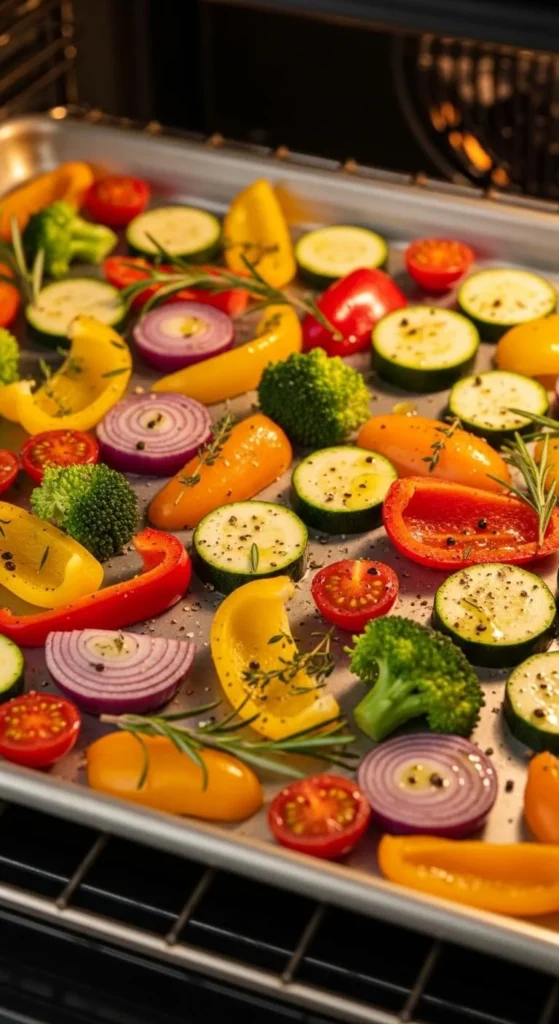
Crowding is the most common mistake people make.
When vegetables are too close together, they trap moisture and steam instead of roast.
Follow this rule:
- Spread vegetables in a single layer
- Leave small gaps between pieces
- Use two trays if needed
Space allows heat to circulate and create that golden finish.
Don’t Stir Too Often
It’s tempting to stir constantly, but leaving vegetables alone helps them brown better.
Best method:
- Roast for 15 minutes
- Stir once
- Continue roasting for another 10–20 minutes
This gives enough time for caramelization.
Too much stirring interrupts browning.
Season at the Right Time
Salt and seasoning enhance flavor dramatically.
Basic seasoning that always works:
- Salt
- Black pepper
- Garlic powder
Flavor upgrades you can try:
- Paprika
- Italian herbs
- Chili flakes
- Rosemary
- Thyme
Add delicate herbs after roasting to preserve their aroma.
Know When Vegetables Are Done
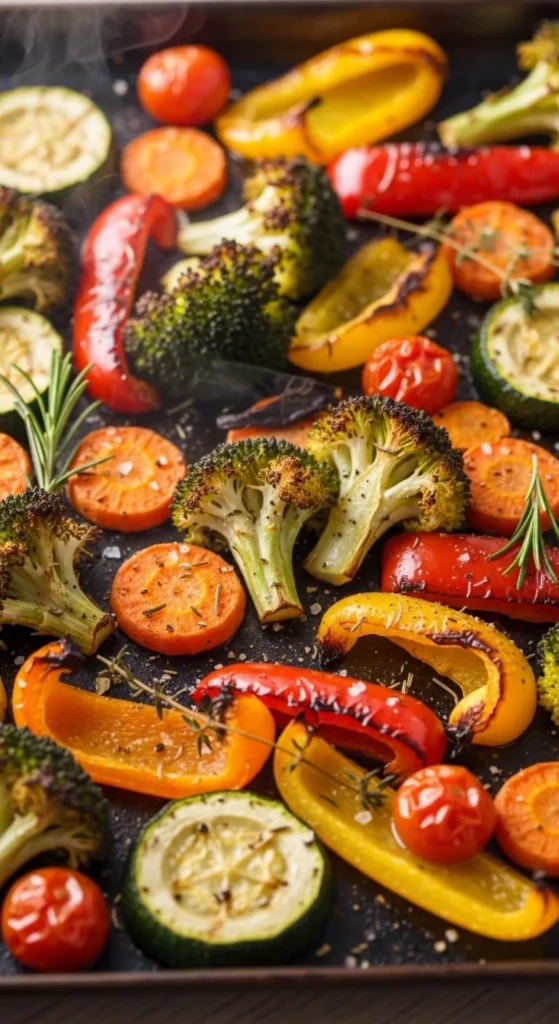
Perfectly roasted vegetables show clear visual signs.
Look for:
- Golden brown edges
- Slight crispness
- Tender centers
You should be able to pierce them easily with a fork.
The smell will also change. It becomes richer and slightly sweet.
Flavor Boosters to Make Them Even Better
Once you master basic roasting, small additions can elevate flavor further.
Try adding after roasting:
- Fresh lemon juice
- Grated parmesan cheese
- Balsamic glaze
- Fresh herbs
- Chili oil
These additions bring brightness and depth.
Even simple vegetables feel restaurant-quality with these finishing touches.
Common Mistakes to Avoid
Avoid these mistakes to get perfect results every time:
- Using low oven temperature
- Overcrowding the tray
- Using too much oil
- Cutting uneven pieces
- Not preheating the oven
Small corrections make a huge difference.
Simple Roasted Vegetable Formula to Remember
Use this easy formula every time:
- Cut evenly
- Light oil coating
- High heat (220°C / 425°F)
- Single layer spacing
- Roast until golden
That’s it.
Once you follow this system, roasting becomes effortless.
Final Thoughts
Roasting vegetables is one of the easiest ways to transform everyday ingredients into something deeply flavorful. With the right heat, spacing, and seasoning, vegetables become crispy, caramelized, and incredibly satisfying.
You don’t need complicated recipes. Just simple techniques done correctly.
Start with your favorite vegetables today and experiment with different combinations and seasonings.
Save this guide and try it the next time you cook. Once you taste perfectly roasted vegetables, there’s no going back.
Hannah Collins is a passionate home cook and food storyteller who believes every recipe tells a little love story. At TastyWriter, she shares simple, delicious recipes made for real kitchens and busy days — from cozy comfort dishes to creative new favorites. When she’s not cooking, you’ll find her photographing food, testing family recipes, or sipping tea while dreaming up her next tasty idea.
Leave a Reply