

If you’ve ever wondered how chocolatiers get that flawless snap and glossy sheen on their creations, here’s the secret: tempering chocolate. Tempering is the process that gives chocolate its professional finish — smooth, shiny, and crisp without any dull streaks or white spots (known as bloom). The best part? You can master it at home with just a thermometer and a little patience.
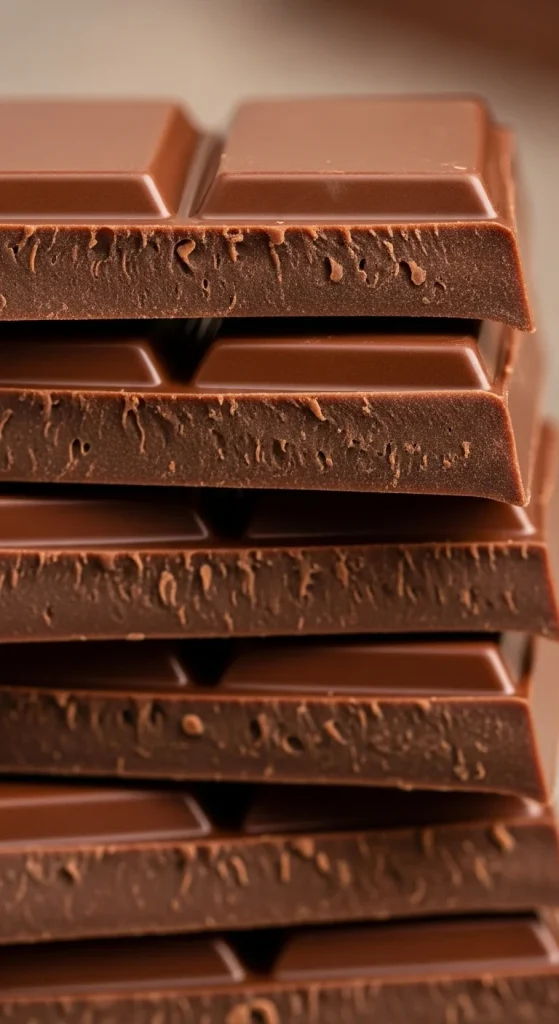
Step 1: Understand What Tempering Is — and Why It Matters
Tempering chocolate isn’t just about looks. It’s about structure.
When chocolate melts and then cools, its cocoa butter crystals rearrange. Without tempering, they form unevenly, leaving the chocolate soft, streaky, or crumbly. Tempering ensures the cocoa butter crystallizes in a stable form — giving you that ideal glossy finish and signature snap.
Why temper chocolate:
- Shiny, professional-looking finish
- Firm texture with a clean “snap” when broken
- Doesn’t melt too quickly in your hands
- Keeps chocolate-coated treats stable at room temperature
Tempering might sound fancy, but once you understand the process, it’s easy — science meets sweetness.
Step 2: Choose the Right Chocolate
Not all chocolate is created equal. Start with high-quality couverture chocolate — it has a higher percentage of cocoa butter, which makes it perfect for tempering.
What to look for:
- Real chocolate only — check the label for cocoa butter, not vegetable oils.
- Dark chocolate: 70% or higher cocoa content.
- Milk or white chocolate: Lower melting points, so be extra careful with temperature.
Pro tip: Avoid chocolate chips. They contain stabilizers that prevent them from melting smoothly. Use baking bars or couverture discs instead.

Step 3: The Seeding Method (Easiest & Foolproof)
The seeding method is beginner-friendly and reliable. It involves melting most of the chocolate, then “seeding” it with unmelted pieces to bring the temperature down gradually.
You’ll need:
- 16 oz (450 g) high-quality chocolate, chopped finely
- A heatproof bowl
- A saucepan with a few inches of water
- A rubber spatula
- A digital thermometer (accuracy is key!)
Step 1: Melt the Chocolate
- Place two-thirds of the chocolate in a heatproof bowl.
- Set the bowl over (not in) a pot of simmering water — this is your double boiler setup.
- Stir gently until smooth and fully melted.
Target temperatures:
- Dark chocolate: 115°F–120°F (46°C–49°C)
- Milk chocolate: 110°F (43°C)
- White chocolate: 105°F (40°C)
Pro tip: Keep the bowl’s bottom dry — even a drop of water can seize your chocolate and ruin the texture.

Step 2: Cool the Chocolate
Now, take the bowl off the heat. Add in the remaining one-third of the chopped chocolate (your “seed”) and stir constantly.
This helps the cocoa butter form stable crystals as the temperature drops.
Cooling temperatures:
- Dark chocolate: 82°F–84°F (28°C–29°C)
- Milk chocolate: 80°F (27°C)
- White chocolate: 78°F (26°C)
Keep stirring gently until the chocolate thickens slightly and you see a silky shine forming.
Pro tip: If the chocolate cools too much and becomes too thick, gently reheat it over the warm water for 5–10 seconds at a time.
Step 3: Reheat to Working Temperature
Now, reheat the chocolate slightly to bring it back to its working temperature — the perfect range for dipping or molding.
Working temperatures:
- Dark chocolate: 88°F–90°F (31°C–32°C)
- Milk chocolate: 86°F–88°F (30°C–31°C)
- White chocolate: 82°F–84°F (28°C–29°C)
Your chocolate is now perfectly tempered — smooth, glossy, and ready for action.
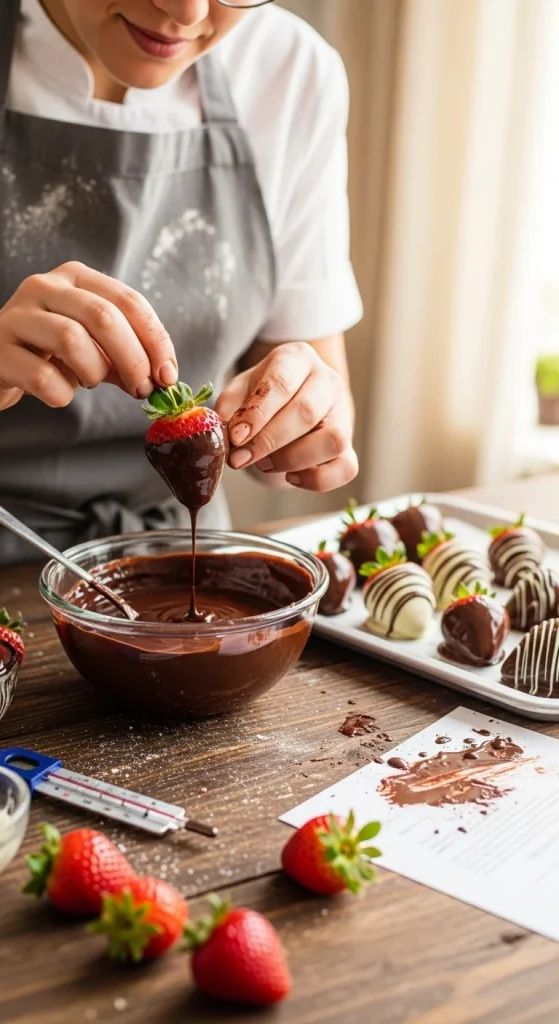
Step 4: Test Before You Use
Before you start coating or molding, do a quick test to confirm the chocolate is tempered.
The test:
- Dip a butter knife or spoon into the chocolate.
- Let it sit at room temperature for a few minutes.
- If it sets quickly with a shiny, streak-free surface, it’s perfect.
- If it’s dull or streaky, reheat slightly and stir until it stabilizes again.
Pro tip: Always work quickly and maintain your chocolate’s working temperature. If it cools too much, you can rewarm it gently to stay within range.
Step 5: Use & Store Like a Pro
Tempered chocolate is ready to use for:
- Dipping fruit, cookies, or truffles
- Making chocolate bars or decorations
- Coating candies or pretzels
When done, store leftover tempered chocolate in an airtight container in a cool, dry place (not the fridge!). It’ll hold its temper and can be remelted gently when needed.
Pro tip: Avoid refrigeration unless absolutely necessary — humidity can cause bloom and dullness.

Step 6: Troubleshooting — When Things Go Wrong
Even pros occasionally run into issues with chocolate. Here’s how to fix the most common ones:
- Chocolate seized (grainy or thick): You accidentally got water in it. Add a teaspoon of vegetable oil or cocoa butter and stir gently.
- Bloom (white streaks or spots): Chocolate wasn’t properly tempered or cooled. Remelt and temper again.
- Dull finish: The temperature was too high or too low. Double-check your thermometer next time.
Pro tip: Always be patient. Tempering is about control, not speed — rushing leads to dull, clumpy chocolate.
The Final Shine
Tempering chocolate might sound technical, but once you’ve done it once or twice, it becomes second nature. It’s one of those small kitchen skills that instantly makes your desserts look — and taste — professional.
So grab your thermometer, melt that chocolate, and get ready for glossy, shiny perfection that snaps like a dream.

Hannah Collins is a passionate home cook and food storyteller who believes every recipe tells a little love story. At TastyWriter, she shares simple, delicious recipes made for real kitchens and busy days — from cozy comfort dishes to creative new favorites. When she’s not cooking, you’ll find her photographing food, testing family recipes, or sipping tea while dreaming up her next tasty idea.
Leave a Reply