

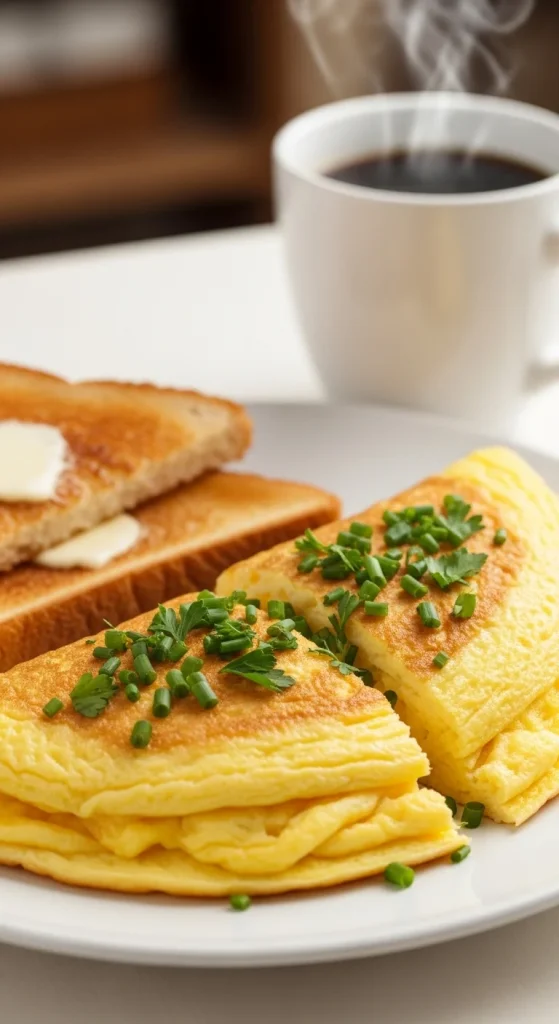
A perfectly cooked omelette is one of those kitchen skills that feels simple — until you try it. Too runny, and it falls apart. Too firm, and it loses that soft, silky texture you get at your favorite café. But once you master the technique, an omelette becomes your go-to breakfast (or dinner!) that feels gourmet yet effortless.
Step 1: Gather Your Ingredients
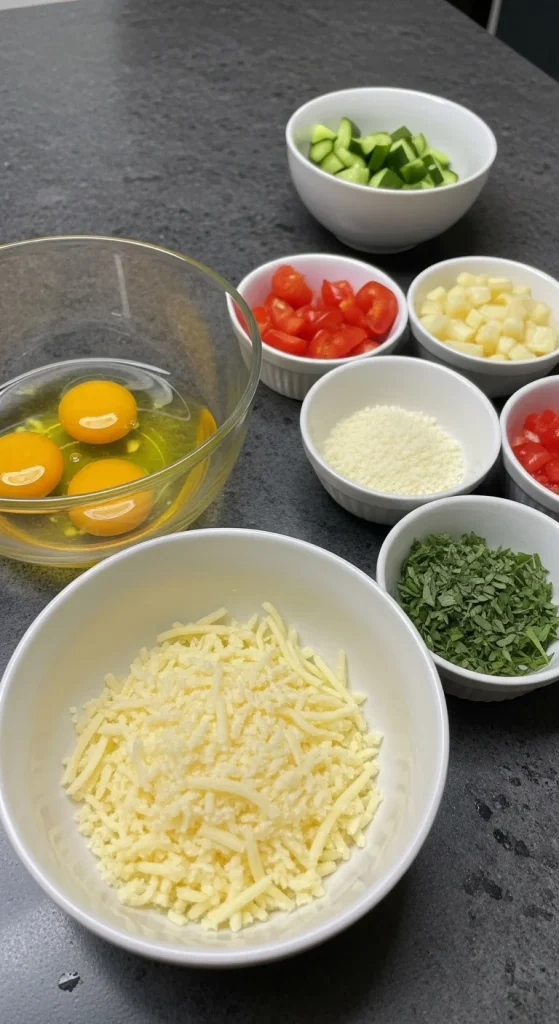
The beauty of an omelette is its simplicity — eggs, butter, and a pinch of salt. From there, you can add your favorite fillings.
You’ll need:
- 2–3 large eggs
- 1 tablespoon butter (or olive oil)
- Salt and pepper to taste
- Optional fillings:
- Cheese (cheddar, Swiss, feta, goat cheese)
- Vegetables (spinach, bell peppers, mushrooms, onions)
- Meats (ham, bacon, smoked salmon)
- Fresh herbs (chives, parsley, dill)
- Cheese (cheddar, Swiss, feta, goat cheese)
Pro tip: Keep your fillings light — too much can make your omelette break when folding.
Step 2: Beat the Eggs (The Secret to Fluffiness)
A good omelette starts with well-beaten eggs. This step determines whether your omelette will be dense or cloud-like.
How to do it:
- Crack the eggs into a bowl.
- Add a pinch of salt and pepper.
- Whisk vigorously for 20–30 seconds until the mixture is smooth and slightly frothy.
Pro tip: Add a splash (1 tablespoon) of milk or water if you like your omelette extra soft and airy — it adds steam as it cooks.
Step 3: Preheat the Pan — Low & Steady Wins
The right temperature is everything. Heat too high, and you’ll brown or burn your eggs before they set.
- Place a non-stick skillet over medium-low heat.
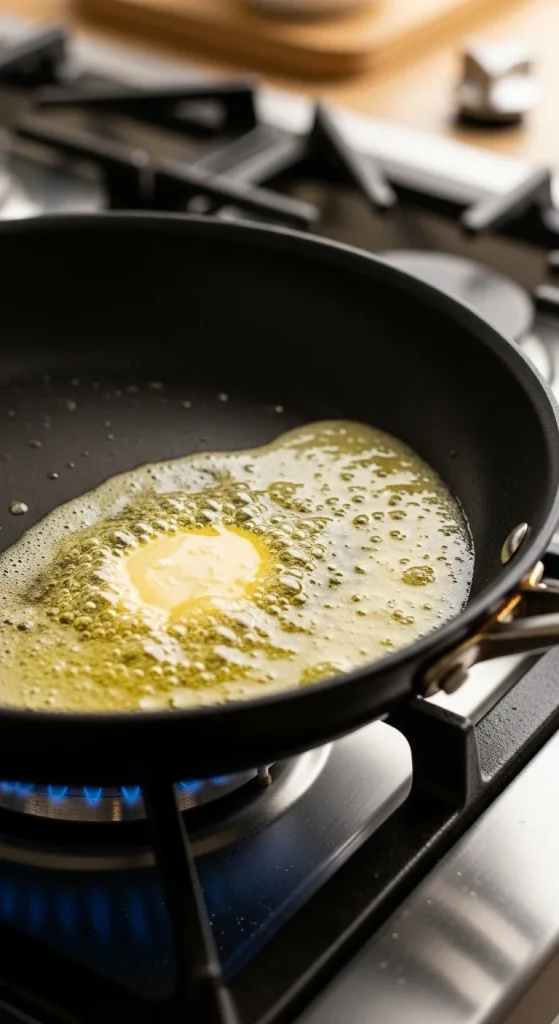
- Add the butter and let it melt gently, swirling the pan so it coats the surface evenly.
- When the butter starts to foam but not brown, it’s ready.
Pro tip: Use an 8-inch pan for a 2–3 egg omelette — it gives the perfect thickness.
Step 4: Cook the Eggs Gently
This is the step that transforms an average omelette into a silky masterpiece.
- Pour in the beaten eggs and tilt the pan to spread them evenly.
- As the edges start to set, use a rubber spatula to gently push the cooked eggs toward the center, letting the uncooked mixture flow to the sides.
- Repeat this for 1–2 minutes until the top is just slightly wet — not runny, but still glossy.
Pro tip: Don’t rush it. Cooking on low heat ensures a tender, fluffy texture rather than a dry, rubbery one.
Step 5: Add Fillings & Fold Like a Pro
Once your eggs are mostly set, it’s time to add your fillings.
- Sprinkle cheese or other toppings over one half of the omelette.
- Use your spatula to gently fold the other half over the fillings.
- Let it cook another 30 seconds to melt the cheese inside.
For a fancier finish, you can fold it in thirds (like a letter) instead of half for a classic French look.
Pro tip: Slide it out of the pan onto a plate — don’t flip it! That keeps your omelette fluffy and intact.

Step 6: Garnish & Serve Like a Chef
A few finishing touches can make your omelette feel restaurant-quality.
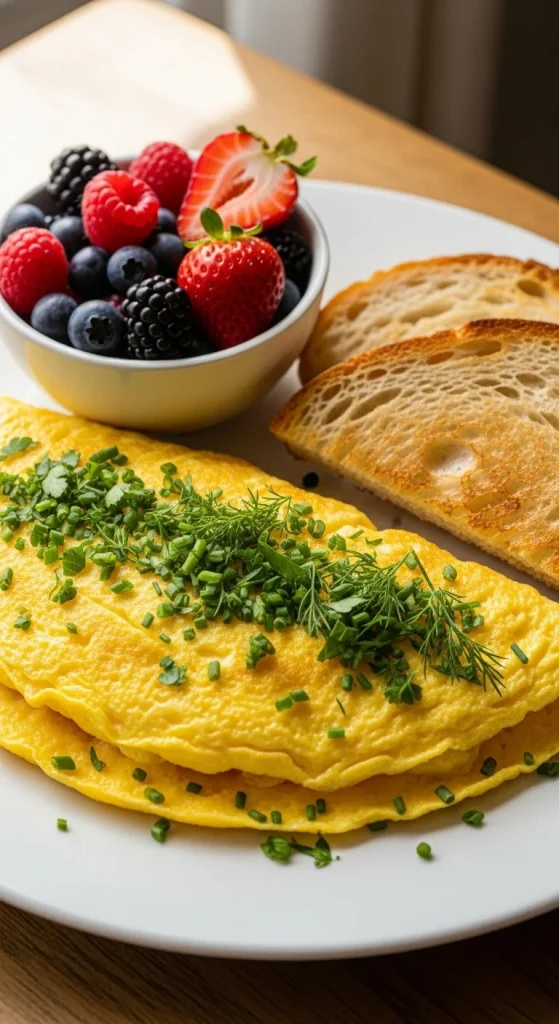
- Add a sprinkle of fresh herbs for color and aroma.
- Serve with buttered toast, avocado slices, or hash browns.
- For a touch of luxury, drizzle with truffle oil or a few flakes of sea salt.
Pro tip: Want that smooth, glossy surface? Wipe your spatula clean before folding to avoid smearing.
Step 7: Flavor Variations to Try
Once you’ve mastered the basic omelette, you can have endless fun with flavor combinations.
Classic Combos:
- Cheese & Chive: Simple and elegant.
- Ham & Swiss: A café favorite.
- Spinach & Feta: Bright and tangy.
- Mushroom & Gruyère: Earthy and rich.
- Smoked Salmon & Dill: Perfect for brunch.
Want to go international?
- Spanish-style: Add potatoes and onions for a tortilla feel.
- Japanese-style: Roll thin layers for tamagoyaki.
- Indian-style: Add turmeric, chili, and onions for a spicy kick.
Pro tip: Always cook veggies first — excess water can make your omelette soggy.
Step 8: Troubleshooting Tips
Even pros mess up occasionally! Here’s how to fix the most common omelette mistakes:
- It’s brown or dry: The heat was too high. Lower the temperature next time.
- It broke while folding: Too many fillings or you folded too soon.
- It stuck to the pan: Always use a non-stick skillet and enough butter or oil.
- It’s rubbery: You overcooked it. Pull it off the heat just before it’s fully set — it keeps cooking from residual heat.
The Final Fold
A perfectly cooked omelette isn’t just breakfast — it’s comfort food, a confidence booster, and a blank canvas for creativity. Once you’ve mastered the technique, you can whip one up anytime with whatever ingredients you have on hand.
So grab your whisk, heat that pan, and give yourself a reason to say, “I made that!”

Hannah Collins is a passionate home cook and food storyteller who believes every recipe tells a little love story. At TastyWriter, she shares simple, delicious recipes made for real kitchens and busy days — from cozy comfort dishes to creative new favorites. When she’s not cooking, you’ll find her photographing food, testing family recipes, or sipping tea while dreaming up her next tasty idea.
Leave a Reply